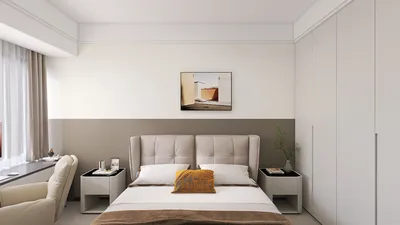


As we look towards the future, I’m increasingly aware of the limitations in our current living spaces: fragmented storage, inefficient circulation, and a lack of privacy amidst connectedness. According to AIA's recent report on residential trends, there's a continual interest in flexible, multi-purpose areas, even as home sizes remain stable. This observation resonates with the approach my clients take towards designing a three-bedroom manufactured home floor plan that emphasizes compact design, high efficiency, and minimal issues. I often perceive these homes as early prototypes for a family operating system, and I adjust my designs with effective spatial strategies deeply integrated into the layout.
Central Spine + Split Quarters
Design Principle: A core living and kitchen area serves as the central hub of the layout, with the master suite on one end and two additional bedrooms on the opposite side. This design anticipates a near future in which households seamlessly shift between solitary focus and social interactions without disruption.
Flow: The entry transitions into a drop zone, leading to a kitchen hub, then to a living node, with pathways branching off to the kids' or guest rooms; the primary suite operates independently, providing peace and quiet for focused activities.
Sightlines: From the kitchen, diagonal perspectives connect the dining area, sofa, and patio, with strategically placed bedroom doors enhancing privacy without compromising open feeling.
Storage: A full-height pantry serves as an L2 cache, drawers beneath beds function as L1 storage, and shared hall linen closets act as a collective buffer, while an exterior locker accommodates seasonal items.
Furniture Configuration: A couch ranging from 84 to 96 inches, a 42-inch round dining table, a queen bed in the master, and flexible twin/queen options in secondary rooms; corridors are kept at 36 inches wide to ensure ease of movement.
Conclusion: This layout supports varied schedules—offering tranquility when necessary and social settings when desired, thoroughly prepared for remote work and accommodating growing families.
save pin
Courtyard Slot + Perimeter Rooms
Design Principle: A slim light channel—resembling an internal bus—illuminates the interior deeply, with rooms arranged around the perimeter. This layout is a response to fluctuating climate and energy efficiency demands.
Flow: The entry leads to a gallery hall (light slot), progressing to a living node and courtyard entrance, while bedrooms extend outward like subroutines, with each featuring a specific return path.
Sightlines: An extended view from the entryway to the garden creates a seamless experience; cross-views are designed to protect bedroom privacy while ensuring a clear hierarchy of spaces: public, semi-public, private.
Storage: Wardrobes located on the perimeter function as distributed storage units, while a communal wall houses laundry areas, cleaning stations, and bulk storage solutions.
Furniture Configuration: Low-profile, modular seating maximizes the vista, a 60-inch island on wheels facilitates flexibility, and wall-mounted desks save floor space.
Conclusion: For families that prioritize natural light, this design transforms a modest space into a visually expansive and tranquil environment suitable for daily life.
save pin
Flex Suite + Pocket Office
Design Principle: One of the secondary bedrooms can be converted into a flex suite paired with a pocket office, responding to the needs of hybrid work and multi-generational living without conflict.
Flow: The side entry leads into a mudroom, transitioning to the kitchen core, followed by a sliding partition that separates the flex suite; the office conveniently tucks behind an acoustic panel for added privacy.
Sightlines: The design is layered rather than overwhelming—sliders delineate activity zones while keeping workspaces and bedrooms discreet from public view.
Storage: Vertical storage towers serve as efficient archives, with shallow closets housing items like routers and printers, plus laundry areas acting as additional buffer zones.
Furniture Configuration: Options include a Murphy queen bed or a daybed, accompanied by a 48-inch desk; the primary suite comfortably fits a king-size bed with 24-inch nightstands, and dining accommodates a 72x36 table adaptable for various tasks.
Conclusion: This design offers a flexible solution for families whose weekly routines vary—a quiet, adaptable space with minimal latency.
save pin
Final Thoughts
A three-bedroom manufactured home floor plan has the potential to be more than a mere structure; it symbolizes an operating system where elements like light, storage, and flow are designed to accommodate future needs. With attentive attention to sightlines, strategic storage, and specific furniture selection—much like using a tool like Homestyler—the layout can evolve into a robust interface for family living. My experience reveals that the most intelligent homes of the future won't necessarily be larger; instead, they will be more deliberate, showcasing how thoughtful spatial choices can significantly alter the way people live.
Homestyler's roots trace back to Autodesk, the global leader in design and engineering software. That heritage lives on in every feature we build. Today, with a community of more than 18 million users worldwide, Homestyler continues to make professional-quality interior design accessible to everyone — from first-time decorators to seasoned architects.

Minimalist Solid Wood Linen Fabric Extra Long Sofa 3D Model
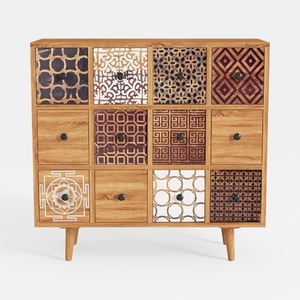
Bohemian Solid Wood Multidrawer Accent Cabinet With Patterned Fronts 3D Model

Minimalist Solid Oak Fluted TV Stand with Black Metal Legs 3D Model
Discover your inner designer with Homestyler! This user-friendly online platform offers a powerful design tool, stunning 3D renderings, and a treasure trove of DIY video tutorials. Whether you're tackling a small project or a complete home makeover, Homestyler makes envisioning your dream space easier than ever.
تصميم الآن مجانا
































