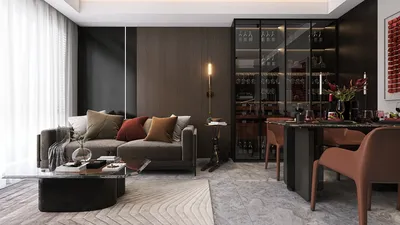


The future lifestyle is characterized by a continuous compression of time while intentions expand; common modern issues include chaotic circulation and insufficient storage that hinder our mornings and clutter our evenings. Recent reports from AIA and NAHB indicate a rising demand for flexible living spaces and integrated storage solutions in mid-sized apartments. I have been exploring optimal floor plans for 1500 sq ft apartments as a foundational approach to fostering tranquil and upgradeable living—signs of a forward-thinking design landscape are already emerging. This is akin to utilizing a spatial reasoning toolkit that incorporates tools like Homestyler.
Split-Core Axis with Flex Den
Design Logic: A central spine design separates quiet areas from social spaces, with a flexible den that serves as an upgradeable space for work, guests, or wellness activities—ideal for accommodating hybrid lifestyles.
Flow: The entry leads to a storage vestibule, then to a kitchen hub, living area, flex den, and finally to the bedrooms; this clean execution minimizes cross-traffic and streamlines movement.
Sightlines: From the entrance, a long axis directs attention toward the window wall; secondary sightlines discreetly position private doors behind soft reveals, creating a user interface that transitions from public areas to private rooms.
Storage: Perimeter cabinetry functions as an organized cache with entry lockers, a pantry wall, a den closet, and deep linen storage—providing essential bandwidth for daily routines.
Furniture Fit: The sofa dimensions should range from 84 to 92 inches, the dining table should be 72 by 36 inches, and a 60-inch desk perfectly fits in the den; API constraints necessitate that circulation channels remain clear at widths of 36 to 42 inches.
Verdict: Even in five years, this plan remains viable—the den can adapt to various roles while the spine maintains consistency in daily rituals and minimizes latency.
save pin
Offset Great Room with Two Suites
Design Logic: The social core located away from the bedroom corridor facilitates parallel activities—enabling communal energy without disrupting sleep cycles, which is essential for multi-user households.
Flow: Entry leads to a spacious great room, followed by a balcony, corridor, primary suite, and secondary suite; this arrangement allows processes to run concurrently with minimal interruption.
Sightlines: A diagonal view from the kitchen island is directed to the glazing; corridor sightlines are shallow, carefully layering privacy similar to a gradual revelation.
Storage: The design includes dual-suite walk-in closets and a hallway storage cabinet for equipment, while kitchen base drawers are designed for fast retrieval.
Furniture Fit: An island measuring 9 feet accommodates four stools, sectional sofas maintain a footprint of 10 to 11 feet, and both queen and king beds allow for a clearance of 30 inches—making sure interfaces are proportionate to human scale.
Verdict: This layout is built with co-living in mind; it features two independent spaces supported by a resilient core, ensuring adaptability to variable schedules.
save pin
Perimeter Loop Kitchen and Gallery Hall
Design Logic: A circular kitchen design encircles the living space, while a gallery hall provides a continuous flow of light, artwork, and quieter activities—promoting an environment conducive to mindful living.
Flow: The entry transitions through a gallery, leading into a loop kitchen, a living area, a study niche, and onto the bedrooms; this circular layout minimizes retracing steps, enhancing efficiency.
Sightlines: The layered vistas extend from the gallery to the living space and terrace; the study niche is partially shielded, providing a secondary interface level for increased focus.
Storage: Wall-mounted cabinets, toe-kick drawers, a gallery credenza, and built-ins in the bedroom collectively create a distributed cache that is quick to access.
Furniture Fit: A round table measuring 54 inches complements the loop shape, compact lounge sets are included, and a built-in bench spans 72 inches; clear pathways maintain channel widths of 40 inches.
Verdict: Over time, this looping design easily accommodates new appliances and evolving habits without necessitating reconfiguration—it serves as an adaptable framework where components can be swapped seamlessly.
save pin
Final Takeaway
When I create optimal floor plans for 1500 sq ft apartments, I view rooms as interconnected systems rather than isolated units. Variations like two-bedroom suites, flex dens, and gallery halls offer long-term options that preserve future adaptability. The ideal plan reduces friction, enhances sightlines, and transforms storage into a reliable source for evolving lifestyles. Based on my experience, the future's most intelligent homes will not necessarily be larger but will instead be more deliberately designed, and tools like Homestyler can aid in making these designs a reality.
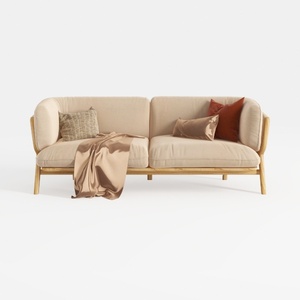

Tennozu Linen Fabric Loveseat Sofa, Convertible Fu

Yaheetech 56.5" W Modern Loveseat 2 Seater Sofa Lu
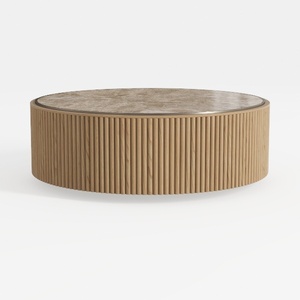
Round Coffee Table with Storage,Fluted Lift Up
Homestyler is your go-to online home design platform for creating stunning interiors effortlessly. With its user-friendly design tool, impressive 3D renderings, and a wealth of DIY video tutorials, you can easily transform your design ideas into reality. Get inspired and start designing today!
تصميم الآن مجانا
































