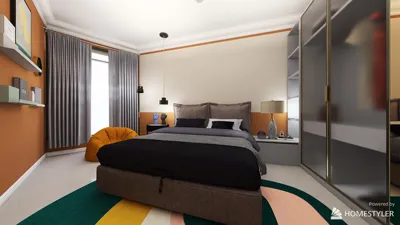


A café owner once approached me with a challenge: to fit a full commercial kitchen, a warm seating area, and a compact office into a 300 square foot space, while still leaving room for Instagram-worthy photos. I chuckled at the request, then quickly sketched three layouts that brought the vision to life. Working in small areas necessitates difficult choices, but such constraints can lead to creative solutions.
1. Emphasize a Versatile Front-of-House
For retail spaces or service desks, I advocate for modular fixtures on wheels and foldable counters, allowing the area to adapt throughout the day. The clear benefit is maximizing functionality within the same square footage, but the real challenge lies in selecting robust items that convey quality rather than cheapness.
save pin
2. Maximize Vertical Space Imaginatively
In restricted floor areas, I design shelving, hanging displays, and storage solutions that climb the walls, keeping the ground unobstructed and airy. This technique creates an illusion of height and promotes organization, but it's vital to consider accessibility and installation heights when implementing these designs.
save pin
3. Establish Micro Zones Using Lighting and Materials
Small businesses gain from having different activities recognized as separate areas: an accent wall, distinct flooring textures, or hanging light fixtures can achieve this without erecting physical barriers. This strategy is both cost-effective and adaptable; if testing a café layout, employing dedicated kitchen designs can enhance service flow effectively.
save pin
4. Focus on Sightlines and Traffic Flow
I always begin by sketching out the pathways for customers and staff — a well-defined route minimizes congestion and enhances the perceived space. The advantage includes smoother operations and satisfied patrons; however, it may occasionally mean sacrificing a display or an extra seat to maintain a clean flow.
save pin
5. Create Prototypes Using Scaled or Digital Models
Before finalizing a lease or purchasing fixtures, I often create a physical or 3D representation of the core layout, allowing clients to truly experience the space. It’s far more economical to adjust a digital wall than to dismantle installed cabinetry, and a quick 3D floor plan can quickly settle discussions quicker than face-to-face meetings.
save pin
Tips 1:
Budget Tip: When dealing with rental spaces, it's wise to invest in removable upgrades like plug-and-play shelving, portable partitions, and rental-grade lighting. Negotiating lease terms could also yield tenant improvement credits; always inquire with your landlord about this before signing any agreements.
save pin
FAQ
Q1: How much space should I rent for a small retail shop?
The ideal size depends on your product mix and anticipated foot traffic, but many independent stores typically start in the range of 300 to 800 square feet. It's crucial to prioritize storage and a clear customer path rather than just maximizing product density.
Q2: Am I allowed to make structural modifications in a rented space?
In most cases, minor non-structural changes can be made with the landlord's approval; however, more significant alterations typically require explicit consent and may need permitting. Always ensure that you document any approvals in writing.
Q3: How can I minimize initial costs when renting a small business space?
Utilizing modular fixtures, secondhand shelving, and temporary signage can help lower your upfront expenses. Phasing your investments after opening allows you to align cash flow with actual performance.
Q4: Is it necessary to hire a designer for a small rented space?
Engaging a designer can be cost-effective by helping you avoid expensive mistakes and optimizing every square foot of available space, particularly when every inch is critical. Even a brief consultation can lead to a functional and stylish layout.
Q5: What should I prioritize to ensure customer comfort in a compact area?
Focus on clear pathways, comfortable sightlines, appropriate spacing of seating, and controlling noise levels with soft materials. Effective lighting and organized displays contribute to making small spaces more inviting.
Q6: Which lease terms are most important for small business renters?
Essential terms include lease duration, renewal options, permitted use, allowances for tenant improvements, and subleasing rights. According to the U.S. Small Business Administration, negotiating flexible renewal terms and clearly defined permitted-use clauses is vital for growth and risk mitigation.
Q7: How quickly can I prepare a rented space for revenue generation?
With a well-thought-out plan and pre-selected modular fixtures, many small businesses can be ready within 2 to 6 weeks; food operations typically require more time for permits and setup. Start by establishing a minimum viable layout and adjust based on customer feedback soon after.
Q8: Are pop-up shops or short-term leases beneficial for testing new locations?
Absolutely—short-term rentals provide an opportunity to validate a location and concept with reduced risks, though they often come at higher monthly rates and limited customization options. Utilizing pop-up shops can help assess peak hours, customer flows, and product demand before committing to a long-term lease.
save pin
Homestyler is your ultimate online home design companion! With its easy-to-use design tool, stunning 3D renderings, and a plethora of inspiring design projects and video tutorials, you can effortlessly create your dream space. Perfect for both beginners and seasoned designers alike!
Desain sekarang Gratis
































