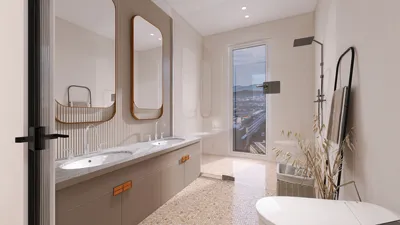


Throughout my career, I’ve designed countless small bedrooms, and one key element I always emphasize is the importance of a strategically placed twin bed. This arrangement often strikes an ideal balance between comfort and room flow. The objective is straightforward: ensure clear pathways, adjust storage to be easily reachable, and utilize light and color effectively to create an illusion of a larger space—something that can be easily visualized using Homestyler.
The perception of space influences not only aesthetics but also user dynamics. Maintaining clear walking routes of 28–32 inches tends to enhance comfort, aligning with human factors principles I follow on residential projects. Lighting requirements are equally essential. According to the IES, general ambient light in bedrooms should be about 150–300 lux, while task lighting in reading areas should be closer to 300–500 lux; these levels are crucial for minimizing eye strain and aiding relaxation. Additionally, color selection plays a role, with cool, lighter tones helping to create a sense of calm and visual openness, concepts I keep in mind during layout planning and when utilizing tools like Homestyler.
Optimal sleep quality hinges on the interplay of air, light, and acoustics. The WELL v2 framework outlines effective sleep support tactics focusing on glare management, suitable nighttime light levels, and acoustic comfort. In my experience, keeping nighttime lighting minimal (1–5 lux) in the sleep area while mitigating daytime glare results in a soothing and functional environment. When considering where to place the bed, it's vital to factor in sun trajectories and neighboring noise; a wall that offers tranquility and diffused sunlight usually provides the best conditions for rest.
Essential Layout Guidelines for Twin Beds in Small Bedrooms
A standard twin bed occupies a 38" x 75" space (or 38" x 80" for twin XL), allowing for excellent circulation while maximizing storage solutions. I always aim for at least 28" of clearance on the main access side and a minimum of 24" at the foot, especially if the door opens toward the bed. Positioning the headboard against the longest uninterrupted wall creates clear pathways and avoids awkward nooks that can accumulate clutter.
When faced with doors and windows, I often adjust the twin bed's position slightly off-center to maintain an unobstructed walking route between the door, dresser, and desk. For those considering various setups before making a purchase, using a room planning tool, such as Homestyler, allows for easy simulations of clearance, door swings, and sightlines.
Five Effective Configurations for Twin Beds
Place the twin bed snugly against one wall, ensuring 30" of clearance on the accessible side, and opt for a slim nightstand (12–16" wide). Position a low dresser (12–14" deep) on the opposite wall to maintain a 30" walking flow. To save table space, consider wall-mounted sconces with adjustable warm light (2700–3000K).
Positioning a twin daybed along the short wall beneath a window creates a cozy lounging area. Opt to use a low backrest to ensure that natural light isn't obstructed. It’s advisable to keep the seat height around 17–19" for ergonomic compatibility. Incorporating two bolster pillows allows for a seamless transition from day seating to night sleeping.
By pushing the twin bed into a corner, you can effectively open the floor area. Consider installing shallow overhead cabinets (11–13" deep) above the bed along with a ledge-style headboard for books and other nighttime essentials. Ensure there is at least 36" of head clearance to prevent a cramped feel; a swing-arm reading light can also help eliminate pillow glare.
Using a platform bed that incorporates two to four deep drawers eliminates the necessity for a bulky dresser. Aim for drawer depths of around 20–24"; soft-close mechanisms can minimize nighttime disturbances. The platform height should be around 18–20" for ease of sitting and standing.
Should you require more legroom, a twin XL bed paired with a 24–30" wide desk can be effectively positioned on the opposite wall. Maintaining a clearance of 30" in front of the desk is important, and it should not be directly behind the door. A clamp-on task lamp (providing 400–500 lux at the surface and 3500–4000K neutral-white light) can aid focus without overwhelming the space.
Circulation, Proportions, and Visual Harmony
Proportions are critical for comfort. A typical 9' x 10' room can fit a twin bed, one wardrobe or dresser, and a compact desk without feeling cluttered—provided you respect the 28–32" pathways. Position taller storage on the wall opposite the entry to create a sense of space and openness. Employ symmetry where it aids calmness (like two equal shelves over a headboard) and asymmetry to create a sense of freedom (using a single nightstand or offset artwork).
Lighting Levels: Lux, Color Temperature, and Glare Mitigation
Layer the lighting into three tiers: ambient lighting at 150–300 lux (2700–3000K), task lighting at 300–500 lux (3500–4000K), and accent lighting focusing at 100–200 lux on art or shelves. If your ceiling is lower, consider adding soft uplights or cove lights to visually elevate the space. Employing shades or diffusers can help manage point-source glare, and desk lighting should be positioned carefully to prevent reflections on screens.
Understanding Color Psychology and Materials
Utilizing lighter, cooler shades—such as soft blue-gray or pale sage—can create a sense of spaciousness. Pairing these with warm wood elements helps prevent the room from feeling sterile. Matte finishes on furniture can lessen reflections. If eco-friendliness is a priority, opt for low-VOC paints and FSC-certified wood; durable natural fiber rugs will also offer better sound absorption compared to flat synthetic alternatives.
Ensuring Acoustic Comfort in Compact Sleeping Areas
To reduce noise amplification from hard surfaces, adding a rug that covers at least 60% of the walking area, utilizing fabric curtains, and opting for a padded headboard can be beneficial. If the bed shares a wall with plumbing or a corridor, installing cork or felt panels behind the headboard can offset sound disturbances, while quiet hardware on drawers can prevent nighttime noises.
Smart Storage Solutions: Vertical, Shallow, and Efficient
Incorporate shallow storage units (12–14" deep) along long walls to avoid cramping. Use vertical spaces above 80" for seasonal items or items that are infrequently accessed. Under-bed bins should be designed for easy front access, labeled effectively, and limited to avoid clutter accumulation. Hooks behind doors can be handy for quick-grab items; a slim shoe drawer at the entry keeps things organized.
Understanding Behavioral Patterns and Nightly Habits
Establish a straightforward wind-down path: entry → nightstand → bed → blackout or dim-out shades. It's crucial to separate study and sleep environments: use neutral-white lighting at the desk and warm lighting by the bed to foster relaxation. Charging your phone away from the bed also encourages less late-night scrolling, promoting healthier sleep habits.
Workflow for Layout Planning
When tackling room design, I generally start with three considerations: bed wall, circulation routes, and storage solutions, prior to selecting decor. For those wishing to explore various layouts and door movements with ease, utilizing an interior layout planner like Homestyler is invaluable for visualizing space and testing lighting configurations digitally.
Checklist for Achieving Twin Bed Success in Small Bedrooms
FAQ
Aim for at least 28–32" along the primary access side, with a minimum of 24" at the foot. This arrangement promotes natural movement and limits collision points.
For taller individuals, a twin XL will indeed add 5" in length while keeping the width the same; it generally fits the same wall layout with slight modifications.
For comfort, aim for ambient lighting levels between 150–300 lux; for reading, target 300–500 lux. These guidelines are in accordance with established IES lighting practices.
Utilize 2700–3000K warm light near the bed for relaxation cues and 3500–4000K neutral-white at the desk for task-focused lighting.
Opt for diffused shades, indirect uplighting, matte finishes on key furnishings, and place task lamps strategically to minimize reflections on screens.
Maintain wall storage with a depth of 12–14". Combine shallower cabinets with under-bed drawers to avoid bulky dressers taking up unnecessary space.
To enhance sound control, opt for a large rug, fabric curtains, and a cushioned headboard. Installing cork or felt panels behind the bed can help if sharing a noisy wall.
Ensure the desk is positioned adjacent to or opposite the bed with approximately 30" of clearance in front and away from the door swing, using neutral-white task lighting to sustain focus without disturbing sleep areas.
Cooler, lighter shades are effective in visually expanding walls and instilling a sense of calm. It's beneficial to pair these with warm, natural textures to create balance.
Making use of a room design visualization tool can greatly aid in simulating door swings, clearances, and lighting setups before rearranging heavy furniture.
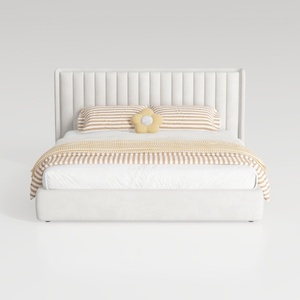
VELOCAVA King Size Lift-Up Storage Bed, Linen Ligh

Prepac Natural Oak Simply Modern Entryway Table

Water Hyacinth Round Floor Planter with Metal Pot
Homestyler is your go-to online home design platform, ideal for turning your ideas into reality. With an easy-to-use design tool, stunning 3D renderings, inspiring design projects, and helpful video tutorials, creating your dream home has never been easier or more enjoyable!
지금 무료로 디자인하세요
































