

When designing small bedrooms, my primary goal is to balance the scale of furnishings with optimal human comfort. Utilizing small bed pillows—whether they are 16x24-inch petites, 18-inch squares, or slender lumbar varieties—can create a visually appealing bed, enhance sleep posture, and contribute to a layered aesthetic without overwhelming the space. By ensuring that pillows are proportionate to the bed size and headboard height, the overall design exudes a sense of calm and purpose rather than clutter.
The foundation of sleep and posture remains crucial. The WELL v2 Sleep feature emphasizes the importance of respiratory and musculoskeletal support when choosing bedding. Lumbar pillows are particularly effective at encouraging neutral spinal alignment to provide gentle lower back support while reading in bed. Research from Steelcase has shown that varying posture enhances well-being during the day, and this principle applies to bedrooms as well: opting for slimmer pillows allows for easier transitions between reading, reclining, and side-sleeping without struggling against bulky stacks. I recommend adjusting pillow sizes according to the sleeper's preferred position—side-sleepers may benefit from slightly higher compact pillows for neck alignment, while back-sleepers generally favor flatter options.
Considering visual proportions is just as important as ergonomic factors. In smaller spaces, oversized pillow stacks can make the bed appear larger and consume the perceived area. I suggest keeping the number of decorative pillows minimal—usually two sleeping pillows plus one or two small accent pieces—to maintain a rhythm across the headboard. Color psychology also plays a significant role; according to Verywell Mind, shades of blue and green inspire calmness, while warm neutrals evoke a soothing and intimate atmosphere. I often layer cooler tones to promote tranquility, introducing a single warm-toned small pillow to add comfort without creating visual heaviness.
Selecting the Ideal Small Pillow Size
I begin by considering the mattress width and headboard height. For twin or full beds, I recommend starting with a pair of compact pillows (16x24 or 18x26), complemented by either a small square (18x18) or a lumbar pillow (12x20) for added texture. In queen-sized beds within compact rooms, using four oversized pillows tends to look overcrowded; I prefer two standard sleeping pillows alongside one petite accent to ensure there is breathing space between nightstands and lamps. The essential guideline is to keep the pillows not exceeding two-thirds of the headboard height, while leaving 6–8 inches of visible headboard on both ends to avoid a wall-to-wall effect.
Ergonomics: Loft, Firmness, and Preferred Sleep Positions
The loft of a pillow is pivotal for maintaining neck alignment. For side-sleepers, I opt for compact pillows with a medium-high loft (approximately 4–5 inches) to fill the gap created by shoulder width; back-sleepers benefit from a low-to-medium loft (3–4 inches) that allows for neutral neck positioning; and for stomach-sleepers, the thinnest compact pillow or even a soft, low-profile travel cushion helps minimize cervical extension. Firmness should correspond to body weight—lighter individuals generally prefer softer fills, while heavier individuals benefit from a medium-firm feel. To accommodate overnight compression, I often combine fills: a small down-alternative core covered with a memory foam or latex layer retains its shape while providing comfort.
Materials and Sustainability
Using compact pillows can enhance the adoption of sustainable materials at a reasonable cost. I prioritize OEKO-TEX-certified fabrics, organic cotton covers, and either recycled microfiber or responsibly sourced down alternatives for sleeping pillows. For decorative petites, I often choose removable covers to minimize washing energy and prolong the life of inserts. Fabrics with breathable weaves—like percale, linen, or TENCEL—aid in regulating humidity and temperature, which in turn boosts sleep quality. For clients seeking hypoallergenic solutions, tightly woven cotton covers with zippers help control dust mite buildup and simplify maintenance.
Color Psychology and Layered Styling
I begin color palettes by assessing the room's light exposure. Cooler light temperatures (around 4000K LEDs) can intensify blues; warmer lighting (2700–3000K) deepens terracotta, oatmeal, and rust hues. I typically choose one main color for sleeping pillows, paired with a complementary accent in a small pillow, along with a textured lumbar pillow in a neutral tone. According to Verywell Mind's insights on color psychology, blue and green shades evoke relaxation; a single bold accent, like mustard or deep teal, can infuse character without overwhelming the space. To maintain visual coherence, I limit surface patterns to just one piece, allowing texture (such as bouclé, matelassé, or washed linen) to enrich the overall look.
Lighting and Acoustic Comfort in Small Bedrooms
Both light and acoustics significantly impact the comfort of pillows in their environment. I adhere to IES recommendations for layered lighting in residential spaces, ensuring that bedside task lighting provides around 300–500 lux with minimal glare. Soft lamp shades can help diminish harsh contrasts that may fragment the appearance of smaller pillows. On the acoustic front, the choice of fabrics is critical: plush covers and layered materials can effectively absorb sound reflections, creating a quieter sleep setting in rooms with hard surfaces. In the case of persistent street noise, using small pillows alongside a padded headboard and heavier curtains can effectively reduce reverberation time.
Layout Considerations: Keeping the Bed Area Clear
Space efficiency significantly influences my pillow selection. In compact bedrooms where there is only 24–30 inches of space on either side of the bed, excess pillows can lead to clutter at night. I design spaces with a nightly reset routine in mind, recommending two sleeping pillows plus one compact decorative pillow that can easily be stored in the nightstand before bedtime. When planning a new bedroom layout, I utilize room layout tools to assess nightstand widths and lamp reach in conjunction with pillow volume—this approach keeps the bed area uncluttered and ensures convenient walkways.
Design Considerations for Compact Beds
There are three key patterns that work well in most small bedrooms: (1) Calm Duo: featuring two compact sleeping pillows and one slim lumbar; (2) Texture Trio: composed of two standard pillows plus one small square in a textured fabric; (3) Symmetry Plus: which includes two standard pillows and two petite pillows arranged lightly for a refined hotel ambiance, suitable for beds that allow for at least 30 inches of side clearance. Each of these arrangements is designed to honor proportion, encourage posture, and facilitate efficient nightly routines.
Credible References
When it comes to posture and overall well-being, I reference workplace posture studies from Steelcase that highlight the importance of varied postures and ergonomic support throughout the day. For insights on light quality and glare reduction in bedroom settings, I rely on guidelines from IES concerning lux levels and effective layering.
Frequently Asked Questions
Common small pillow formats include 12x20 lumbar, 16x24 petite, and 18x18 decorative squares. These sizes are designed to support posture while maximizing space in compact bedrooms.
Generally, two sleeping pillows alongside one small accent strike an ideal balance, keeping sightlines open and maintaining simplicity in bedtime routines.
A medium-high loft around 4–5 inches is recommended for maintaining neck alignment by filling the gap created by the shoulders. Pair this with medium firmness for consistent support.
Absolutely—by utilizing a slim lumbar for lower back support along with one compact pillow positioned behind the neck, this combination fosters neutral posture without creating bulky arrangements.
Select breathable, durable covers crafted from materials like linen, cotton percale, or TENCEL to maintain comfortable temperatures and simplify laundering. Opt for zippered covers for easy upkeep.
Warm lighting (2700–3000K) enhances neutrals and warm tones, while cooler lighting (4000K) highlights blues and greens. Aim for 300–500 lux at bedside work areas to minimize glare.
With the right attention to proportion and texture, it’s entirely feasible to incorporate one textured small pillow without adding visual clutter, maintaining a refined and organized look for the bed.
For upkeep, wash covers on a quarterly basis, refresh inserts biannually, and air-dry whenever possible. Using protectors helps mitigate allergens and prolongs lifespan.
Small pillows can indeed align with your sleep position if the loft and firmness are appropriately considered. Back-sleepers tend to favor lower loft options, while side-sleepers generally require slightly elevated profiles for proper alignment.
Build tranquil bases using cool tones, while adding one warm accent through a small pillow. This approach maintains a restful color palette while imparting distinctive character.
Certainly—implementing a slim lumbar pillow along with two low-loft pillows can eliminate visual height concerns. For reading in bed, consider a soft wall cushion or textile panel for additional back support.
The Calm Duo pattern consisting of two compact sleeping pillows and one slim lumbar is practical and straightforward, making it easy to refresh the space every night, especially in most compact rooms.

Bedside Cabinets Simple Nordic Double Drawer

Spain White King Modern Platform Bed
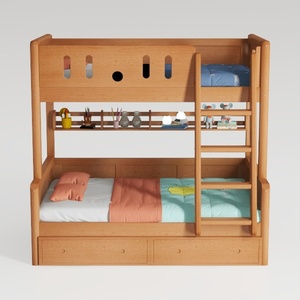

Merax Wood Bunk Bed with Drawers,Convertible Wood
If you're looking to transform your home with ease, try Homestyler! This user-friendly online platform offers an intuitive design tool, stunning 3D renderings, an array of design projects, and informative DIY video tutorials. Unleash your creativity and bring your vision to life effortlessly!
지금 무료로 디자인하세요
































