


Creating a banquet hall within a limited space relies significantly on precision rather than compromise. With ten years of experience fine-tuning intimate venues for major occasions such as weddings, community events, and corporate meals, I emphasize the importance of sightlines, overall comfort, and adaptable infrastructure. Start by outlining circulation paths and proximity of functions; in confined areas, maintaining a 36–44 inch main aisle and 18–24 inch clearance between chairs helps avoid congestion while maximizing room efficiency. Guest comfort is a primary factor for bookings, and focusing on minor details such as glare-free lighting, warm acoustics, and a logical layout can elevate an event from satisfactory to exceptional, especially when using tools like Homestyler for visualization.
Two critical studies guide my design philosophy. Firstly, research from Herman Miller shows that maintaining comfortable postures and minimizing musculoskeletal strain leads to higher satisfaction in high-usage environments. Seat pan heights around 17–19 inches, along with supportive backs, significantly reduce fatigue during extended events. Secondly, acoustic management is essential: the WELL v2 Standard underscores the need to control reverberation times for optimal speech clarity. In multifunctional rooms, targeting a mid-frequency reverberation time (RT60) of approximately 0.6–0.8 seconds enhances clarity for speeches and toasts. These principles directly apply to compact banquet spaces, where closeness can amplify both comfort and distractions.
Proper lighting is just as crucial. The Illuminating Engineering Society recommends aiming for horizontal illuminance in dining areas to be between 10–30 foot-candles (100–300 lux) with warmer correlated color temperatures (2700–3000 K) to create a relaxed atmosphere. Additionally, vertical illumination should focus on faces for flattering skin tones in photography. By layering ambient, task, and accent lighting, you can transition seamlessly from dining to dancing without the need to reset the entire room.
Effective Space Planning
I approach small banquet rooms as versatile settings ready to transform. A rectangular layout typically performs effectively with a central axis for ceremony setups and service pathways along the edges for staff movement. In medium-sized areas, I prefer 60-inch round tables, while opting for 48–54 inch rounds in tighter configurations to ensure smooth circulation. For family-style meals, incorporating 30×72 inch rectangular tables can boost capacity by 10–15% while maintaining open sightlines. I routinely utilize a room layout tool, such as Homestyler, to experiment with various seating arrangements and dance floor dimensions, ensuring optimal flow without incurring the costs of physical mock-ups.
Crafting Layered Lighting for Ambience and Effect
In smaller venues, uplighting can overly brighten ceilings, diminishing the desired mood. I counter this by using dimmable pendants or chandeliers for ambient lighting, wall grazers for adding depth, and adjustable spotlights for highlighting centerpieces or speakers. Set dining areas at 2700–3000 K, then adjust the lighting intensity to 3000–3500 K near bars or buffets for improved visibility. Maintain a low Unified Glare Rating (UGR) by shielding downlights and opting for matte finishes on reflectors. By incorporating dimmers with pre-set scenes for Dinner, Toasts, and Dance, transitions become effortless for both staff and guests.
Acoustic Solutions that Enhance Comfort
Shorter rooms tend to amplify sound reflections. To maintain clarity of speech, I employ a balanced approach with sound-absorbing materials that are also aesthetically pleasing. This includes fabric-wrapped wall panels, micro-perforated wood ceilings, and high-density underlayment beneath dance floors, all of which enhance absorption without cluttering the design. In terms of ceilings, using panels with a Noise Reduction Coefficient (NRC) of 0.75–0.85 or felt baffles can help achieve the desired reverberation times with elegance intact. A compact column-array speaker system directs sound towards the audience while minimizing noise spill to surrounding areas.
Ergonomic Furniture for Extended Events
Chairs designed with a seat height of 17–19 inches, a gentle lumbar curve, and a depth of 16–18 inches ensure that guests remain comfortable during lengthy dining experiences. Tables at a height of 28–30 inches pair well with these specifications. In spaces where storage is limited, I recommend stackable chairs made from durable fabrics that withstand at least 100,000 double rubs. For speakers, presenters, or emcees, a slightly elevated platform (8–12 inches) with a handrail maintains clear sightlines while being inclusive.
Utilizing Color Psychology in Small Venues
Color plays a vital role in compact spaces. Soft neutrals such as creamy whites and gentle taupes can create an impression of greater volume and enhance skin tones in photographs. Desaturated greens and muted blues in lounge areas promote calmness and reduce visual stress. Research in color psychology indicates that shades of blue and green are particularly effective in inducing relaxation and generating trust, making them ideal for pre-function or cocktail environments. I incorporate accent colors through textiles and floral arrangements, which are easily adjustable between events, while ensuring the walls and ceilings remain timeless.
Sophisticated and Durable Material Selections
High-traffic, small venues require resilient finishes. I favor matte or eggshell paints that resist glare and scuffs, quartz or high-pressure laminate for bar surfaces to combat stains, and slip-resistant LVT or engineered wood with commercial-grade wear layers (20–30 mil). For a more upscale appearance, I suggest using real wood in key areas such as stair nosings and bar rails while employing durable imitations elsewhere. Sustainable choices with low-VOC materials are crucial for maintaining strong indoor air quality, especially important in rooms that host numerous events throughout the day.
Establishing Spatial Rhythm: Movement, Dance Floor, and Service
Small banquet halls excel when event flow is carefully planned. I recommend sizing dance floors to accommodate approximately 2–4 square feet per dancer, ideally adjacent to the DJ or band to reduce cable runs across guest paths. Buffet lines are most effective in U-shapes or double-sided arrangements, providing 4–5 feet of clearance on each side. Bar stations should be constructed at a height of 42 inches, with 60–72 inch zones behind for staff assistance. Maintain clear and intuitive emergency egress routes using contrasting floor inlays or area rugs to define zones without the need for partitions.
Enhancing Ceiling Design for Height and Dramatic Flair
In venues with low ceilings, I avoid bulky chandeliers that can make the space feel cramped. Instead, I focus on using perimeter coves to visually elevate the ceiling and incorporate slimline pendant lighting over prominent tables. Mirrors can be used sparingly on upper wall sections to create an illusion of space, but care should be taken to limit their use to one or two walls to avoid overwhelming visual effects.
Effortless Technology Integration
Incorporating concealed cable troughs, strategically placed floor boxes at stage edges, and advanced lighting control systems such as DMX or DALI can simplify transitions between events. Utilize short-throw projectors or LED walls that minimize glare for a cleaner visual experience. Additionally, providing a dedicated AV storage area can prevent equipment from encroaching on guest space.
Importance of Circulation and Back-of-House Planning
Even in more modest venues, planning effective service routes is crucial. I ensure a minimum of 36 inches between the kitchen and bar areas, ideally separated from guest pathways whenever feasible. Staging carts should be discreetly stored in alcoves to maintain a tidy appearance. Positioning coat checks and restrooms near entrances reduces traffic across the main event space during peak times.
Personalization and Branding without Visual Clutter
Neutral architectural elements allow clients to personalize the space effortlessly. I incorporate dimmable accent lighting for branding opportunities, modular floral displays that can be integrated into millwork, and discreet ceiling fixtures for hanging decorative pieces. Everything is designed to reset quickly, ensuring efficient turnover times.
Emphasizing Sustainability for Long-term Viability
In compact venues where event hours accumulate quickly, efficient systems yield significant savings. Implementing high-efficacy LED fixtures, occupancy sensors in back-of-house areas, and demand-controlled ventilation can help maintain budget concerns. Using durable surface materials reduces the need for frequent replacements, while low-emission adhesives contribute to better air quality for staff working extended hours.
Illustrative Layouts for Small Banquet Halls
- For a wedding setup in the 1,800–2,200 sq ft range: 10–12 60-inch round tables accommodating 100–120 guests, a 12×16 ft dance floor with a DJ alcove featuring acoustical backing, and a bar positioned opposite the entrance to facilitate circulation.
- For a corporate dinner configuration between 1,200–1,500 sq ft: rectangular tables arranged in a chevron pattern for 70–90 guests, an 8-inch raised platform stage, and dual screens placed at a 30° angle from the centerline to improve sightlines.
- For a community reception occupying 900–1,100 sq ft: a mix of high-top and 48-inch round tables to encourage mingling, a mobile buffet set on wheels, and a collapsible backdrop for photographs.
Author's Observations from the Field
In the most compact environments I've worked in, the greatest successes stemmed from pre-wiring for audiovisual needs, selecting stackable seating with genuine lumbar support, and designing a lighting control system that can set the mood with just a touch. When space is at a premium, it's discipline—not just decor—that gives a sense of grandeur.
References for Further Reading
- Herman Miller Research: focuses on pre-emptive measures for seating comfort in environments requiring prolonged sitting.
- WELL v2 (Sound): guidelines related to managing reverberation and ensuring speech clarity.
- IES standards: outlining recommended illuminance levels for dining and the quality of lighting considerations.
Frequently Asked Questions
Q1. What table dimensions work best for small banquet halls?
A1. For optimal seating density without overcrowding, 48–54 inch rounds are the most suitable as they can seat 6–8 guests while maintaining circulation paths. When the space allows for wider aisles, consider using 60-inch rounds for centerpieces that require more table space.
Q2. How much aisle space should I provide?
A2. It is advisable to keep the main aisles at 36–44 inches, along with 18–24 inches between the backs of chairs and circulation paths. This arrangement facilitates seamless service and minimizes the risk of collisions among guests.
Q3. What are the ideal lighting levels for dining and photography?
A3. Aim for 100–300 lux (10–30 fc) on dining tables with warm color temperatures of 2700–3000 K. Soft vertical lighting on guests' faces, combined with adjustable accent lights on centerpieces, can enhance photographic results.
Q4. How can I enhance acoustics without compromising aesthetics?
A4. Integrate sound absorption into design with fabric-covered art panels, micro-perforated wood ceilings, plush seating, and high-density underlayment under dance floors. Target a mid-frequency RT60 of around 0.6–0.8 seconds to ensure clear speech.
Q5. Which chair features help minimize fatigue during lengthy events?
A5. Chairs should have a seat height of 17–19 inches, a depth of 16–18 inches, a supportive curved back, and breathable upholstery. Stacking frames with slight flexibility enhance comfort without adding bulk.
Q6. Where should the dance floor be positioned in a smaller venue?
A6. The dance floor should be placed adjacent to the DJ or band to minimize cable runs, while its size should encompass approximately 2–4 square feet per anticipated dancer, ensuring clear pathways around it.
Q7. Do color selections genuinely affect the guest experience?
A7. Absolutely. Warm neutrals can enhance perceived space and improve skin tone in photographs. Muted blues and greens in pre-function areas can create a calming effect, promoting relaxation, a concept backed by studies in color psychology.
Q8. How can I plan for multiple layouts without incurring high costs?
A8. Utilize a design software or room layout tool, like Homestyler, to visualize various seating arrangements and aid in testing different densities and configurations before making a decision.
Q9. What audiovisual strategies can be implemented to keep a small space organized?
A9. Use floor boxes at stage edges, concealed cable troughs, wall plates behind draperies, and pre-set lighting scenes to streamline transitions and minimize clutter within the space.
Q10. How do I maintain an effective bar arrangement alongside crowd movement?
A10. Position the bar opposite the main entrance or along a side wall to guide guests into the venue, incorporating a clear queue that doesn't disrupt main aisles, while ensuring a 60–72 inch staff zone behind.
Q11. What materials can provide an upscale yet durable experience?
A11. I recommend using quartz or high-pressure laminate for bar surfaces, commercial-grade LVT or engineered wood with 20–30 mil wear layers, and matte wall finishes to minimize glare. Real wood can be used in impactful areas for warmth.
Q12. Which sustainable practices are most beneficial for small venues?
A12. Implementing LED lighting solutions, choosing low-VOC materials, and utilizing durable surfaces that require less frequent replacement can significantly enhance the venue's sustainability and improve air quality for staff.
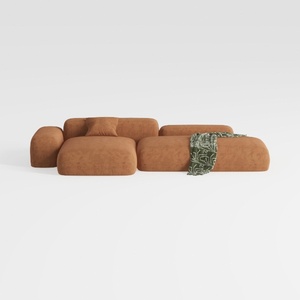
Minimalist Brown Fabric Modular Sectional Sofa 3D Model
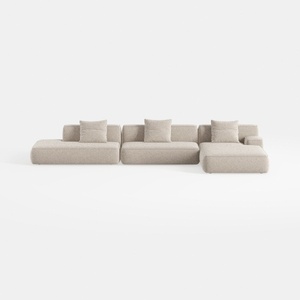
Minimalist Boucle Fabric L Shaped Sectional Sofa 3D Model
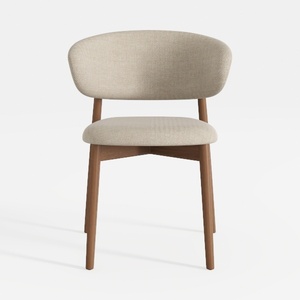
Minimalist Fabric Solid Wood Dining Chair 3D Model
Homestyler is your go-to online home design platform for transforming your space effortlessly. With its intuitive design tool, stunning 3D renderings, diverse design projects, and helpful DIY video tutorials, you can unleash your creativity and visualize your dream home in no time!
Diseño ahora GRATIS
































