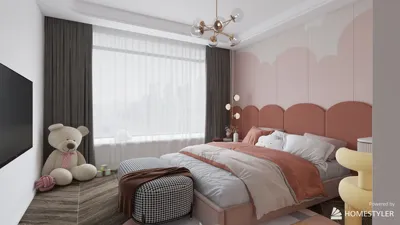


Creating a great atmosphere for small gatherings is crucial, and Bangalore provides an extensive array of mini party halls that can elevate events such as birthdays, baby showers, sangeets, and milestone dinners into unforgettable occasions. I emphasize the importance of aligning the venue's size with guest behavior, optimizing the arrangement and lighting, and ensuring sound comfort—these are the key ingredients that help intimate gatherings feel seamless rather than cramped or disorderly. Utilizing Homestyler can enhance the venue selection process.
Effective space planning begins by establishing clear metrics for capacity and comfort. Research by Steelcase on collaborative environments highlights that individuals perform best when density allows for personal space and unobstructed movement; for social environments, this translates to approximately 10–14 square feet per guest for both seated and standing arrangements. WELL v2's recommendations for lighting encourage maintaining ambient light levels between 200–300 lux during relaxed social times, with task areas reaching 300–500 lux to support food service and safety. These metrics serve as my baseline when evaluating Bangalore’s compact venues, balancing atmosphere with practicality.
Key Elements of a Functional Mini Party Hall
I look for three essential elements: the ratio of seating to circulation and service areas, controllable lighting, and sound management. An effective ratio typically consists of approximately 60% dedicated to guest seating and social spaces, 25% for circulation, and 15% for service and back-of-house areas. This approach facilitates the movement of food and audio-visual teams without encroaching on guests' space. Acoustic comfort is greatly influenced by material choices—soft furnishings like fabric panels, rugs, and upholstered seating can absorb mid-to-high frequencies that often increase as voices rise. For lighting, employing dimmable warm-white sources (2700–3000K) fosters an intimate environment, while a few sharper neutral-white accents (3500–4000K) can illuminate bars or dessert stations without disrupting the overall mood.
Selecting the Ideal Neighborhood in Bengaluru
Understanding traffic patterns is essential for timing, leading me to select neighborhoods that align with guest origins and event schedules. Indiranagar and Koramangala are perfect for evening gatherings post-work due to their favorable transportation options and parking availability. Central business hubs like MG Road and Church Street are excellent choices for corporate alumni events or networking gatherings, where location is key and late-night parking is less of a concern. For family-oriented gatherings, areas like Jayanagar and JP Nagar typically offer a quieter atmosphere and straightforward access for elders and children.
Strategizing Layout for Small Events
Mini halls require flexible planning. I typically start by establishing two circulation loops: an outer path against the walls for service staff and a mid-path that links the entrance, bar, and stage/photo backdrop. Grouping seating—4 to 6 chairs around small round tables or high-tops—promotes conversation while ensuring smooth transitions. If the venue permits, using tools like Homestyler for room layout visualization assists in simulating guest flow, seating density, and sightlines prior to finalizing décor.
Lighting: Creating Mood, Flexibility, and Safety
A layered lighting approach is essential. Ambient lighting (e.g., pendants or dimmable downlights) establishes the baseline, while accent lights highlight focal points (like the cake table or entrance). Task lighting ensures safe pathways and buffet lines. I aim for 200–300 lux in ambient settings for mingling and scale up to 300–500 lux near food areas—figures supported by WELL v2 recommendations for visual comfort. The color temperature is primarily set to warm tones (2700–3000K), with some neutral-white accents (3500K) to ensure photography remains sharp. It's vital to minimize glare by positioning bulbs away from eye level and angling spotlights at least 30 degrees off vertical to eliminate harsh shadows.
Acoustic Comfort in Compact Venues
In Bangalore's vibrant halls, sound can escalate quickly. Incorporating upholstered seating, textured drapes, and acoustic wall panels effectively mitigates reverberation. Speakers should be placed away from corners to prevent bass buildup, opting for a distributed small-format speaker system over a single large speaker for better sound coverage. If speeches are part of the event, using a cardioid microphone can help minimize feedback and capture less background noise.
Material Selections and Sustainable Practices
Choosing warm woods, breathable textiles, and tactile surfaces make compact spaces feel inviting. Select VOC-compliant paints and steer clear of glossy finishes that might reflect light and increase glare. Using reusable decorations—like modular fabric backdrops, rental flowers, and LED candles—can significantly reduce waste. For table settings, linen blends resist stains while remaining soft to the touch; slip-resistant flooring around buffet areas enhances safety without appearing overly utilitarian.
Understanding Color Psychology for Various Celebrations
Colors have the power to influence mood. Soft corals and blush tones can ease social apprehension and enhance skin tones in photographs. Shades like emerald and teal inject richness suitable for sangeets or cocktail parties. For children's events, bright primary colors in moderation maintain energy while balancing with neutral palettes on larger surfaces. These choices align with color psychology principles that link warm hues with sociability and cool hues with tranquility.
Seating Arrangements that Foster Interaction
Favor clusters over traditional rows. High-top tables promote lively conversations during short events; incorporating mixed-height seating creates a dynamic visual and prevents a monotonous banquet-hall aesthetic. When planning performances, keep a clear sightline corridor of 1.2–1.5 meters from the entrance to the stage and angle tables 15–30 degrees toward the focal area to minimize the need for guests to turn their heads.
Planning for Food and Drink
Buffets function exceptionally well in mini halls when organized into separate stations for appetizers, mains, and desserts, spaced at least 2 meters apart to avoid congestion. For plated service, designating a staging area near the kitchen and an efficient bussing route that bypasses photo backdrops is essential. Use neutral-white lighting (3500–4000K) above food for accurate color representation, while warm dimming over dining areas maintains a relaxed atmosphere.
Audio-Visual, Photography, and Event Flow
For intimate spaces, I prefer compact line-array or ceiling-mounted distributed speakers set at moderate levels that promote conversation. Ensure mic volumes are slightly above ambient sound for speeches. Organize your event schedule in concise segments—welcome (10 minutes), first mingle (20 minutes), program highlight or cake (15 minutes), second mingle (20 minutes), and closing toast (10 minutes)—including buffers for photos and spontaneous moments.
Considerations for Accessibility and User Needs
Maintain 900 mm clear pathways for wheelchairs and strollers. Provide a selection of chairs with arms for the elderly. Mitigate significant level changes; if necessary, make edges more visible with brighter contrasts and include handrails. Designate quiet areas away from loudspeakers for guests needing a sensory break, ensuring an accommodating environment for neurodiverse attendees.
Smart Budgeting Techniques
Mini halls shine with focused budgeting: improving lighting control, sound quality, and seating arrangements can create a considerable impact compared to elaborate decorations. Simple upgrades like dimmers, soft textiles, and well-selected linens can often enhance the overall space more than larger decorative items.
My Process for Shortlisting Mini Party Halls in Bangalore
The criteria I consider include capacity for 60-120 guests, sufficient ceiling height for layered lighting, a baseline acoustic treatment or the potential for it, flexible furniture arrangements, and straightforward vendor access. Additionally, I assess traffic patterns and parking availability, request demonstrations of lux levels with dimming options, and utilize a layout simulation tool like Homestyler to refine my plans before confirming dates.
Quick Venue Checklist
- Guest count and optimal density (10–14 sq ft per person for mixed-use)
- Dimmable warm ambient and neutral task lighting (200–500 lux range)
- Soft materials to effectively control reverberation and promote speech clarity
- Two circulation paths for guests and service teams
- Unobstructed sightlines to the stage/photo area
- Accessible pathways and relaxation areas
- Adaptable furniture to facilitate dining and mingling transitions
- Accessible parking or valet service for evening functions
Frequently Asked Questions
Q1: How many guests can comfortably fit in a mini party hall?
A: For events with a mix of standing and seated guests, plan for 10–14 sq ft per person. This ensures clear circulation and mitigates crowding, adhering to spatial usage guidelines often integrated into workplace and hospitality planning.
Q2: What lighting levels should I target?
A: Aim for ambient lighting around 200–300 lux for mingling, and increase to 300–500 lux at serving stations or steps for safety—these targets align with WELL v2 guidelines regarding visual comfort.
Q3: Which Bangalore neighborhoods are best for evening events?
A: Indiranagar, Koramangala, and MG Road provide a good mix of accessibility, nightlife, and parking. For calm daytime family events, Jayanagar and JP Nagar offer a quieter, more convenient atmosphere.
Q4: How do I prevent the room from becoming too loud?
A: Incorporate upholstered seating, curtains, and soft wall panels to diminish sound, utilize a distributed small speaker approach rather than one large setup, and keep speakers away from corners to limit bass buildup.
Q5: What color temperatures are most flattering in photography?
A: Warm-white (2700–3000K) enhances skin tones; incorporate neutral-white accents (3500–4000K) near food and photo areas to maintain accurate colors.
Q6: Is it better to have a buffet or plated service in small halls?
A: Buffets are advantageous when set up as separate stations to prevent long queues. Plated service has an elegant touch but necessitates clear staging and service routes; choose based on the dynamics of the guests and kitchen access.
Q7: How should I organize seating arrangements to facilitate mingling?
A: Opt for clusters with small round tables or high-tops and vary seating heights. Angle tables towards the focal area to improve sightlines and minimize traffic conflicts.
Q8: What accessibility features should I consider?
A: Ensure pathways of 900 mm for clear circulation, provide chairs with arms for elderly guests, avoid steep level changes, emphasize contrasting edges, and designate quiet seating areas away from sound sources.
Q9: Is professional AV equipment necessary for small events?
A: Often, a compact distributed audio system and a cardioid microphone will suffice. Maintain comfortable volume levels so guests can converse without difficulty.
Q10: How can I visualize the layout before making a booking?
A: An interior design visualization tool like Homestyler can help you experiment with seating arrangements, service paths, and sightlines, allowing for informed adjustments before making décor commitments.
Originally incubated at Autodesk, Homestyler has grown into one of the most widely adopted home design platforms in the world, now trusted by over 18 million users. Whether you're a homeowner exploring ideas or a professional designer delivering client-ready renders, Homestyler brings industry-leading 3D technology to your fingertips — no experience required.

Bohemian Rattan Round Coffee Table 3D Model
Modern Brown Leather L-shaped Sectional Sofa with Matching Armchair 3D Model

Minimalist Solid Oak Fluted TV Stand with Black Metal Legs 3D Model
Homestyler makes home design accessible to everyone! With its easy-to-use online design tool, stunning 3D renderings, and a wealth of DIY video tutorials, you can effortlessly experiment with your ideas and create your dream space. Start designing today!
Progetta ora GRATIS
































