

In my perspective, seating arrangements in meeting rooms serve as the foundation of effective collaboration. The choice of chairs influences participant posture, concentration levels, and the overall longevity of productive discussions without distractions from restlessness or fatigue. In well-organized meetings, seating is designed to enhance focus: maintaining an upright position during presentations, encouraging flexible movements in workshops, and fostering a serene environment during decision-making processes. This is where tools like Homestyler can play a key role in visualizing optimal seating layouts for any meeting context.
Selecting the appropriate chair transcends mere comfort. Research from Steelcase reveals that a variety of postures is crucial for cognitive efficiency, with several seating positions enabling prolonged attention during lengthy meetings. The WELL v2 framework emphasizes that ergonomics and adjustable seating solutions significantly contribute to musculoskeletal health, thereby reducing discomfort risks linked to extensive periods of sitting. When planning a space, I prioritize chairs that facilitate a neutral posture, permit slight movements, and adjust quickly to maintain the momentum of the meeting, which can be simulated using Homestyler.
Acoustic comfort is another critical factor. Research by Herman Miller indicates that distracting noise diminishes performance and increases fatigue. Therefore, opting for chairs equipped with quiet casters, soft edges, and minimal creaking noises helps to keep meeting environments acoustically pleasant. Additionally, lighting choices and materials are integral: following IES guidelines, balanced vertical illumination in meeting rooms aids in facial recognition and alleviates eye strain during presentations, highlighting how these considerations impact participant engagement significantly by the 45-minute mark.
Essential Factors to Consider for Meeting Room Chairs
I assess chairs based on five essential aspects: ergonomics, acoustics, mobility, material resilience, and visual cohesiveness. Each aspect ensures that a chair can withstand the demands of real-life usage—frequent transitions, diverse user profiles, varying meeting formats, and strict maintenance timelines.
Meeting chairs must offer a quick fit for all participants. I prefer models with adjustable seat heights spanning approximately 16 to 21 inches, equipped with lumbar support or a flexible backrest, and featuring a waterfall seat design to minimize leg pressure. Fixed armrests suit formal boardrooms, while height-adjustable arms with soft edges facilitate activities like laptop use in workshop settings. Ideal chairs also include a slight recline with tension control, as rigid backs can discourage proper posture after prolonged usage.
Smooth reconfiguration is key; I favor dual-wheel casters tailored to the floor type (hard-floor casters for solid surfaces like timber or concrete, and standard casters for carpeted areas). Lightweight yet robust frames facilitate swift movements without compromising stability. In versatile spaces or innovation hubs, stackable chairs with glides (instead of casters) offer quieter and more stable options, while swivel bases promote easy adjustments towards screens. For frequent layout changes, using a room design tool like Homestyler helps visualize traffic flow and ensure adequate clearance, preventing any interference between chair legs and table setups.
Chairs should operate quietly; I specify soft-touch arm pads, dampened casters, and well-finished upholstery to avoid squeaks. Open-back mesh alternatives provide better sound diffusion compared to rigid plastic chairs, while fabric seats reduce scraping noises. In spaces with glass walls, employing softer materials can help reduce reverberation, making conversations sound warmer and clearer.
Upholstery must be durable—prioritize fabrics with high rub counts (typically exceeding 50,000 double rubs for commercial-grade materials) and easy-to-clean surfaces. In areas prone to spills, antimicrobial vinyl is a feasible choice; for executive settings, wool blends offer exceptional temperature management and longevity. Sustainable practices are also important: selecting recyclable frames, low-VOC adhesives, and modular components prolongs product life and facilitates easy repairs.
Boardrooms benefit from visually cohesive chairs that are slightly firmer, promoting an upright posture that reflects professionalism. Brainstorm rooms, on the other hand, thrive on breathable mesh backs and flexible reclines to keep participants engaged. Training areas require stackable or nesting chairs, ideally with tablet arms. The right seating aligns with the spatial purpose—creating clarity during decision-making, energizing workshops, and simplifying the learning process.
Chair Varieties and Their Optimal Applications
Different meeting scenarios warrant distinct seating styles. I ensure that the selection of chairs corresponds with the meeting type and room dimensions to prevent the pitfalls of one-size-fits-all approaches.
These chairs borrow ergonomic features from office task chairs: adjustable height, swivel capabilities, tilting options, and supportive backrests. They excel in conference rooms where frequent laptop engagement or hybrid meetings with consistent screen adjustments are common. This choice clearly enhances flexibility and comfort without added complexity.
Ideal for formal environments and client interactions, these chairs boast stable, clean lines with minimal moving components. Opt for curved backs with lumbar support and adequately thick seat padding to accommodate sessions lasting 60 to 90 minutes. If agendas tend to extend, consider introducing a slight flex in the backrest.
In training and multifunctional rooms, nesting chairs with flip-up seats optimize storage while ensuring quick turnover. Ensure that the frames are sturdy to withstand regular movement. Pair these with either fabric or mesh materials to enhance airflow during extended workshops.
For project areas with elevated tables, stools are essential to maintain eye contact with standing participants. Choose stools with accessible footrests and molded seats to minimize pressure points. Backed stools featuring light spring support can provide comfortable postures during mid-length sessions.
Key Human Factors to Consider
It's crucial to recognize that individuals vary significantly in height, shoulder width, and hip size. Chairs should accommodate a wide percent range without appearing oversized. I target seat widths of approximately 18 to 20 inches, depth measurements of 16 to 18 inches, and back heights that support between the lower thoracic region and shoulder blades. Avoid overly deep seats that could lead to slouching and neck strain when individuals reach for laptops or notes.
The Psychology of Color and Visual Harmony
Color affects group dynamics profoundly. Subtle blues and cool neutral shades instill a sense of calm and analytical focus, while soft greens suggest equilibrium and rejuvenation. According to VeryWell Mind's color psychology insights, blue is frequently linked with dependability and productivity. In rooms tasked with heavy decision-making, I ensure low saturation levels to avoid overstimulation. Conversely, in creative workspaces, warm color accents can invigorate energy without overwhelming the overall aesthetic.
Lighting, Glare, and Chair Surface Finishes
Reflective finishes, including glossy arm caps or chair backs, can amplify glare under bright lights. Following IES guidance, I strategically position lighting to minimize direct highlights on chair surfaces. By using matte finishes and textured fabrics, we decrease visual distractions, allowing focus on faces and content rather than on glaring reflections.
Maintenance, Cleanliness, and Lifespan
Meeting chairs endure substantial usage: a multitude of users each day, spills, and continuous rearrangements. When possible, I advise choosing removable seat covers and fabrics with high cleanability ratings. When chairs are shuffled between rooms, it’s useful to label casters or opt for distinct finishes per area to avoid mix-ups. Warranties and modular components should also be considered; the capacity to swap out parts like arms or seat pans extends a chair's lifespan while reducing environmental waste.
Layout Strategies for Varying Meeting Formats
The layout often transforms a solid chair into an exceptional experience. In confined spaces, it's essential to avoid overcrowding; providing at least 36 inches of circulation space around table edges promotes comfort and prevents collisions. For hybrid meetings, utilizing swivel bases allows participants to face screens quickly without damaging the flooring. When designing various layouts (such as boardroom, U-shape, or classroom), an interior layout planner is invaluable for assessing chair quantities, aisle widths, and sightlines before final decisions are made.
Financial Considerations and Value
Allocate budget where it counts: in critical adjustable features like seat height, lumbar support, and tilt tension. It’s sensible to economize on cosmetic enhancements that elevate costs without improving comfort. In high-traffic rooms, select performance fabrics over luxury options since durability enhances product life and minimizes replacement costs.
A Brief Procurement Checklist
- Seat height range accommodates diverse users (approx. 16–21 inches)
- Backrest provides lumbar support or flexibility
- Arm caps enable laptop use without sharp edges
- Casters are appropriate for the flooring type and operate quietly
- Upholstery is durable, easy to clean, and low in VOCs
- Frame is lightweight yet robust for easy reconfiguration
- Noise is minimized (no squeaking, with dampened casters)
- Finishing works well with lighting to mitigate glare
- Availability of warranty and modular components to enhance sustainability
Effective Placement Techniques
In boardrooms, maintain consistent spacing between armrests to prevent accidental clashes. In project rooms, it's beneficial to pair swivel chairs with a few stools at large tables to accommodate varying energy levels. Strive for visual consistency: uniform chair heights around a common table and complementary designs in multifunctional spaces. Such harmony diminishes visual fatigue and conveys a sense of order.
Frequently Asked Questions
Q1: Which chair adjustments are most significant for meeting rooms?
A: Key adjustments include seat height, lumbar support or flexible backrest, tilt tension, and arm height. These features facilitate a swift fit and promote posture variation without diverting focus from the agenda.
Q2: What duration of comfort should a meeting chair provide?
A: Aim for sustained comfort of 60 to 90 minutes. After this period, the ability to vary posture (through reclining, shifting, or swiveling) becomes paramount to fend off fatigue, supported by Steelcase's findings on the connection between posture variance and concentration.
Q3: Do mesh backs provide superior performance compared to upholstered backs?
A: Mesh designs enhance breathability, making them ideal for long sessions, while upholstered backs contribute a warmer aesthetic and often deliver better lumbar support. The choice should align with the purpose of the room and the duration of the sessions.
Q4: Which type of casters do I need?
A: For hard floors—timber, concrete, or vinyl—opt for hard-floor casters to prevent skidding, while standard casters work best on carpet. Dual-wheel designs roll seamlessly and discreetly, supporting both acoustics and easy layout modifications.
Q5: What colors are optimal for decision-focused rooms?
A: Soothing neutrals and gentle blues foster a calm and analytical atmosphere. Color psychology research from VeryWell Mind associates blue with dependability and productivity—choose lower saturation shades to avoid overwhelming stimuli.
Q6: How do chairs interact with acoustics?
A: Softer materials, damped casters, and tight joints minimize incidental noises. In environments filled with glass, utilizing fabrics and mesh can absorb sound reflections, resulting in clearer communication that feels less tiring.
Q7: What is the ideal seat size for chairs?
A: A practical size target is between 18 to 20 inches wide and 16 to 18 inches deep to accommodate a diverse user group. Pairing with a waterfall edge further alleviates leg pressure during lengthy discussions.
Q8: Are armrests necessary for every chair?
A: In formal boardrooms, armrests can facilitate an upright posture and enhance presence. In workshop settings, height-adjustable arms cater well to laptop usage. For confined classroom arrangements, armless or tablet arm chairs may save space.
Q9: What's the best approach to planning layouts for hybrid meetings?
A: Implement swivel chairs for efficient screen orientation, aim for a 36-inch circulation space whenever possible, and use design visualization tools to model sightlines, ensuring cameras capture participants' faces effectively.
Q10: What maintenance methods prolong chair lifespan?
A: Selecting durable, high rub-count fabrics, removable covers, and modular parts aids longevity. Labeling chairs by usage area helps prevent mix-ups, and ensuring appropriate caster types are matched to flooring minimizes wear and tear.
Q11: Are stools an effective choice for meeting environments?
A: Absolutely, particularly for high tables in project-focused settings. Backed stools with footrests facilitate natural posture adjustments, maintaining comfort throughout mid-length sessions.
Q12: How should lighting choices align with chair finishes?
A: Striving for balanced vertical illumination per IES recommendations supports facial recognition and reduces eye strain. Matte finishes on chairs can help mitigate glare, keeping emphasis on speakers and content.
What began as an Autodesk innovation has evolved into a design platform used by more than 18 million people around the globe. Homestyler combines powerful rendering, an intuitive editor, and a vast furniture library to help you turn inspiration into photorealistic designs — whether you're redesigning a single room or planning an entire home.
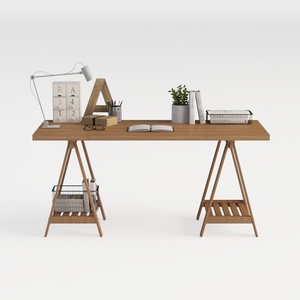

Minimalist Solid Wood Home Office Desk With Storage Shelves 3D Model

Minimalist Solid Wood Woven Rattan Armchair 3D Model

Minimalist Solid Wood Two Drawer Floating Wall Console Table 3D Model
Transform your home design dreams into reality with Homestyler! This user-friendly online platform offers an intuitive design tool, stunning 3D renderings, and a treasure trove of video tutorials and design projects. Whether you're a novice or a pro, create beautiful spaces effortlessly!
Diseño ahora GRATIS
































