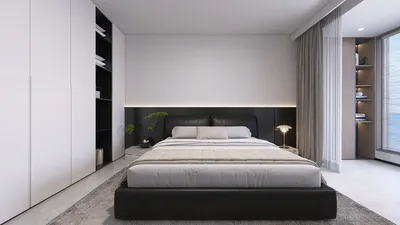


L-shaped living rooms have always struck me as both inviting and intricate; they offer cozy zones and extensive sightlines but can easily become visually chaotic without a strategic ceiling plan. Utilizing a well-designed false ceiling can cohesively link the L-shape layout—facilitating light flow, sound absorption, and movement, all while maintaining an elegant and unobtrusive appearance. One effective way to visualize and design such spaces is through tools like Homestyler.
Prioritize Performance: Light, Comfort, and Flow
In L-shaped spaces, lighting plays a crucial role in establishing ambiance. The WELL v2 standard emphasizes the importance of balanced illumination and daylight, with glare management being essential for visual ease. Aim for ambient lighting around 150–300 lux for general spaces, while targeted areas like reading chairs or media consoles should reach 300–500 lux, as per IES guidance for home environments. Research by Steelcase indicates that effective lighting management enhances perceived comfort and sustained focus; therefore, a thoughtfully designed ceiling layout ensures that both sections benefit from balanced, dimmable light without any glaring hot spots or uneven brightness.
Understanding the L: Creating Zones without Fragmentation
L-shaped living areas typically accommodate conversation and media activities. I advocate for a ceiling design that subtly separates these functions while keeping a visual connection. For instance, a partial drop in the media section equipped with integrated linear lighting can create a frame around the screen wall, while a lighter, floating perimeter in the conversation area maintains a social atmosphere. To check visual balance, I often use a room layout tool for quick mockups, like the one from Homestyler, which aids in optimizing movement paths and sightlines.
Ceiling Designs that Enhance L-Shaped Rooms
• Layered trays with indirect lighting: Implement a shallow tray along the long side and a more slender strip in the short leg to unify the L-shape. Indirect uplighting minimizes glare on displays, contributing to a serene luminance gradient.
• Curved or ribbon soffits: Continuous, sweeping soffits following the interior L-shape soften transitions and direct the gaze, particularly beneficial where joints may appear abrupt.
• Coffered modules at the juncture: A cluster of coffered panels in the corner can ground the shift, especially in spaces with higher ceilings. It’s advisable to keep the module’s depth modest (50–75 mm) to prevent a heavy look.
• Floating acoustic rafts: Lightweight sound-absorbing rafts equipped with LEDs can hover over the seating area. Opt for micro- perforated finishes to enhance sound absorption while avoiding a corporate aesthetic.
• Hybrid baffle ceilings: Wooden or PET baffles along the longer leg support clarity in conversation. Use 50–75 mm spacing to achieve a balance between sound absorption and openness.
Lighting Tactics: Lux Levels, Layers, and Glare Management
In living areas, a multi-layered lighting strategy is essential—comprising ambient, accent, task, and decorative layers—to ensure each segment of the L receives adequate illumination. For ambient lighting, indirect coves targeting 200–300 lux will ensure even brightness. Accent spotlights (10–25°) can highlight art or cabinetry at 200–400 lux without excessive glare. Task lighting near seating should provide 300–500 lux, utilizing shielded lenses and dimming capabilities to seamlessly adjust from a cinematic experience to reading. I adhere to IES glare standards by recessing downlights by at least 20–30 mm and selecting fixtures that minimize unprotected glare and manage beam spreads to avoid direct visibility at typical seated heights (approximately 1100–1200 mm).
Considering Human Factors: Sightlines, Heights, and Ratios
A false ceiling's depth should remain light so as not to overpower the room. For L-shaped living areas, I keep soffit setbacks between 50–100 mm in standard ceiling heights of 2.7–3.0 m, utilizing 150–200 mm only when ducting necessitates. Clear sightlines should remain from the media section to the conversation area—ceiling features should guide focus rather than obstruct it. When employing trays, maintain a minimum setback of 250–350 mm from walls to keep edges feeling light, and avoid trays if the narrower segment reaches below 2.4 m in finished height.
Color Psychology and Ceiling Finish Strategies
The color of the ceiling can subtly influence ambiance. Warm lighting (2700–3000K) and slightly warm paint colors foster a sense of relaxation and sociability, especially in evening settings. Cooler tones (3500–4000K) enhance detail for media or reading endeavors without appearing sterile. Soft, matte finishes diminish glare, and a low-sheen ceiling helps stabilize light perception. Use accent bands in muted tones to define the turn of the L, and apply color sparingly at the ceiling to avoid overwhelming the space; instead, let the light transitions orchestrate visual rhythms.
Enhancing Acoustic Comfort in L-Shaped Rooms
The elongated layout of an L can create disruptive echoes. To combat this, integrate acoustic backing behind perforated gypsum or specify PET felt rafts at seating locations. Aiming for balanced sound absorption (NRC around 0.7 in targeted areas) while preserving reflections where energy is desired is key. I recommend avoiding hard, continuous coffers throughout both sections; instead, staggered elements can break up resonance while maintaining a unified aesthetic.
Material Choices and Eco-Friendly Practices
Opt for low-VOC gypsum, FSC-certified wood baffles, and recycled PET acoustic panels. Ensure that maintenance access panels align with the lighting design for ease of upkeep. Whenever possible, design ceiling sections to be modular, allowing them to be removed or reconfigured—sustainability encompasses not just materials but adaptability over a room's lifespan.
Spatial Dimensions and Visual Harmony
A useful guideline to follow is to restrict ceiling features to 35–45% of the total footprint of the L unless you're intentionally crafting a cozy media room. Maintain symmetry within each section while allowing asymmetry at the turn to establish a visual pivot. Align fixtures with the layout of furniture—downlight arrangements should correspond to seating rather than solely to the architectural design.
Seamlessly Integrating Technology
Plan ahead for cabling, speakers, and sensors. Conceal LED strips within shadow gaps, use narrow beam spotlights to avoid reflections on screens, and coordinate speaker placement with acoustic features. Implementing a dimming infrastructure (DALI or compatible smart controls) allows for precise scene settings across both areas—whether reading, hosting, or movie nights—while minimizing visual clutter.
Common Scenarios in L-Plan Design and Ceiling Solutions
• For small apartment Ls (2.5–2.7 m height): Minimum drops, perimeter coves, 2-3 adjustable spots near seating, and a micro-baffle panel at the bend are ideal.
• In large family room Ls (3.0 m+ height): A layered tray above the long side, floating raft over conversational areas, linear lighting for artwork, and adjustable scene presets work well.
• In media-intensive Ls: Implement anti-glare trims, lower ambient levels (150–200 lux), targeted reading lights, and darkened raft interiors to mitigate reflections.
Trustworthy Process for Effective Planning
1) Identify behaviors; 2) establish light layers; 3) define ceiling grammar; 4) assess glare and heights; 5) examine acoustics; 6) model pathways and sightlines using a room planner like Homestyler; 7) specify eco-conscious finishes; 8) conduct a thorough commissioning to ensure crisp trims and gaps. Quick iterations with a room design visualization tool help to prevent complications and maintain clarity in the L-plan.
Frequently Asked Questions
Q1: What is an optimal ceiling drop for a standard L-shaped living area?
A: In 2.7–3.0 m ceilings, maintain drops between 50-100 mm unless structural needs dictate otherwise. Deeper drops are most effective localized over media or circulation sections, avoiding uniform coverage throughout the L.
Q2: What should be the brightness level for ambient lighting?
A: Aim for 150–300 lux for ambient, with task lighting achieving 300–500 lux for reading and activities. Following IES guidelines will help balance comfort and visibility without excess glare.
Q3: How do I minimize glare on my television?
A: Utilize indirect coves for ambient lighting, position adjustable spotlights behind or beside seating, select fixtures with proper shielding, and steer beam angles clear of the screen surface.
Q4: Which ceiling styles are best for enhancing acoustics?
A: Consider acoustic rafts, perforated gypsum with backing, and PET baffles. Place them in proximity to seating or at the L's bend to effectively disrupt flutter echoes.
Q5: Does ceiling color contribute to a sense of spaciousness?
A: Absolutely. Light, matte finishes and softer uplighting can enhance the perception of height. Stick to warm-to-neutral color temperatures (2700–3500K) for a relaxed atmosphere without sacrificing clarity.
Q6: How can I visually unify the two parts of the L?
A: Keep a consistent perimeter detail—like a slim cove—throughout both sections and align lighting grids to furniture arrangements. Implementing a subtle focal feature at the bend can facilitate the transition.
Q7: How do dimming options and scene settings function?
A: Scene controls allow for seamless transitions among activities like entertaining, reading, and movie evenings without needing fixture alterations. Dimming enhances visual comfort and conserves energy.
Q8: Are coffered ceilings appropriate for L-shaped designs?
A: Moderately. Utilize shallow coffers near the bend or over designated areas. Excessive usage can visually fragment the L and create a heavier ceiling presence.
Q9: How can I plan for future technology upgrades?
A: Design modular ceiling segments with accessible conduits. Ensure service panels are discreet yet reachable, allowing for easy updates of lighting or audio systems.
Q10: What sustainable materials are suitable for this setting?
A: Good options include low-VOC gypsum, FSC-certified timber, and recycled PET felt. Combine material selection with adaptable designs for longevity.

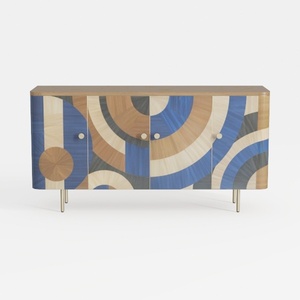
Tribesigns 63'' Farmhouse Sideboard Buffet Cabinet
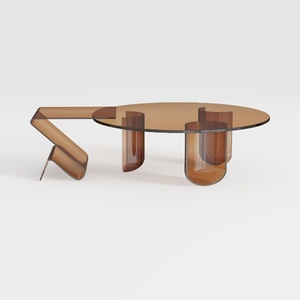
Round Coffee Table Modern Glass Coffee Table with
Homestyler is your go-to platform for effortless home design! Featuring an easy-to-use online design tool, stunning 3D renderings, and a wealth of DIY video tutorials, it empowers you to create and visualize stunning interior spaces—all at your fingertips. Transform your home design dreams into reality!
立即免费设计
































