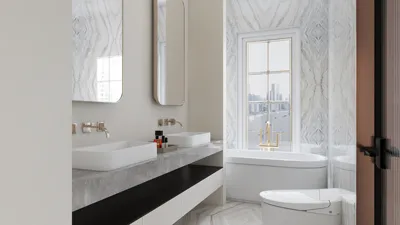


When I approach storage design, I consider it much like circulation: it ought to subtly guide behavior, minimize friction, and maintain an aesthetically pleasing appearance. Strategically positioned, well-ventilated room hampers can significantly enhance cleanliness and efficiency in daily routines. By harmonizing hampers with the room's lighting, acoustics, and materials, what could have been visual clutter becomes part of a systematic and organized laundry routine. Utilizing tools like Homestyler can help visualize these integrations effectively.
The factors of scale and placement are determined through careful research rather than guesswork. According to Steelcase, individuals may spend up to 51% of their workday engaged in switching tasks. This pattern continues at home, where similar micro-tasks such as picking up garments and locating bins lead to increased clutter and wasted time. WELL v2 emphasizes the importance of maintaining clutter-free environments for reducing stress, while ASID surveys consistently show that orderly storage enhances overall well-being. I leverage this data to position hampers in high-usage areas—such as bedrooms, bathrooms, and entryways—facilitating a seamless transition from 'discard' to 'wash'.
Many people overlook the significance of ventilation and light. The IES proposes a balanced approach to ambient lighting and glare control; hence, in laundry corners, I aim for approximately 300–500 lux of warm-neutral light (3000–3500K). This ensures precision without harshness. Adequate airflow and breathable textiles can effectively prevent odor and moisture build-up, aligning with WELL v2's protocols surrounding humidity and mold control. An effective hamper breathes, conceals, and directs.
Core Principles: Transitioning from Chaos to a Clean Workflow
I view hampers as part of a defined route: undress → drop → sort → transport → wash. Each phase features a touchpoint. When this route is logical, piles of clothing are less likely to accumulate. I commonly recommend a two or three-bin system for managing whites, darks, and delicates. For larger families, incorporating a towel category as a fourth bin can be beneficial. Employing labels or color codes helps to streamline decisions; Verywell Mind highlights that color cues can enhance memory and task compliance—blue for delicates (offering calmness), charcoal for darks (associative), and off-white for lights.
Bedrooms: Subtle Storage that Honors Rest
In designing bedroom spaces, I prefer hampers that maintain visual tranquility. Low-profile hampers with soft-close lids minimize noise. Positioning hampers out of direct sight—within closets or beside dressers—promotes calm. If you're adjusting closet layouts, consider incorporating a slide-out or tilt hamper within custom millwork, keeping floor areas clear while enhancing daily routines. Utilizing a room layout tool like Homestyler can aid in visualizing space around placement and traffic flow.
Bathrooms: Prioritizing Ventilation and Tackling Moisture
Steam poses a threat to fabric longevity and finish quality. In bathrooms, I often specify hampers made from perforated metal or those lined with mesh to resist rust, positioning them away from wet areas. Maintaining an 18–24 inch buffer and installing an adequately rated exhaust fan helps retain dryness. In compact spaces, wall-mounted fold-down hampers can save critical floor space and positioning towels just a step from the shower minimizes drips.
Entryways and Mudrooms: Capturing Mess Before It Spreads
These spaces serve as the first line of defense against disorder. A sturdy, easily cleanable hamper for sportswear and outdoor garments prevents dirt from being tracked through the home. I recommend using polypropylene bins with removable liners; they are hoseable, durable, and maintain color stability. Including a separate breathable bag for gym clothing can effectively manage odors while optimizing airflow. Complement hampers with a bench and hooks to complete the 'drop-sit-store' process. In cases where mudrooms also function as laundry areas, rolling hampers positioned under counters can facilitate a smooth transfer to the washer.
Small Apartments and Studios: Implementing Vertical Solutions
When space is at a premium, vertical solutions are key. Stackable modular hampers or slim pull-out designs placed next to wardrobes optimize floor area. Opting for hinged lids that stay within the unit's footprint prevents conflicts with doors. I often situate a single divided hamper at the entry to the bathroom for easy access to most garments. Keeping finishes light can create an illusion of a larger, more open space, while breathable materials help prevent mildew against walls.
Kids' Rooms: Developing a Teach-Through System
Children respond well to straightforward signals and easily accessible heights. I suggest using color-coded bins (large icons for pre-readers) positioned at 18–22 inches high. Soft, rounded edges reduce the risk of injury. A mesh liner makes it simpler for youngsters to carry loads. Positioning hampers close to dressing areas rather than play zones links behavior directly to actions; habit formation is easier when the path of least resistance is clear.
Master Suites: Blending Comfort with Discretion
In master closets, I like to integrate tilt hampers behind panel doors featuring breathable designs. Divided sections streamline the sorting process; motion-sensored LED lighting (2700–3000K) aids in visibility without interfering with night vision. Using liners that can be washed maintains cleanliness inside the hamper. If space permits, incorporating a 'drying tower' with airflow panels alongside hampers can support items that shouldn't be directly placed in the wash.
Material Selection: Emphasizing Durability, Breathability, and Sustainability
The choice of materials affects both longevity and hygiene. Powder-coated steel provides structure and perforations for airflow; sustainably harvested bamboo offers a balance of warmth and sturdiness while resisting odor. Recycled PET felt can absorb sound and safeguard floor surfaces. I typically avoid entirely sealed plastics in moist environments—these can lead to moisture accumulation and subsequent smells. Opting for removable, washable liners extends the lifespan and promotes hygiene.
Ergonomics: A Design that Supports the Body’s Needs
The height of a hamper is critical for promoting back health. For regular use, a height of 22–28 inches allows for a natural drop motion without excessive bending. Handles should be centrally located and designed for comfortable gripping to mitigate wrist strain. For larger homes, a rolling base proves practical—low-noise wheels enhance acoustic comfort. Ensuring path widths of 30–36 inches allows for easy maneuvering of hampers, keeping consistent clearances encourages habitual use.
Lighting and Odor Control: Ensuring Clarity and Comfort
Accurate sorting relies on color fidelity. For optimum results, aim for a Color Rendering Index (CRI) of 90+ and maintain ambient light levels of 3000–3500K near hamper zones to ensure whites and lights are distinguishable without harshness. Keeping glare to a minimum can be achieved through the use of diffusers or wall sconces. Odor management relies on proper airflow: perforations, mesh panels, and a gap of 1–2 inches away from walls can facilitate convection. Where necessary, placing activated charcoal sachets within liners can provide a passive approach to odor control without relying on fragrances.
Acoustics: Ensuring Silence as an Essential Element in Daily Routines
Soft-closing lids are crucial; adding felt or silicone dampers can help achieve this. Rolling hampers should utilize soft thermoplastic wheels. In apartment settings, it is advisable to steer clear of rattly wire frames. By managing sound, you maintain a peaceful atmosphere, encouraging regular use as no one enjoys noisy distractions at midnight.
Placement Strategy: Charting the Path
Positioning hampers at decision-making locations is essential: beside the wardrobe, immediately inside the bathroom door, or adjacent to laundry appliances promote better habits. In multi-story homes, placing one hamper per floor minimizes trips. In shared living situations, assigning bins to individuals can prevent mix-ups and streamline folding tasks. If you’re exploring different circulation patterns or considering multiple hamper positions, applying a room design visualization tool like Homestyler makes it easier to sketch out clearances and furniture relationships.
Maintenance: Keeping the System in Optimal Condition
Liners should be washed weekly, frames wiped down monthly, and wheels should be inspected seasonally. Replace charcoal sachets every 2–3 months to maintain freshness. If odors linger, re-evaluate ventilation and humidity instead of masking them with fragrances. A clean system fosters usage; a malodorous bin discourages it.
Field Notes: Successful Strategies Withstand Real-Life Challenges
In a bustling family environment, the transition from a large floor bin to two slim, divided tilt hampers within the closet significantly reduced visible clutter by half and expedited laundry days due to automatic sorting. In compact apartments, a two-tier stackable hamper beside the wardrobe minimized floor disarray and facilitated clear circulation, contributing to a larger and more serene feel.
Recommended Standards and Research
For benchmarks on lighting quality and glare management, refer to IES standards. To explore the relationship between clutter and well-being, resources from WELL v2 are valuable. Strategies for color coding align with insights from Verywell Mind regarding the impact of color psychology, particularly the calming effects of blue and the clarity provided by neutral palettes.
FAQ
Q1: How many hampers are ideal for a small apartment?
A divided hamper with two or three compartments, situated close to the bathroom or wardrobe, typically captures about 90% of clothing without utilizing additional floor space.
Q2: What height is ergonomically optimal?
A height between 22–28 inches facilitates a natural drop-and-go motion while minimizing bending. For taller individuals, opting for 26–28 inches is favorable, whereas for kids, 18–22 inches suffices.
Q3: Do hampers with lids assist in odor management?
Certainly, but good ventilation is even more critical. Choose breathable lids or hampers with perforated bodies, and complement them with washable liners and occasional charcoal sachets.
Q4: What’s the best placement for hampers in a master suite?
Ideally, position them inside the closet near dressing areas, incorporating divided tilt fronts for efficient sorting. Adding motion-sensor lighting enhances sorting without disrupting sleep.
Q5: How can I prevent mildew in hampers?
Choose materials such as perforated powder-coated steel, mesh, or breathable bamboo. Avoid sealed plastics in humid areas, as they trap moisture and odors.
Q6: What are effective ways to reduce laundry day sorting time?
Utilize color-coded compartments along with clear labels. Position hampers at decision points to facilitate sorting as garments are discarded, instead of delaying it for later.
Q7: Are rolling hampers beneficial?
Absolutely, in larger homes or multi-level setups. Low-noise casters not only protect floors but also ease transportation to laundry spaces.
Q8: What lighting conditions enhance sorting accuracy?
Aim to provide between 300–500 lux of ambient light with a CRI of 90+ at 3000–3500K near hamper areas to ensure distinct differentiation between whites, lights, and darks.
Q9: How can I efficiently plan hamper placement in constrained spaces?
Implement vertical solutions using stackable units, and experiment with different positions using a room layout tool to maintain clear pathways and door access.
Q10: Is it possible to integrate hampers into cabinetry?
Yes, tilt-out or slide-out units with breathable fronts, divided sections, and washable liners effectively keep the areas tidy and free of visual clutter.
Homestyler is your go-to online home design platform, perfect for bringing your creative visions to life. With its user-friendly design tool, stunning 3D renderings, and an array of inspiring DIY video tutorials, transforming your space has never been easier. Start your design journey today!
Дизайн сейчас бесплатно
































