

I have utilized room freshener sachets in various settings including homes, boutique offices, and hospitality projects when clients desire an instant improvement in ambiance without having to rely on diffusers or aerosols. The essence lies in subtlety: a polished, layered fragrance that enhances comfort and functionality. In both workplace and residential environments, there is an observable correlation between air quality, perception, and overall satisfaction. Research from Steelcase indicates that discomfort related to acoustics and air quality ranks among the top factors detracting from workplace experiences, adversely affecting concentration and wellness; implementing a low-intensity scent strategy in conjunction with adequate ventilation can elevate the perception of cleanliness and tranquility. The WELL v2 framework also highlights the importance of olfactory comfort under its Air and Mind concepts, advocating for strategies that reduce pollutants and avoid overpowering fragrances while fostering mental well-being.
The interplay of color, light, and scent creates profound effects. A color psychology overview by Verywell Mind mentions that cooler shades, such as blue and green, are deemed calming, while warm accents can invigorate. In my projects, I find that combining lavender or chamomile sachets with softer ambient lighting between 3000-3500K greatly alleviates visual and sensory fatigue during the night hours, whereas citrus sachets paired with daylight or task lighting at 4000K enhances alertness in morning settings. These sensory adjustments yield optimal results when sachets are discreet, lightly dosed, and strategically placed away from direct airflow to mitigate olfactory overload. For environments focused on standards, guidelines from WELL v2 regarding fragrance containment and source control serve as a valuable reference to avoid irritants.
How Sachets Operate—and When They’re Preferable to Sprays
Sachets release their fragrance gradually and consistently through encapsulated oils or natural botanicals in a breathable pouch. I typically employ them for three main reasons: they do not aerosolize particles, are easy to replace, and are portable. In compact areas, this gradual diffusion helps avoid the abrupt spikes and declines often experienced with sprays. They work excellently in wardrobes, entryways, linen closets, and beneath seating areas. For open-plan spaces, I place them near soft furnishings or behind drapery hems to minimize their scent trail. In work environments, I prefer neutral scents (such as cedar, tea, or unscented deodorizing charcoal) to accommodate diverse sensitivities.
Selecting the Ideal Fragrance Profile
- Relaxing and restful: Lavender, chamomile, sandalwood—ideal for bedrooms and reading nooks where a calmer atmosphere supports good sleep hygiene.
- Bright and fresh: Citrus, bergamot, lemon verbena—great choices for mudrooms, entryways, and morning resting spots.
- Clean and neutral: Cotton or linen notes, cedar, or green tea—optimal for shared areas and wardrobes.
- Deodorizing without added fragrance: Bamboo charcoal or baking soda sachets are perfect for shoe storage, pet areas, and gym bags.
Begin with the lowest intensity. In smaller spaces measuring under 80-120 square feet, a single sachet typically suffices; consider adding a second only if odors persist despite cleaning and airing out.
Placement Strategy and Spatial Considerations
Sachets impact micro-zones: particularly the first 3-6 feet near entries, seating arrangements, and storage areas. I often conceal them inside console drawers, behind books on shelving, or underneath sofa frames in breathable mesh. Steer clear of direct HVAC vents, as rapid airflow may lead to scent over-diffusion and uneven perception. In bedrooms, it’s best to position sachets away from pillows to alleviate potential respiratory irritation. If testing various placements, consider using an interior layout planner to map them and observe occupant traffic patterns—this strategy helps prevent clustering too many scent sources near work seating. For reconfiguring furniture and storage spaces, a room layout tool can assist in visualizing circulation and discreet sachet placements without creating clutter.
Lighting and Scent Comfort
The color temperature of lighting influences our fragrance interpretation. Under warm light ranging from 2700-3000K, gourmand or floral sachets feel inviting; however, under neutral-cool lighting at approximately 4000K, citrus and herbal scents appear cleaner and crisper. The Illuminating Engineering Society’s recommendations for task-appropriate lighting support aligning illuminance and color temperature with specific activities; therefore, pairing sachets with suitable lighting helps prevent sensory dissonance. It is important to manage glare—intense glare can increase stress levels and make even mild fragrances seem overwhelming.
Materials, Safety, and Environmental Considerations
Opt for sachets made from natural fabrics (such as cotton or linen) and ensure ingredients are clearly listed. For occupants with sensitivities, consider fragrance-free deodorizing options (like activated charcoal or zeolite). Store refills in sealed containers to lower off-gassing. When viable, compost botanical materials and recycle paper packaging. In humid environments, avoid protein-based botanicals, which can attract pests; instead, use cedar, dried citrus peel, or inorganic adsorbents that perform better. Ensure sachets containing oils remain out of reach of pets and avoid oils known to cause irritations.
Integrating with Ventilation and Cleaning
Sachets should never attempt to disguise poor air quality. Addressing root causes is essential: clean textiles, use HEPA-filtered vacuuming, and provide proper ventilation. WELL v2 emphasizes the significance of source control and airing out as primary tactics; fragrances should play a supplementary role. I refresh sachets every 6-8 weeks and rotate their profiles seasonally to circumvent scent fatigue. For shoe storage, combine charcoal sachets with perforated shelves and an undercut door for passive airflow.
Acoustics and Psychological Connections
The perception of comfort is multisensory in nature. Research from Steelcase correlates environmental quality with cognitive performance; when sound levels are balanced, lighting is comfortable, and scents are subtle, users report an enhanced satisfaction and reduced stress. Incorporating soft absorbing materials—like rugs, curtains, and upholstered panels—can mitigate harsh reverberations which may heighten scent sensitivity. A serene acoustic environment renders low-level fragrances intentional rather than intrusive.
Small-Space Strategies
- Studio apartments: Place one deodorizing sachet near the entry, and another gentle profile near seating; avoid kitchens as heat can speed up diffusion.
- Bedrooms: Store neutral or herbal sachets in nightstand drawers or under-bed containers—not on the headboard.
- Closets: Use cedar or charcoal sachets in breathable bags, hung at shoulder height to facilitate consistent airflow.
- Bathrooms: Opt for mineral adsorbents; keep perfumed sachets away from high heat and steam to avert excessive diffusion.
- Pet areas: Position charcoal or baking-soda sachets within lidded, vented bins to prevent tampering.
Maintenance and Rotation
Mark the start date on each sachet. If the scent intensity diminishes, gently shake the pouch to refresh its diffusion. Retire sachets once they no longer emit fragrance within arm's reach. Store backups in sealed jars away from sunlight and maintain a small log to ensure that multiple household members do not overuse them.
Frequently Asked Questions
Start with one. If odors remain after cleaning and airing out, introduce a second sachet in a different micro-zone. Be mindful to avoid clumping them near the same seating or vent.
Opt for fragrance-free deodorizing sachets (such as charcoal or zeolite) or clearly labeled hypoallergenic options. Keep any scented products away from sleeping zones and areas with high airflow. WELL v2 advises minimizing irritants and prioritizing source control.
No. They serve to complement a clean and ventilated environment. Utilize them after addressing root sources and enhancing airflow.
Hang one sachet at shoulder height and place another in a drawer divider. Maintain distance from delicate fabrics that could absorb the oils.
Neutral, light scents: linen, green tea, or cedar are ideal. It's wise to avoid heavy florals or strong spices that may alienate preferences.
Typically, sachets last between 4 to 8 weeks, depending on factors like humidity, temperature, and airflow. Heat and direct sunlight can shorten their lifespan.
Yes, but it's essential to layer scents within the same category (e.g., herbal with citrus) and keep the overall intensity low. Test the blend for a week before adding more.
Indeed, lighting can affect how fragrances are perceived. Warmer light softens sweet or floral notes; cooler light sharpens citrus and herbal profiles. Align the color temperature with the mood you wish to create.
Fragrance-free charcoal or baking-soda sachets should be placed in vented containers, out of reach of pets. Refresh these more often due to higher odor loads.
Rotate scents seasonally, maintain a low intensity, and adhere to a consistent cleaning regimen. Allow a day or two off between different profiles to refresh the space.
They can indeed be. Using dried botanicals paired with a few drops of essential oils on a carrier substrate, sealed in porous cotton, can create a pleasing scent. Ensure to label the ingredients for guests’ awareness.
Utilize deodorizing sachets solely, enhance ventilation, and depend on material choices and cleaning methods to neutralize odors. Keep scented items confined to personal storage areas.

Fluted Storage Cabinet, 31.5“ Wooden Sideboards

Modway EEI-6401-IVO Oasis Upholstered Fabric Sofa,
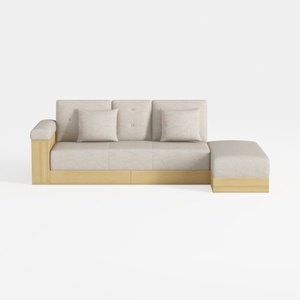
Sofa 84.65" Convertible Sofa Bed with Storage Otto
Discover your inner designer with Homestyler! This user-friendly platform offers an intuitive online design tool, stunning 3D renderings, and a wealth of inspiring design projects. Plus, you can learn through DIY video tutorials. Bring your creative home ideas to life effortlessly!
Zaprojektuj teraz za darmo
































