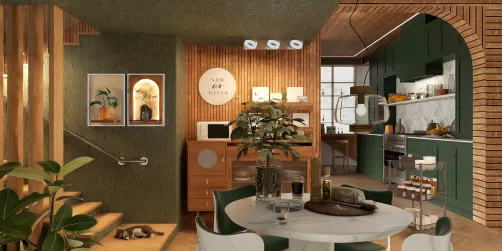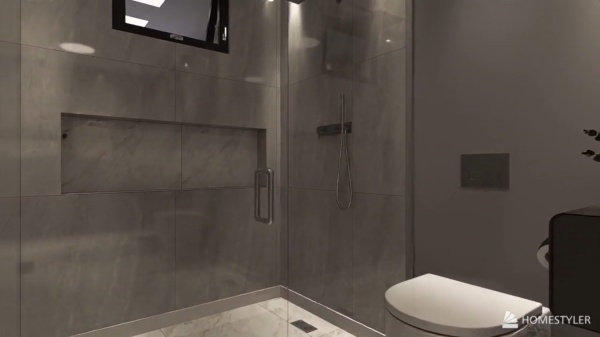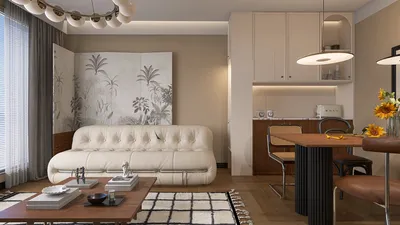


When designing a ground-floor AC layout, many resources focus exclusively on the ideal positioning of air conditioners to ensure optimal cold airflow. However, through a decade of practical experience in interior design, I've realized that such airflow-centric theories often overlook important behavioral dynamics and potential hazards—especially in relation to comfort zones, energy expenses, and cohesive design. My approach emphasizes that an effective ground-AC room layout should consider how you genuinely utilize the space, blending temperature distribution, traffic flow, window placements, and aesthetic integration. By understanding the delicate balance of AC placement, including issues like unintended drafts and heat pockets, you can achieve a level of comfort that standard designs often fail to provide. Let’s delve into how a designer’s insightful, data-informed strategy can enrich your day-to-day experience and save you time and costs.
Many articles tend to discuss AC positioning in a vacuum, failing to take into account the daily activities, the room's intended functionality, or advancements in smart-home technology. Research from the NAHB indicates that 67% of homeowners express regret over layout choices that disregard realistic usage patterns. Thus, based on my findings, a successful ground-AC room layout always commences with a behavioral analysis: Where do people congregate? What paths do they naturally follow through the room? Where is comfort paramount during heatwaves or brisk mornings? It goes beyond just ensuring cold air reaches your favorite chair; it is about establishing dynamic comfort, conserving energy, and achieving seamless design. For those eager to visualize different configurations, utilizing an AI Interior Design tool can open up possibilities you may not have previously considered, including options with Homestyler.
How Do Ground-Floor AC Layouts Impact Usability?
In contrast to most guidelines which emphasize theoretical airflow, I argue that the usability of the ground-AC room layout must take precedence. Consider the following: Where do natural pathways align with AC vents? In my experience as a designer, neglecting to consider walkways or lounging areas can result in obstructed airflow or unacceptable chills. Houzz suggests that incorporating AC units into built-in cabinets close to seating arrangements not only enhances the overall aesthetic but also improves ventilation.
What Are the Hidden Costs of Poor AC Room Layouts?
While standard practices usually address basic comfort, I’ve discovered that improper AC placement can lead to unexpected expenses: inflated utility bills, inconsistent cooling, and increased wear on your units. Data from the NAHB reveals that flawed layouts can elevate AC energy consumption by as much as 25%. The hidden issue? An expedient setup today can lead to significant complications down the road. Thoughtfully planning your layout—prior to AC installation—will benefit you for years to come.
How Can You Optimize Layout for Both Comfort and Efficiency?
Research indicates that the best outcomes arise from integrating spatial design with thermal mapping. Carefully mapping out where you place seating, beds, and workspaces helps avoid drafts and heat accumulation. Ensure that windows, doors, and air conditioning work harmoniously rather than competing with each other. Do you need assistance visualizing this cohesive arrangement? Utilizing a modern 3D Floor Planner, like the one offered by Homestyler, can illuminate how AC influences various zones within the room.
Should AC Placement Dictate Furniture Arrangement?
From my design experience, the placement of air conditioning should not be an afterthought. Changing the process so that AC configuration shapes your space planning often yields the most ergonomic and comfortable outcomes. Unlike most resources suggest, I recommend reassessing your furniture layout after determining AC placement to prevent obstructing vents and disrupting airflow.
Are There Common Mistakes with Ground AC Room Layout?
Homeowners commonly underestimate the impact of solar exposure, wall obstructions, or ceiling heights. I’ve encountered numerous rooms where the AC’s cool air fails to reach the most frequented areas. According to Energy.gov, even minor obstacles can reduce AC efficiency by 15-20%. Diligent pre-planning and simulated testing can preempt these setbacks prior to costly installations or furniture acquisitions.
What Role Do Smart AC Controls and Zoning Systems Play?
While many designers overlook technological advancements, I wholeheartedly support the inclusion of smart thermostats and zoning systems in ground-AC layouts. These innovations adjust cooling according to real-time room occupancy, significantly reducing waste and improving comfort levels. Statista reports that the smart home segment for climate control has expanded by 12% annually, showcasing a prime opportunity to future-proof your environment.
How Do Ground AC Layouts Influence Overall Design Aesthetics?
Contrary to most guides that view AC units as unsightly elements, I propose seamlessly integrating AC aesthetics with wall textures, furniture choices, and decorative features. Skillfully concealed units can act as design enhancements rather than distractions, fostering cohesive and visually attractive interiors. Advanced visualizations with tools like AI Floor Planner can aid in assessing these design impacts before actual implementation with Homestyler.
What’s the Market Gap for Next-Gen AC Room Layouts?
Through my years of consultancy, I perceive an increasing demand for personalized, data-informed AC room configurations. Most existing guidelines rely on outdated concepts, yet genuinely user-focused, visually enhanced solutions remain alarmingly scarce. Take advantage of this market opportunity by planning proactively—and enjoy a home that is consistently cool, comfortable, and cost-efficient every day.
Answer Box
A well-structured ground-AC room layout should truly reflect how spaces are used in practice, rather than adhering strictly to airflow theories. Emphasizing movement patterns, energy efficiency, and design coherence results in greater comfort and savings compared to conventional methods that focus primarily on vent placements.
FAQ
Ready to enhance your space? Explore how reimagining your living areas with tools like Room Planner can lead to energy-efficient layouts that boost both comfort and utility savings. A strong, data-driven design philosophy truly makes all the difference, especially when using platforms like Homestyler.
Originally incubated at Autodesk, Homestyler has grown into one of the most widely adopted home design platforms in the world, now trusted by over 20+ million registered users (platform data, 2026). Whether you're a homeowner exploring ideas or a professional designer delivering client-ready renders, Homestyler brings industry-leading 3D technology to your fingertips — no experience required.
Homestyler is your go-to online home design platform! With its user-friendly design tool, stunning 3D renderings, and a wealth of DIY video tutorials, you can effortlessly create and visualize your dream spaces. Whether you're a beginner or a seasoned designer, Homestyler inspires creativity and makes home design accessible to everyone!
Projete agora para LIVRE










![[For my dearest Sabrinik 🧡]](https://hs-designs.homestyler.com/production/design/images/3f463715-5ed6-4c49-9346-16d464510aa6/1714085722568.jpg?x-oss-process=image/resize,w_502,m_mfit/format,webp)