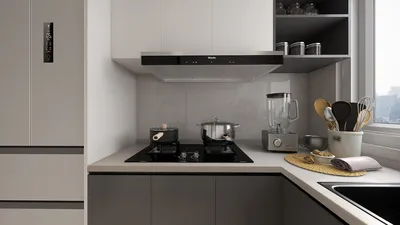


I plan gas hobs similarly to how I would design any intensely used workspace: first optimizing for reach, sightlines, and heat management, then incorporating aesthetics. In smaller kitchens, every inch is critical—factors like clearances, burner arrangement, and ventilation significantly influence the cooking experience and overall ambiance.
Using performance benchmarks can provide a foundation for design decisions. The WELL v2 Kitchen guidelines stress the importance of effective ventilation and controlling sources to minimize cooking pollutants. Following WELL v2 standards highlights the necessity of maintaining good indoor air quality. From an ergonomic perspective, reaching more than 450–500 mm can increase strain; industry ergonomics recommend neutral shoulder positioning and reduced forward bending, aligning with principles from the Chartered Institute of Ergonomics & Human Factors. I strategically size and position gas hobs to ensure safe, neutral movements for primary users.
Layout decisions can also be informed by design research. For instance, Steelcase studies show that task efficiency is enhanced when frequently used actions are co-located—this means that in kitchens, prep areas and sinks should be easily accessible from the hob to reduce unnecessary movements. I like to view the “heat-prep-clean” triangle as a flexible flow line, adapting it to actual behaviors and spatial constraints instead of adhering to strict geometrical shapes.
Select the Right Hob Size for Your Space
Larger cooktops can hinder workflow in compact areas. In narrow galley kitchens or studio setups, a 60 cm, four-burner gas hob with staggered burner placement typically meets daily cooking needs while preserving the necessary space for food preparation and serving. For ultra-compact kitchens, a 30–45 cm domino-style two-burner unit can be a practical centerpiece and still accommodate family meals through smart sequencing. If entertaining over the weekend requires more capacity, consider combining a compact main hob with a portable single-burner cartridge that can be easily stored away.
Efficient Layouts for Safety and Speed
Ensure the hob is situated 300–450 mm away from tall appliances or walls to minimize heat buildup and prevent elbow collisions. Aim for 400–600 mm of clear landing space adjacent to at least one side of the hob for placing hot pans safely. In L-shaped layouts, I avoid tucking the hob into a corner; this can lead to overhanging pans, conflicting handles, and inadequate ventilation. If your cabinet length is limited, I recommend using a room layout tool to simulate various configurations and check for clearances, handle swings, and workflow paths before finalizing designs.
Ergonomics: Consider Heights, Reaches, and Controls
Comfort lies in the finer details: a cooktop height around 860–920 mm is ideal for most adults to maintain a neutral elbow posture. Side-mounted or front-facing knobs help mitigate the risk of reaching over hot surfaces; however, if opting for front knobs, child-safety features are essential—consider recessed controls or lockable designs in homes with children. Aim for a 500–600 mm reach envelope for commonly used ingredients (oils, spices) to minimize movement and allow cooks to focus on their culinary tasks.
Effective Ventilation Solutions
Quality ventilation is essential when using gas. A canopy hood should be at least as wide as the hob and extend 50–75 mm beyond the front burners to capture more cooking fumes. Ducted hoods are superior to recirculating options for effectively removing moisture and combustion products. To minimize glare and enhance visibility over gleaming pans, I advocate for dimmable warm-to-neutral task lighting, in line with guidelines from the Illuminating Engineering Society.
Burner Configuration: Placing Power Where Needed
A configuration consisting of one high-output burner (ideal for searing and boiling), two mid-range burners, and one gentle simmer zone accommodates most cooking styles. I typically position the power burner at the front-left or front-right for easy access with heavy pots, while keeping delicate cooking tasks towards the back. For those who frequently use woks, think about incorporating a dedicated high-BTU burner with a recessed cradle; for long-simmering sauces, a dual-ring simmer option is beneficial as it allows for fine adjustments without cycling.
Choice of Surface Materials and Easy-Clean Finishes
Tempered glass cooktops present a sleek appearance, reflecting light and creating a sense of spaciousness in smaller kitchens, although they may show fingerprints quickly. Brushed stainless steel is more forgiving, harmonizing with various appliances and withstanding thermal shocks. Enamel-coated steel offers durability and reparability, making it suitable for rentals. Ensure to pick cast-iron pan supports with wide bases to distribute weight evenly; removable, segmented grates are also ideal for fitting into apartment sinks for hassle-free cleaning.
Heat, Light, and Visual Comfort in the Kitchen
Cooking introduces various brightness levels—reflective oils, dark pans, and shiny tiles. I recommend installing task lighting in the 3000–3500 K range over the hob to balance warmth and color rendering, ensuring a unified color temperature with adjacent surfaces. Minimize glare with under-hood baffles and opt for matte finishes on backsplashes. Layered lighting, including ambient, task, and low-level night guides, helps reduce visual strain during late-night cooking sessions.
Integrating Color Psychology with Practical Finishes
Colors can influence behavior and mood. Cooler neutral shades around the hob offer a cleaner and calmer atmosphere under warm flame tones, while a subdued green or soft clay tile introduces a sense of warmth without appearing chaotic. For those looking to make a vibrant statement, it’s advisable to restrict bold colors to narrow accents or upper cabinetry to maintain a visually serene cooking area—this approach encourages focus, aligning with insights from color psychology.
Safety Clearances and Compliance
Adhere to the manufacturer's specified distance from combustibles—usually between 650–760 mm from the hob to the hood for gas setups, but always consult the specific model manual for confirmation. Ensure a minimum of 100–150 mm side clearance for handles next to tall panels or appliances. When installing a splashback, utilize tempered glass, porcelain, or metal; avoid unsealed stone near the flame, as it can be damaged and stain.
Smart Solutions for Small Spaces
- Center a narrow 60 cm hob on a 900–1200 mm island to preserve prep areas on both sides.
- Incorporate a pull-out spice and oil pantry within 500 mm of the dominant burner.
- Opt for a flush-mount hob design along with a slender counter edge to create a more spacious appearance.
- Include a slide-away or flip-up counter extension beside the hob for effortless additional workspace.
- Install magnetic knife strips away from heat yet within easy reach.
Future Trends for 2024–2025: Emphasis on Quiet Technologies and Tactile Metals
Design trends are leaning toward quieter surfaces and tactile details: low-sheen stainless steel, graphite enamel, and textured metal knobs provide a professional and grounded aesthetic. Seamless flush installations and monotone grates contribute to visual calm. Behind the scenes, advanced safety features such as flame-failure devices, re-ignition safety, and automatic shut-off timers are standard in high-end units—these are crucial investments for busy households with multiple users.
Acoustic Considerations for the Kitchen Experience
The noise level of a hood can significantly affect the kitchen's social atmosphere. Whenever feasible, opt for remote or inline fans. To enhance sound absorption, add soft mineral-wool liners to wall cavities and use fabric-wrapped seating or cork underlayment to temper hard surfaces. A quieter kitchen environment encourages conversation and makes shared cooking experiences less tiring.
Storage Strategies Surrounding the Hob
Store heavier pots at knee to waist height and find a narrow rail to vertically organize lids just outside the splash zone. Install shallow shelves for salts and frequently utilized spices at least 250 mm away from the hottest burner. Consider drawer peg systems to reduce rattling of pots and facilitate quicker access.
Planning Workflow: Prototype Before Finalizing Designs
I draw reach arcs from the hob to the sink and primary prep areas. Then, I create mock-ups with cardboard to visualize burner clearances on the counter. A quick check using a digital interior layout planner aids in identifying conflicts such as door swings interfering with handles, mismatches in hood width, or cramped pathways before installing cabinetry.
Maintenance Strategy: Planning for Everyday Use
Specify sealed burners and lift-off knobs for easy cleaning. Favor continuous grates to allow sliding pots without lifting. Maintain a shallow, heat-safe tray on the landing zone for oil bottles during cooking, then store them away after use to minimize messes.
Budgeting Priorities
Prioritize spending on ventilation systems first, followed by burner quality and essential safety features. Save money by opting for standard cutout dimensions (60 or 75 cm), which increase the range of available brands. If opting for a standout feature, let it be the hood—serving as both a functional and aesthetic centerpiece that enhances air quality daily.
Frequently Asked Questions
A 60 cm, four-burner hob strikes a balance between versatility and maintaining counter space. In situations where space is extremely limited, a combination of a 30–45 cm domino two-burner alongside a portable single-burner unit can adequately meet peak cooking demands without encroaching on prep areas.
Most manufacturers recommend a distance of about 650–760 mm from the hob to the bottom of the hood for gas setups. Always refer to the specific product manual and local code requirements, ensuring the hood is sufficiently wide in relation to the hob.
Ducted ventilation is superior for effectively removing moisture and combustion byproducts. If ducting is not feasible, choose a high-quality recirculating unit with strong filtration and ensure that filters are cleaned regularly, though expect reduced overall performance.
An ideal setup includes one high-output front burner, two mid-range burners, and a specific low-simmer zone that caters to most cooking needs. Arrange the power burner at the front for easy heavy pot handling, while delicate cooking can be managed towards the rear to control splashes and heat.
Materials such as porcelain slabs, compact sintered stone, and well-sealed quartz handle heat effectively and are easy to clean. Utilizing a tempered glass or metal splashback directly behind burners enhances durability and simplifies cleanup.
Opt for 3000–3500 K task lighting featuring dimmable capabilities, along with matte or low-sheen finishes for backsplashes, and hoods designed with baffled lighting functions. A balanced approach with ambient and task lighting minimizes harsh glare from reflective surfaces.
Keep necessary items within a 500–600 mm reach of the primary burner, while ensuring they are located out of the direct heat path—ideally situated in a pull-out area beside the hob or on a shallow shelf set laterally at least 250 mm away.
Front-mounted knobs are ergonomic but necessitate safety measures: opt for recessed controls, child-lock features, or side-mounted controls that maintain ease of access while lessening the risk of accidental activation.
Avoid placing the hob in a corner; instead, center it on one side with 400–600 mm of clear landing space on at least one side. Before finalizing, use a layout simulation tool to evaluate pan handle clearance and door swing space.
Select a larger, quieter hood, contemplate remote or inline fans, and soften the environment with materials such as seat cushions, curtains, or cork flooring to dampen sound reflections in compact kitchen settings.
Homestyler is your go-to online home design platform, perfect for creating stunning interiors effortlessly. With its user-friendly design tool, impressive 3D renderings, inspiring design projects, and helpful video tutorials, you can easily turn your decorating dreams into reality. Unleash your creativity today!
Progetta ora GRATIS
































