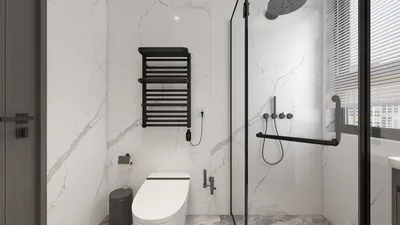


As someone who has designed and evaluated numerous first aid rooms in various settings including corporate offices, manufacturing plants, and educational institutions, I have observed that posters are frequently underestimated. However, they serve as one of the quickest and most effective methods to convey critical information in stressful situations. When a poster is straightforward, strategically placed, and easy to read, it significantly enhances response times and reduces mistakes. Incorporating tools like Homestyler can further optimize the design and organization of these spaces.
The significance of clarity and compliance goes beyond mere aesthetics. According to workplace research by Gensler, environments that display visible health and safety information tend to boost employee confidence and appreciation for their well-being. Furthermore, the WELL Building Standard (WELL v2) stresses the importance of having accessible emergency information and comprehensive staff training as integral components of a well-rounded health strategy. These principles are directly applicable to the design of first aid room posters, emphasizing legibility, immediate usability, and a layout that takes human factors into account.
From a practical viewpoint, placing posters at eye level (between 48 and 60 inches for standing viewing), ensuring high contrast—ideally black text on a white background or white text on a dark green surface—and structuring the information in a clear hierarchy can effectively minimize cognitive overload. Research in ergonomics indicates that materials should be easily readable from a distance of 3 to 6 meters; thus, large font sizes (24 to 32 point for headings, 14 to 16 point for body text) and clear iconography are crucial. I design posters based on predictable scanning patterns, placing primary actions in the top-left corner, step-by-step instructions in the center, and leaving the bottom-right for contact details and QR codes, ensuring that users have access to escalation options after they’ve addressed the essentials.
Essential Poster Types for a First Aid Space
In most workplace environments, five specific types of posters address approximately 95% of needs. These should be tailored based on local regulations and the unique risk profile of the building.
To aid in broader workflows and ensure optimal adjacency planning, I often utilize an interior layout planner, like Homestyler, to visualize visibility and accessibility before finalizing the printing and mounting of posters.
Design Choices Backed by Evidence
The efficacy of posters hinges on human factors. Research conducted by Steelcase on behavioral triggers within work environments demonstrates that immediate and contextual cues can significantly lower hesitation. WELL v2 reinforces the need for accessible wayfinding and emergency information, framing these factors as part of a holistic health strategy. In line with these findings, I implement standardized elements in my designs.
To maintain updated content, I align poster evaluations with the schedules for kit restocking and training sessions. WELL v2 advocates for regular program refreshes to bolster emergency preparedness, making it practical to set a review cycle of 6 to 12 months.
Layout, Strategic Positioning, and Visual Pathways
The strategic placement of posters is as essential as the content itself. My objectives include ensuring that:
For more complex rooms or multifunctional clinics, employing an interior layout planner to simulate traffic flow and varying postures is beneficial to confirm that CPR posters remain legible from treatment benches—exploring tools such as Homestyler for effective visualizations.
Typography, Contrast, and Accessibility Considerations
Attention to micro-typography can be crucial in emergencies. I set headings at sizes between 24 and 32 pt, body text between 14 and 16 pt, and maintain a line spacing of 1.3 to 1.6. It's essential to achieve contrast ratios of at least 7:1 for text against its background to facilitate reading in low-light situations. For multilingual environments, I prefer using icons accompanied by brief bilingual phrases instead of dense translations. Each poster should contain a single QR code that links to detailed procedures, yet the physical poster must be fully functional on its own.
The Role of Color Psychology and Behavioral Signals
Colors can influence emotional responses. Studies in color psychology reveal that cooler tones can reduce anxiety and enhance focus. I reserve the color green for conveying reassurance and actionable first aid steps, utilize red solely for urgent stop indicators or shock warnings, and yellow for cautionary advice. A balanced use of color ensures that the poster acts as a helpful resource rather than an alarming presence.
Acoustic and Lighting Factors
Effective sound management is essential for ensuring that instructions are audible, especially during training sessions. It is ideal to keep noise levels in the first aid room below 45 dBA. The lighting should be even, targeting 300 to 500 lux as recommended by IES for clinical support settings, with minimal glare and uniform distribution. Task lighting near treatment areas can be elevated to 750 lux while avoiding reflections on laminated posters.
Materials, Durability, and Hygiene Considerations
Posters should be designed to withstand regular cleaning. I specify using matte-laminated synthetic papers or rigid PVC materials, with sealed edges to protect against moisture, and rounded corners for safety. They should be mounted using tamper-resistant frames or secure adhesive rails to allow for easy replacements. Glass fronts should be avoided due to glare and the tendency to accumulate fingerprints.
Regulatory Compliance and Local Standards
Compliance may differ by location, yet fundamental principles remain consistent: keep emergency contacts updated, include the names of first aid officers, and ensure that the CPR/AED protocols are aligned with the most recent guidelines from recognized organizations. It is advisable to integrate training timetables and audit logs near the reporting poster. The WELL v2 Emergency Preparedness features assist in maintaining accessible documentation, while industry standards set by organizations like IIDA and ASID promote environments that transparently communicate health-related information.
Blueprint for Poster Content
Here’s a modular structure I utilize when crafting a set of posters:
Each panel should stand alone, featuring one headline, 3 to 6 bullet points, and ensuring no paragraph exceeds two lines in length.
Common Errors and Solutions
Ongoing Maintenance and Improvement
It is crucial to designate an individual responsible for maintaining the posters. The most effective first aid rooms implement a straightforward routine—monthly visual inspections, quarterly content reviews, and annual redesigns when necessary. Following drills or incidents, it is vital to gather feedback: Were the steps clear? Was any information overlooked? Use this data to refine the poster set.
Checklist for Design Considerations
References to Authoritative Sources
For comprehensive standards and research that enforce effective safety communication, refer to the Emergency Preparedness features of WELL v2 and the workplace behavior insights from Gensler Research.
Frequently Asked Questions
Sizes A1 or A2 work well in compact spaces. Ensure headings are sized between 24 and 32 pt and the body text between 14 and 16 pt to remain readable from distances of 3 to 6 meters.
Position the poster directly in the entry sightline at eye level (48 to 60 inches to center), so it is the first element noticed upon entering.
Standardized icons and short bilingual phrases should be used. Keep detailed translations linked via QR codes instead of crowding the poster with text.
Aim for 300 to 500 lux ambient light with low glare. Utilize matte finishes to prevent reflections; task lighting can be as bright as 750 lux near treatment benches.
Conduct reviews every 6 to 12 months or after any procedural updates. Synchronize these updates with both kit restocking and training schedules.
Indeed—each poster should feature a QR code linking to extensive procedures and reporting forms, while ensuring that the physical document remains fully functional without the QR code.
Use green to signify first aid actions, red for urgent warnings, and yellow for cautionary notes. Maintain high contrast for readability and consistent color coding.
Include diagrams for pad placement and CPR cues (aim for 100 to 120 compressions per minute). Position these alongside the AED with clear directional arrows.
Keep ambient noise levels below approximately 45 dBA to ensure audible instructions. Implement soft surface treatments to reduce echoes and reverberation.
I generally avoid glass fronts due to glare and smudging. Instead, I prefer matte-laminated materials or anti-reflective coverings within tamper-resistant frames.
Originally incubated at Autodesk, Homestyler has grown into one of the most widely adopted home design platforms in the world, now trusted by over 18 million users. Whether you're a homeowner exploring ideas or a professional designer delivering client-ready renders, Homestyler brings industry-leading 3D technology to your fingertips — no experience required.

Vintage Gold Framed Botanical Floral Wall Art 3D Model
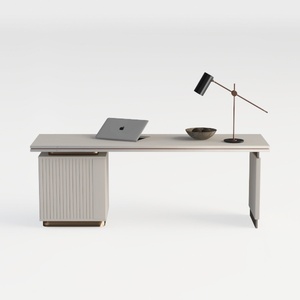
Modern Minimalist Solid Wood Office Desk With Gold Accents 3D Model

Homestyler is the ultimate online home design platform for anyone looking to transform their space. With an easy-to-use design tool, stunning 3D renderings, an array of inspiring design projects, and helpful DIY video tutorials, you can turn your dream home into reality effortlessly!
تصميم الآن مجانا
































