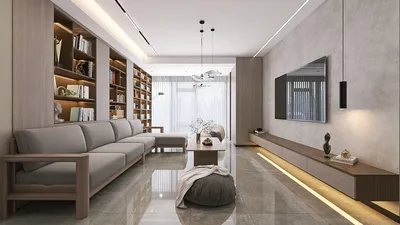


I specialize in creating window treatments that promote cooling in apartments, bedrooms, and offices where air conditioning is essential. When clients inquire about the optimal curtains for rooms with AC, I consider factors such as thermal regulation, glare management, acoustic comfort, and the way fabric interacts with natural light. A key finding is that the lining, weave density, and fit of the curtain significantly influence the room's temperature, often more so than the outer fabric. Steelcase has found that access to comfortable lighting is crucial for workplace performance, with 68% of employees wanting the ability to adjust light levels—curtains serve as a straightforward solution to balance light without overworking the AC system. The WELL Building Standard (WELL v2, Light) emphasizes that managing glare and contrast fosters visual comfort and minimizes strain, which can help users feel cooler and more relaxed.
Regarding energy consumption and the influence of daylight: research from Gensler indicates that access to natural light consistently ranks as one of the top attributes supporting human performance in work environments. By combining daylight with appropriately designed thermal curtains, one can effectively reduce cooling loads by minimizing solar heat gain during peak hours—this is especially relevant for east- and west-facing environments. From a lighting engineering perspective, the Illuminating Engineering Society (IES) suggests maintaining appropriate luminance ratios to prevent glare; a well-chosen curtain acts as a cost-effective barrier that softens brightness before it reaches work surfaces or screens, assisting your AC in maintaining a stable temperature setting.
In bedrooms, both color temperature and psychological color aspects are as important as thermal efficiency. According to Verywell Mind, shades of blue and green are seen as calming and cool, which can enhance the psychological perception of coolness. I tend to select fabrics in cool grays, muted blues, or soft greens with a matte finish to reduce reflections. This aesthetic approach is nuanced yet impactful: when the color scheme is interpreted as cool and shaded, room occupants often report greater comfort at identical thermostat settings. Using Homestyler can be a valuable approach to visualize such effects.
What Qualifies a Curtain as 'AC-Room Ready'?
When an air conditioning unit is heavily relied upon, I seek out curtains designed to either obstruct or reflect infrared heat, stabilize daylight, and fit windows with precision. Key characteristics include:
Fabric Types That Enhance Cooling in AC Spaces
I have evaluated these fabric categories across various apartments and hospitality projects:
Sizing and Installation for Optimal Cooling Performance
Even the finest fabric can fall short if incorrectly sized. I typically recommend oversized panels to prevent light leaks, which can increase radiant heat on floors and furnishings. Strive for 2–2.5 times fullness to create improved air pockets and draping. Ceiling-mounted tracks allow the fabric to expand over the wall, enhancing both insulation and visual height. If you're experimenting with different configurations before finalizing hardware, utilizing a layout simulation tool like Homestyler can assist in accurately assessing stack depths and ensuring no interference with AC vents or radiators.
Color and Texture: Achieve a Cooler Atmosphere Without Adjusting the Thermostat
Colors within the cool spectrum—such as blue-grays, slates, and eucalyptus—soothe the space and diminish the sensation of heat. Semi-matte or matte finishes help reduce specular highlights, thereby lowering visible “heat.” I avoid high-gloss fabrics on west-facing windows, as their reflective qualities can exacerbate glare within the room. If you favor warm colors, it’s advisable to limit them to small accents while anchoring drapery in a neutral, cool tone.
Light, Glare, and Visual Comfort
Comfort in a room equipped with AC transcends mere temperature control. Quality curtains effectively balance luminance contrast throughout your field of view, particularly near screens. A dual-layer solution (sheer during the day, dim-out at night) accommodates work-from-home setups: sheers can reduce 30–60% of daylight glare depending on their weave while dim-outs manage late afternoon spikes. This approach aligns with the WELL Light objectives regarding glare control and occupant autonomy, providing a straightforward way for users to adjust their environment without increasing AC output.
Noise and Privacy: Unseen Advantages
Thicker curtains can offer a noise reduction of about 3–5 dB in typical settings; the importance of lining and fullness supersedes weight alone. In bedrooms, this slight attenuation can effectively minimize street noise that would otherwise cause the AC to work harder to mask it.
Hardware and Hanging Styles That Enhance Performance
The specifics of hardware play a crucial role in thermal efficiency:
Tailored Recommendations for Each Room
Opt for blackout or high-quality dim-out curtains with interlining. Select a cool-toned palette, ideally with a matte finish, and include a pelmet if feasible to ensure effectiveness. Aim for a floor kiss or half-inch break to limit drafts.
Implement a sheer + dim-out combination on a double track. The sheer component mitigates daytime glare, while the dim-out layer can be drawn during peak heat hours. Reflective linings may be advantageous for west-facing windows.
Choose dim-out curtains with a tightly woven sheer. This maintains clarity on screens without making the room overly dark. Neutral, cool grays help stabilize color temperatures during video calls.
Utilize ceiling-mounted ripplefold sheers with a concealed dim-out at the back. This vertical application enhances the room’s appearance while supporting AC efficiency.
Health and Sustainability of Materials
I prioritize textiles that are OEKO-TEX certified and use low-VOC backings. Polyester blends with recycled materials excel in resisting humidity and UV damage. Natural fibers such as linen and cotton benefit from an additional thermal lining to prevent yellowing caused by sunlight. Whenever possible, I opt for solution-dyed yarns, ensuring they resist fading in brightly lit areas.
Maintenance and Durability in AC Spaces
Air conditioning can dry indoor air, leading to increased static on synthetic fabrics. Using anti-static treatments or a light fabric softener (if permitted by care instructions) is beneficial. Regularly vacuum with a brush attachment to maintain cleanliness and promptly address any spots. Steam cleaning from the underside helps maintain the integrity of the backing.
Common Oversights to Avoid
Quick Reference Guide for Specifications
Frequently Asked Questions
Q1: Do blackout curtains actually reduce the workload on the AC?
A1: Indeed. By blocking solar heat gain at the windows, blackout or high-quality dim-out curtains decrease the radiant load within the room, allowing the AC to maintain the desired setting with fewer operating cycles, particularly during peak sunlight hours.
Q2: Are triple-weave curtains sufficient for a bedroom, or is full blackout necessary?
A2: For the majority of bedrooms, a well-constructed triple weave with interlining suffices. If light sensitivity is an issue or if street lighting is intrusive, opting for full blackout is advisable to ensure darkness and thermal stability.
Q3: What curtain colors are most effective for keeping rooms cool?
A3: Lighter linings (white or reflective) are most efficient against heat. Utilizing cool-tone colors (blue-gray, sage) on the room side can psychologically enhance the perception of coolness and diminish perceived warmth.
Q4: How should curtains be sized for optimal thermal performance?
A4: Extend at least 8–12 inches beyond each side and mount 6–10 inches above the window or to the ceiling. Target a fullness of 2–2.5x and ensure returns to the wall to minimize side leaks.
Q5: Do sheers contribute to cooling?
A5: On their own, sheers provide modest heat control while excelling at glare reduction. When paired with dim-out or blackout layers, they form a versatile system—sheers handle daytime glare while heavier fabrics manage midday heat spikes.
Q6: Do pelmets or cornices actually impact efficiency?
A6: Yes, they help retain rising warm air that would otherwise escape behind the curtains, enhancing insulation at the top and maintaining cooler air in the occupied space.
Q7: What about sound control in an AC room?
A7: Heavier, lined curtains can achieve a noise reduction of 3–5 dB in common areas, softening urban noise and lessening the need to increase fan speed for masking.
Q8: Are reflective or metallic linings durable and safe?
A8: Quality reflective linings remain stable when properly selected and maintained. Opt for low-VOC, PVC-free backings and adhere to care instructions to prevent delaminating.
Q9: How can I prevent condensation behind curtains while the AC is running?
A9: Maintain a slight air gap at the window and avoid direct contact between blackout foam and cold glass. Regularly open the curtains during non-peak hours to promote ventilation.
Q10: Is it possible to use natural linen while ensuring the room stays cool?
A10: Certainly—pair linen with a separate thermal lining or interlining to enjoy the texture while benefiting from proper insulation and improved draping abilities.
Q11: What heading style offers the best performance?
A11: Ripplefold or wave headings maintain uniform fullness, creating a consistent insulating layer compared to flat panels or grommets with insufficient fullness.
Q12: Does curtain length play a role in cooling efficiency?
A12: Yes. Floor-length curtains that lightly skim the floor can reduce convective drafts at the base, whereas excessively long curtains can inadvertently allow air to flow underneath too easily.


Looking to transform your home effortlessly? Try Homestyler! This user-friendly online platform offers a powerful design tool, stunning 3D renderings, an array of inspiring design projects, and comprehensive video tutorials. Whether you're a novice or a pro, creating your dream space has never been easier!
Design Now for FREE
































