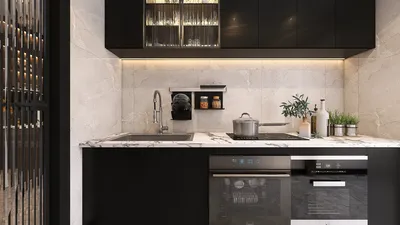


Cloud kitchens are all about efficiency, where even a few seconds can impact order throughput dramatically. In my experience, reducing the time taken for a station-to-pass journey by 20–30 seconds can significantly enhance performance. This strategy aligns with Steelcase's research that shows how minimizing task friction can lead to observable improvements. For kitchens focusing solely on deliveries, that's why it's crucial to prioritize factors like line-of-sight, hand reach, and organizing queues, in addition to perfecting recipes. Utilizing tools like Homestyler can aid in optimizing these layouts efficiently.
Creating an environment that promotes operational comfort is essential for maximizing capacity. The WELL v2 framework connects factors such as light, air quality, and movement to physical outcomes that influence accuracy and speed in the kitchen. Implementing proper lighting standards—task-specific zones at around 500 lux using a warm-neutral range of 3500–4000K for color accuracy—helps in reducing errors during plating and minimizing eye strain. Furthermore, I monitor sound levels closely; maintaining noise below 65 dBA at the expo area ensures communication remains clear even during peak hours.
Key Design Principles I Integrate Into Every Cloud Kitchen
A delivery-first approach shapes my layout. I chart the essential route from cold storage to hotline and then to dispatch. Factors such as batching and micro-queue setups determine whether riders need to wait or can move swiftly. I find that U-shaped or galley line designs coupled with a dedicated expo area often outperform disorganized island setups. When refining these options, I leverage a layout simulation tool—such as Homestyler—to visualize space allocations and movement paths before any installation begins.
Strategic Lighting for Enhanced Speed and Precision
Different areas require specific lighting: prep zones need 500–750 lux, expo areas 750–1000 lux, and circulation spaces 200–300 lux. It's vital to maintain a correlated color temperature between 3500–4000K to accurately portray food colors. Excessive glare can slow down work; thus, I choose matte finishes, shielded lighting fixtures, and indirect lighting over stainless surfaces to mitigate hot spots. Adhering to IES lighting standards plays an important role in aligning lux levels with task importance, particularly during cutting, garnishing, and quality control checks.
Optimizing Ergonomics with Ticketing Pace
I establish primary reach zones within 400–600 mm and secondary zones at 600–900 mm to ensure 80% of the tasks can be performed in neutral postures. Ideal counter heights are around 900 mm for prep work and 1000–1050 mm for plating at standing stations. Incorporating anti-fatigue mats with beveled edges aids in reducing slips and knee strain during long shifts. This focus on ergonomics directly impacts efficiency, as repetitive movement patterns can minimize the small delays that accumulate into significant order losses throughout the day.
Thermal and Acoustic Design Considerations
It's imperative to separate the hot line exhaust from dough and pastry work areas to avoid drying and temperature fluctuations. I favor double-buffer pass-through designs at peak heat and noise spots, using high-MERV filtration along with strategic hood placements. For sound control, I recommend using hard, cleanable surfaces combined with acoustical baffles or perforated ceilings to minimize echoing. When mapping out corridors, maintaining widths between 0.8–1.2 m is crucial; wider paths can inadvertently invite traffic collisions.
Menu-Centric Station Design Principles
The kitchen layout should be guided by the SKU map. For multi-brand operations, grouping similar preparations—such as greens and sauces—at a central make table is productive, while high-heat or allergen-sensitive operations should be contained within sealed pods. Always ensure warm holding areas are located adjacent to the expo—never across an aisle. Each 90-degree turn eliminated at the pass saves valuable seconds during every handoff.
Cold Chain Management Best Practices
Position walk-in coolers near the receiving area, ensuring they don’t obstruct the dry storage pathways. Clearly label the shortest route from the chilled storage to the line using floor graphics; maintaining temperature integrity is often about routing efficiency. I recommend glass-door uprights for frequently accessed items to reduce the time doors remain open and to enhance stock visibility. Integrating sensors with the Homestyler app can provide alerts when temperature thresholds are compromised, triggering standard operating procedures to mitigate food safety risks before they arise.
Essential Smart App Features for Kitchen Efficiency
Having real-time line load monitoring allows me to display station-level capacities. This way, auto-throttle features can pause low-margin SKUs during peak periods. Implementing ticket aging with color coding reduces the cognitive burden on staff. Additionally, utilizing forecasting that combines past order patterns with local events can help prevent over-preparation and minimize waste. The most effective apps reflect the kitchen line structure—modules should be designated by stations rather than generic labels.
Streamlined Rider Handoffs
It's vital to keep drivers away from the kitchen workflow. A vestibule with temperature-controlled holding cubbies, QR code verification, and clear signage can drastically reduce waiting times. I recommend establishing a one-way circulation route and utilizing bright lighting (3,500–4,000K) over pickup shelves to facilitate self-sorting for riders. Whenever feasible, separate lanes for third-party and in-house couriers to avoid queue overlaps.
Choosing Durable and Cleanable Materials
Select non-porous, NSF-certified work surfaces; install coved epoxy floors in wet areas; and opt for high-abrasion, matte finishes near fryers. Choose materials that disperse light without trapping grease, and steer clear of small-format tiles in high-soil regions due to grout maintenance concerns.
Implementing Efficient Data Feedback Mechanisms
I conduct weekly reviews that analyze metrics such as ticket times for each station, SKU waste, rider wait times, and lighting/HVAC variations based on sensor data. These insights result in actionable layout adjustments—like shifting a make table 300 mm closer to the grill or adding a new shelving tier—to enhance operations and align with software parameters including load balancing and prep alerts.
Prioritizing Safety and Clarity
Understanding color psychology is beneficial for staff well-being. I utilize calming cool neutrals in prep areas, paired with high-contrast markings around steps and equipment edges. Clear hierarchical signage—large for zones, smaller for instructions—decreases decision-making time and can significantly reduce near-miss accidents.
Flexible Layouts for Multi-Brand Scalability
Design the kitchen for quick adaptability: include quick-connect utilities, mobile prep carts, and ceiling grids for versatile drops. If a brand is phased out, the layout can transition smoothly with minimal downtime. While I model different configurations—such as galley, U-shape, or L-shape—I ensure clearances and proximity to delivery points are optimized using an interior layout planner to minimize operational risks during changeovers.
Efficient Lighting Controls and Energy Management
Implement schedules based on task requirements and use occupancy sensors in storage and corridors to optimize energy use without dimming essential areas. Ensure an excellent Color Rendering Index (CRI) of 90+ at the expo for true color representation. Emergency lighting should be glare-controlled to avoid washing out the pass during power outages.
Training Through Integrated Apps
Embedding micro-standard operating procedures within the ticketing system—such as reminders for knife changes, allergen alert flags, and FIFO prompts—ensures consistency while maintaining speed on the line. I favor dynamic checklists that adjust according to demand levels, automatically generated based on predictive analytics.
My Standard Commissioning Checklist
- Confirm lighting levels: prep at 500–750 lux, expo at 750–1000 lux, circulation at 200–300 lux
- Assess sound levels at the expo area, keeping it under 65 dBA during peak times
- Verify reach zones and countertop heights appropriate for each task
- Perform a dry run simulating two-hour rush periods with shadow tickets, noting potential collisions and workflow detours
- Validate rider circulation paths through time-stamped entries and departures
- Test load-throttle functions in the app with simulated high-demand scenarios
Frequently Asked Questions
Maintain main aisles at 1.0–1.2 m wide to accommodate two-person passes without conflict; a width of 0.9 m is effective in single-direction galley setups. Wider paths can lead to traffic issues unless flow is carefully managed.
Aim for lighting levels of 500–750 lux in prep areas and 750–1000 lux in expo, maintaining a color temperature around 3500–4000K. Use IES standards to verify task-dependent requirements and validate your lighting choices.
Design an efficient pickup vestibule with one-way flow, heated holding cubbies, clear signage, and QR code verification. Make sure to segregate in-house and third-party lanes to prevent queue mixing.
Monitor key metrics such as station load, ticket aging, SKU-level waste, rider waiting times, and sensor-driven lighting/HVAC variations. These metrics have direct implications for overall throughput and product quality.
Ensure 80% of item grabs are within a reach of 400–600 mm, set prep counters around 900 mm, and plating stations at 1000–1050 mm; implementing anti-fatigue mats is crucial. Reducing unnecessary twisting through U- or galley layouts increases efficiency.
Centralizing shared preparation spaces while isolating allergen or high-heat brands into secured pods is essential. Utilizing quick-connect utilities and mobile workstations allows for rapid reconfigurations as needed.
Incorporate washable acoustic baffles or perforated ceilings above the pass area, use rubber feet on metal carts, and schedule loud tasks during off-peak hours. The goal should be to maintain noise levels at expo close to or below 65 dBA.
Select NSF-rated non-porous surfaces, apply coved epoxy flooring in wet work zones, and opt for matte finishes that resist grease accumulation. Avoid grout-heavy materials in areas prone to heavy soiling to lower maintenance concerns.
Utilize app-based systems for integrating historical data with regional event forecasts and weather conditions. This allows for better alignment in demand-based staffing prompts and SKU auto-throttling during peak times.
Keep warm holding stations positioned right next to the expo and ensure CRI 90+ lighting for task accuracy. Guarantee that packaging stations are easily accessible and eliminate any 90-degree turns when approaching the pass.
Conduct a simulated two-hour rush with shadow tickets, meticulously documenting any collisions, detours, and delays at stations; adjust the layout and shelf placements accordingly before going live.
What began as an Autodesk innovation has evolved into a design platform used by more than 18 million people around the globe. Homestyler combines powerful rendering, an intuitive editor, and a vast furniture library to help you turn inspiration into photorealistic designs — whether you're redesigning a single room or planning an entire home.
Homestyler is an outstanding online home design platform perfect for anyone looking to create stunning spaces. With its user-friendly design tool, impressive 3D renderings, a plethora of design projects, and engaging video tutorials, you can effortlessly turn your home design dreams into reality!
Дизайн сейчас бесплатно
































