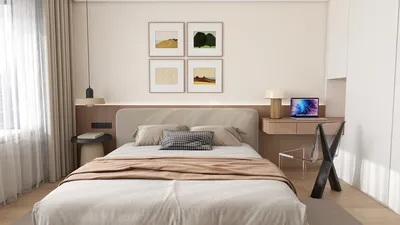


Transforming spare rooms into well-organized closets brings significant benefits: mornings become more orderly, evenings feel more relaxing, and your wardrobe becomes easily accessible. Thoughtfully designed closet spaces not only enhance daily life but also help maintain your home's resale value when the design allows for flexibility. The key to a successful closet lies in expertly balancing storage capabilities with spaciousness and lighting, ensuring the area feels curated rather than cramped.
Before finalizing the design, I consider essential human factors such as reach, aisle widths, and appropriate lighting. According to WELL v2, it's crucial to achieve balanced lighting while reducing glare. A suitable combination of ambient lighting measuring 300–500 lux, alongside 750–1000 lux task lighting situated at mirrors, ensures color accuracy and visibility, which is essential for dressing and makeup routines. Research by Steelcase highlights that visual clarity minimizes decision fatigue; thus, a closet designed with clear sightlines and sensible organization can positively impact daily habits.
The choice of color can dramatically influence the atmosphere. Neutral walls with high Light Reflectance Values enhance color accuracy, while calming accent tones like muted blues or soft sage can promote a sense of tranquility. Research from Verywell Mind suggests that shades of blue encourage calm and concentration, making them ideal for wardrobe spaces. For storage finishes, opting for closed units helps reduce clutter and dust, while open display areas showcase standout pieces, making selection quicker.
Evaluate the Room and Clarify Your Wardrobe Needs
Initially, I conduct an inventory and break down the ratio of hanging items, folded clothing, shoes, and accessories. Typically, clients have approximately 40–50% hanging, 30–35% folded items, 10–15% shoes, and 5–10% accessories. If formal wear dominates your collection, allocate more full-height sections; whereas if casual wear is more prominent, focus on deep drawers and breathable storage options. Measure the space and note any structural limitations such as windows, radiators, outlets, and the swing of doors. For those rethinking the layout, an intuitive design tool like Homestyler can simulate storage and aisles effectively without committing to physical alterations.
Designing Layouts: Aisle Spacing, Zones, and Visual Flow
Effective closet designs adhere to a straightforward spine-and-bay layout. A clear aisle width of 36 inches suffices for single-person access, while 42–48 inches is optimal for shared spaces. Depth is crucial for maximizing capacity: standard hanging needs about 24 inches, shelves for folding should be 12–16 inches deep, and shoe racks should accommodate 10–12 inches for heels and 12–14 inches for sneakers and boots. I always position full-length mirrors across from natural light sources to avoid direct sunlight causing glare. If adding an island, ensure the room remains navigable with 36 inches clearance around all sides. Dedicate a 'priority wall' for frequently used items at eye level and a secondary wall for festive or seasonal attire.
Storage Solutions: Built-In, Modular, or Hybrid
Built-in systems provide a custom look and effectively utilize awkward corners, while modular options offer versatility and budget flexibility. Often, a hybrid configuration serves best: fixed frameworks for hanging and drawers, adjustable shelves for shoes and folded clothing, plus a mobile cart for accessories. Incorporate double-hang sections for tops and bottoms; a single 8-foot run can house 80–100 shirts with slim hangers. Plan for deep drawers (18–24 inches) for knitwear and denim, alongside shallow drawers (6–8 inches) for storing items like belts and scarves. Always choose soft-close mechanisms and high-quality slides, prioritizing functionality over aesthetic details.
Lighting That Enhances Color and Detail
Lighting significantly impacts color representation and ambiance. I establish a layered lighting plan that includes dimmable 3000K warm-white ambient lights for comfort, 3500–4000K task lights for true color assessment at mirrors, and 90+ CRI LED strips inside cabinets to illuminate fabrics without generating heat. Following IES guidelines, it’s important to ensure uniform lighting and avoid shadow-casting downlights positioned directly in front of wardrobe compartments. Additionally, installing motion-sensor lights inside tall cabinets saves energy and simplifies late-night outfit selections.
Understanding Color Psychology, Materials, and Sustainability
In terms of finishes, matte or eggshell paints help reduce glare and photograph beautifully. Warmer wood tones like walnut or white oak add richness, while engineered materials with low-VOC finishes help maintain air quality. Accent colors in muted blues or soft greys stabilize the environment and maintain focus on the wardrobe. Utilize ventilated shelving for delicate fabrics to avoid mustiness, and-lined drawers for items like silk. Sustainable choices, such as LED lighting, FSC-certified materials, and recycled content hardware, enhance your space's longevity without sacrificing efficiency. For those concerned with acoustics (like in townhouses), incorporating felt panels or a wool rug can soften sounds and add a tactile element.
Ergonomics: Height, Reach, and Day-to-Day Functionality
Creating a comfortable space is intentional rather than arbitrary. Set hang rods at 40–42 inches for lower sections and 80–84 inches for upper storage; dresses generally thrive with 60–64 inches of clearance. Shelf heights of 54–60 inches work best for frequently accessed folded items, reserving anything above 72 inches for seasonal storage. Shoeboxes stay organized when spaced 6–8 inches apart, while boots require 16 inches of vertical height. Position accessories near mirrors and seating to facilitate the dressing process, and consider placing a laundry station near the exit for convenient drop-off.
Sound Management, Seating, and Mirrors
Closet rooms benefit from softer finishes that reduce noise. A thick rug alongside an upholstered bench can absorb sound and create an inviting dressing area. I recommend having one full-height mirror (24–30 inches wide) and a half-height mirror near footwear, with a light-filtering shade if windows overlook the dressing area, to diffuse midday light without sacrificing natural illumination.
Budgeting and Phasing Your Project
Coordinate the project phases according to your cash flow. Start with essential components like rails, shelves, and lighting—the core elements that enhance daily activities—and save additions like drawers and islands for later. Emphasize quality in touchpoints: soft-close hinges, premium hangers, and smooth LED dimmers. If resale is a concern, ensure at least one wall offers adaptability, making use of modular systems that can be modified for a home office or guest storage with minimal effort.
Elevating Details
Subtly label interior edges to maintain coherence. Choose uniform, slim non-slip hangers to maximize visual space, increasing capacity by 15–20% compared to bulkier traditional wooden hangers. Adding valet hooks near the entrance can assist with outfit organization. Consider incorporating a hidden charging station for watches and smart devices to minimize cable clutter. Remember that maintaining pleasant aromas—like cedar blocks for knitwear or a compact HEPA purifier for windowless spaces—contributes to a fresh atmosphere.
Planning Tools and Visualization Techniques
When organizing runs and aisle widths, utilizing a room design tool can mitigate risk in your planning. It allows for simulating cabinet depths, checking door swings, and evaluating lighting layouts prior to making purchases or scheduling installations. An efficient interior layout planner like Homestyler facilitates quick schematics and spatial organization, making it an invaluable tool during preliminary phases.
Maintenance Tips for Longevity
Design with maintenance in mind: removable shelf liners, easy-to-clean finishes, and vented compartments for workout gear. Regularly reviewing your collection—rotating seasonal bins, fixing loose pulls, and adjusting lighting for seasonal changes—keeps your closet updated. It’s wise to keep a small toolkit with spare screws, felt pads, and a handheld vacuum; this helps protect your investment and ensures the space remains visually appealing.
Frequently Asked Questions
Q1: What are the ideal lighting levels for a closet room?
A1: Strive for an ambient light level of 300–500 lux and around 750–1000 lux at mirrors or dressing areas, using 90+ CRI LEDs for accurate color representation. Keep task lighting around 3500K to 4000K for effective visibility.
Q2: What is the recommended width for the main aisle?
A2: A minimum of 36 inches is advised for individual use. If you plan for dual access or an island, aim for 42–48 inches for comfortable circulation.
Q3: What is the best depth for hanging sections and shelves?
A3: A depth of 24 inches is necessary for hanging clothes. For shelves intended for folded items, 12–16 inches is appropriate. Shoe racks should be 10–12 inches deep for high heels and 12–14 inches for sneakers and boots.
Q4: How can I avoid glare and shadows?
A4: Implement diffused ambient lighting, positioning downlights slightly in front of the user rather than directly above to minimize shadow effects. Adding vertical lights at mirrors and inside cabinets further alleviates shadowing issues.
Q5: What materials are both durable and sustainable?
A5: Look for FSC-certified engineered wood with low-VOC finishes, along with 90+ CRI LED lighting and recycled-content hardware. Felt or wool rugs not only enhance acoustics but also tend to last longer than synthetic alternatives.
Q6: What's the proper storage for long dresses and coats?
A6: Allocate 60–64 inches of clear space for dresses and 50–54 inches for coats, including a pull-out rod to facilitate staging without causing wrinkles.
Q7: How do I maintain a clutter-free environment?
A7: Use closed compartments for bulk storage, reserve open shelves for display purposes, and select uniform slim hangers. Keep seasonal items labeled in bins above 72 inches and schedule reviews quarterly.
Q8: Is an island beneficial in a smaller room?
A8: Consider including an island only if you can ensure 36 inches of clearance around it. Alternatively, think about adding a slim console or mobile cart to maintain free movement.
Q9: What color choices support calm decision-making?
A9: Neutral shades paired with muted blues or soft sage accents are effective. High light reflectance value walls improve visibility and enhance color accuracy when choosing outfits.
Q10: How can I plan for future resale?
A10: Implement modular uprights and avoid any plumbing modifications. Ensure at least one wall is adaptable for reconfiguration into an office or additional storage with minimal fuss.
Homestyler is your go-to online home design platform! With an easy-to-use design tool, stunning 3D renderings, and a wealth of DIY video tutorials, you can effortlessly create and visualize your dream spaces. Transform your home design journey today with Homestyler!
Desain sekarang Gratis
































