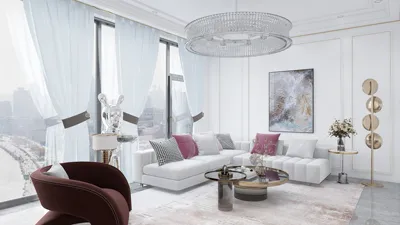


I have designed and optimized seating arrangements for auditoriums that accommodate audiences as small as 500 to those as large as 4,000. Shanmukhananda Hall is known for hosting extensive cultural programs, conferences, and performances, which presents both a unique design challenge and an opportunity to enhance user experience. To fully utilize the hall's capabilities—ensuring clear sightlines, balanced acoustics, efficient traffic flow, and comfort for all attendees—it’s crucial to create a layout that aligns audience behavior with stage activity and building services. Utilizing tools like Homestyler can assist in visualizing and planning these layouts effectively.
To make informed design decisions, I consider two key data points. The International WELL Building Institute advises maintaining horizontal illuminance between 300-500 lux for multi-purpose spaces to enhance visual comfort and alertness. Additionally, research by Steelcase indicates that cognitive performance dips when background noise exceeds 55 dBA during prolonged tasks; while concerts may allow for higher peaks, areas like foyers and aisles should adhere to this 55 dBA limit for effective communication and navigation. These recommendations directly impact aisle lighting, wayfinding brightness, and acoustic strategies for seating breaks and sound-absorbing finishes, all of which can be expertly modeled using Homestyler.
Seating Types and Optimal Use
Events place varied demands on a hall's design. I generally implement four distinct seating types for optimal functionality:
For Shanmukhananda-scale occasions, I prefer a gentle fan shape in the main seating area, incorporating two to three cross aisles alongside a balcony that’s designed to limit overhang, ensuring that patrons in the rear still enjoy unobstructed views of the performance area.
Row Spacing, Sightlines, and Ergonomics Considerations
Comfort is predominantly influenced by human factors rather than any individual finish. I advocate for a row pitch of 900-1,000 mm (35-39 in) for fixed seating in the main area, while balconies can have a tighter spacing, generally not falling below 850 mm (33.5 in). Seat widths should ideally range from 480-520 mm (19-20.5 in), with a span of approximately 520-560 mm (20.5-22 in) from arm to arm for longer events. To minimize visibility obstruction, staggering seats with a half-seat offset is advisable. The vertical sightline angle to the stage should aim between 0-30 degrees from eye level; specifically, a range of 12-15 degrees works well for lectures, while 18-22 degrees is comfortable for concerts.
Aisle Design, Egress, and Flow Management
Effective aisles should be experienced rather than recognized. Aisle widths should be adaptable to expected peak loads; for larger venues, main aisles should be about 1,500-1,800 mm (59-71 in), and secondary aisles should range from 1,100-1,200 mm (43-47 in) to facilitate smooth movement. It’s important to incorporate luminous contrasts on aisle nosings and integrate low-glare lighting around 5-10 lux to help patrons adjust visually after moving in from brightly lit stages. In venues with varying event formats, utilizing an interior layout planner can be extremely valuable; tools such as Homestyler can aid in testing seating arrangements, aisle locations, and exit routes during intermissions.
Balcony Design and Overhang Management
While balconies enhance audience intimacy, excessive overhang can obstruct views in the rear stalls. Setting the balcony front nosing high and sufficiently recessed ensures that the farthest seats can still see the upper part of the stage. A guideline I follow is to ensure that the clear sightline from a seated viewer's eye level to the top stage action remains unobstructed by at least 100-150 mm (4-6 in). Balconies should have rake angles between 9-12 degrees to balance visibility and comfort; steeper rakes will necessitate upgrades in handrail and step illumination to mitigate perceived angles.
Acoustic Considerations: Seating, Gaps, and Material Choices
Selection of seating affects acoustics significantly. Upholstered chairs that consistently absorb sound in mid-high frequencies help maintain a similar reverberation whether seats are filled or empty, stabilizing both rehearsals and live events. Deliberately placed gaps in seating can interrupt lateral sound reflections. For speech-centric events, achieving a balanced reverberation time suited to the hall's volume is essential. In multi-use venues, adjustable banners or retractable curtains provide necessary flexibility. It’s also advisable to maintain ambient noise levels between 45-55 dBA in circulation areas to enhance speech clarity and reduce attendee fatigue, consistent with the previously mentioned Steelcase threshold.
Lighting for Audience Comfort, Safety, and Atmosphere
House lighting must be adjustable, ideally from 300-500 lux during seating to dimming levels of 5-30 lux during performance breaks, aligning with WELL v2 guidelines for visual comfort and circadian rhythm support. For cultural events, coordinating the correlated color temperature around 3,000-3,500K enhances skin tones, with a color rendering index (CRI) of 90+ for audience areas being crucial. Managing glare through recessed aisle markers and baffle wall washers, as well as avoiding direct visibility to light sources from the seated audience, is imperative. For film events, adding low-intensity front-of-house illumination allows for favorable camera conditions without disrupting the audience's visual experience.
Accessibility and Inclusive Design Elements
Accessible seating should be evenly distributed across price levels and vantage points—front, middle, and rear stalls, as well as balconies where lift access is feasible. Providing companion seating, ample transfer spaces, handrails with continuous returns, tactile nosings, and limited vertical rises for each step (150-170 mm / 6-6.7 in) is essential to accommodate a diverse range of patrons. For assistive listening, ensuring a clear line of sight to infrared emitters is crucial; in the case of RF systems, planning the placement of antennas away from sizable metal structures minimizes interference.
Camera Locations, Control Rooms, and Technical Arrangements
Shanmukhananda Hall features a variety of performances, including classical concerts and lectures, both of which require clear camera lines for unobstructed views. It’s advisable to create two rear-stall camera wells aligned with the centerline and key thirds, constructing platforms at a height of about 1,800-2,100 mm (71-83 in) above the finished floor to shoot over seated patrons. The control position should remain within the audible and visible range of the audience seating area—preferably positioned in the mid to rear stalls—so mix engineers can accurately gauge audience sound.
Designated Areas for VIPs, Green Rooms, and Protocol Seating
For prestigious events, it’s wise to reserve side boxes or the front rows in the balcony for VIP guests, ensuring a balance of prestige and discreet access. Adjacent holding lounges should be connected to the stage via controlled corridors. In the primary seating area, maintaining a distance of 1,500-1,800 mm (59-71 in) from the stage edge for the first row helps mitigate audio spikes and enhances performer comfort.
Adaptable Configuration Options
Utilize a complete fan layout to protect central camera lines while adjusting cross aisles towards the rear to maximize seating capacity. Focus on acoustic-friendly finishes and minimize curtain utilization for sound management.
Align central seating blocks, introduce writing surfaces, and employ more sound-absorbing banners to enhance speech clarity. Incorporating a center aisle can improve travel efficiency during Q&A sessions.
Enhance aisle counts for frequent stage access, designate wings for processional arrangements, and create family clusters with slightly wider spacing for added comfort.
Wayfinding, Signage, and Understanding Crowd Psychology
Audiences are inclined to track light and movement. Implement a clear luminosity hierarchy—bright foyer areas, gently illuminated aisles, and warmly highlighted seat letters and row indicators. Color accents can guide behavior: cooler blue-green shades in circulation spaces can alleviate crowd density, a cognitive response supported by existing color psychology literature. Directional signs should be accessible at both 1,500 mm eye level and overhead, providing visibility during crowded situations.
Planning Workflow and Visualization Tools
Prior to finalizing seating arrangements, I simulate various crowd and seating scenarios to analyze obstruction factors and evacuation timelines. A practical strategy involves mapping seating blocks, balcony depths, and camera placements using layout tools, enabling stakeholders to explore alternatives in both plan and elevation views. If rapid visualization of different seating configurations and aisle layouts is needed, using an application like Homestyler can greatly aid teams in testing access, VIP setups, and accessibility routes comprehensively.
Maintenance, Durability, and Sustainable Practices
Opt for fabrics able to withstand 100,000+ double rubs (Wyzenbeek) or 50,000+ Martindale rubs for intensive public use, incorporating replaceable seat cushions to extend usability. Select finishes that are low in volatile organic compounds (VOCs) and formaldehyde-free to align with WELL principles focused on occupant health. If present, under-seat air ventilation should avoid directing drafts toward seated patrons; achieving thermal comfort must be balanced with quiet operation by employing low-Sones diffusers and positioning mechanical returns away from high-density seating to minimize disruptive background noise.
Frequently Asked Questions
Typically, two longitudinal aisles plus a central or offset aisle for the largest block effectively balance capacity and egress requirements. Adding cross aisles every 10-14 rows further shortens exit distances and aids usher efficiency.
A pitch measurement of 900-1,000 mm (35-39 in) offers adequate legroom while minimizing disruptions. Balconies may have slightly tighter configurations but should not fall below 850 mm (33.5 in) unless absolutely necessary due to capacity constraints.
Utilize staggered seating arrangements to maintain a 12-22 degree vertical viewing angle towards the stage and ensure that the rear eye line clears balcony structures by at least 100-150 mm.
Aim for 300-500 lux when patrons are being seated, dimming to 5-30 lux during performances. Ensure aisle markers emit low glare and that stair nosings are visibly contrasted for audience navigation, as per WELL v2 visual comfort guidelines.
Indeed. Upholstered seating that provides consistent sound absorption, regardless of occupancy, enhances reverberation stability, thereby improving the consistency of sound quality from rehearsals to full-house performances.
Position rear-stall camera wells on platforms approximately 1,800-2,100 mm high, ensuring alignment with central sightlines. It is crucial to reserve clear visibility corridors and avoid placing cameras in main exit pathways.
Maintain sound levels around 45-55 dBA to protect speech clarity and lower cognitive load, adhering to Steelcase's research insights regarding noise and performance.
Ensure accessibility is distributed across all seating zones: front, middle, rear stalls, and balconies when lift access is applicable. Always incorporate companion seating and unobstructed transfer spaces for viewers.
Utilize side boxes or front rows in balconies reserved for VIP guests. Ensure easy access via designated corridors and nearby lounges, coordinating ushering to manage regular audience flow effectively.
Yes, provided that the front stalls utilize modular seating or retractable sections. Incorporate power/data floor outlets in a grid format and allow for quick deployment of acoustic banners to adjust room acoustics for speech events.
Originally incubated at Autodesk, Homestyler has grown into one of the most widely adopted home design platforms in the world, now trusted by over 18 million users. Whether you're a homeowner exploring ideas or a professional designer delivering client-ready renders, Homestyler brings industry-leading 3D technology to your fingertips — no experience required.


Modern Burgundy Velvet Tufted L Shaped Sectional Sofa 3D Model
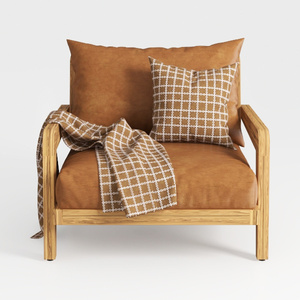
Modern Solid Wood Frame Leather Armchair With Decorative Throw Pillow 3D Model
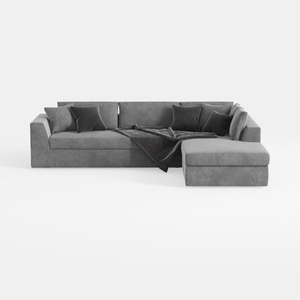
Minimalist Gray Fabric Sectional Sofa with Throw Pillows and Blanket 3D Model
Homestyler is an outstanding online home design platform that brings your ideas to life effortlessly. With its user-friendly design tool, stunning 3D renderings, inspiring design projects, and helpful video tutorials, you'll find everything you need to create a beautiful home—no design experience necessary!
Design Now for FREE
































