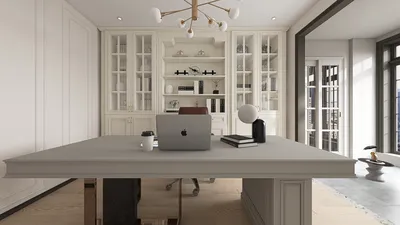


When considering audio setups in small rooms, achieving optimal sound quality requires scaling the system to fit the available space and synchronizing it with the room's acoustics. I treat spaces ranging from 100 to 180 square feet as unique acoustic instruments. Factors such as reflections from hard surfaces, speaker boundary interference, and listener distance have a more significant impact on the sound performance than sheer power alone. According to research conducted by Steelcase, sound quality and noise levels significantly influence cognitive function and overall comfort. Implementing tailored acoustic strategies can enhance focus and satisfaction (Steelcase Research). Additionally, WELL v2 highlights the importance of acoustic comfort for occupant well-being, urging designers to address issues like reverberation and background noise to foster healthier living environments (WELL v2).
The ideal listening environment in small rooms revolves around nearfield listening, ideally maintained at a distance of 5 to 8 feet from the speakers. This arrangement ensures controlled sound dispersion and balanced bass response. For residential spaces, I typically target a reverberation time (RT60) between 0.3 and 0.5 seconds, as this preserves the intricacies of the audio without leading to a deadened sound. This approach aligns with common acoustic practices and the WELL v2 initiative on sound quality. Positive tangible outcomes are rapid: findings from Herman Miller link sound quality directly with productivity and reduced stress, illustrating the importance of precise speaker placement and moderate acoustic treatments (Herman Miller Research).
Expert Recommendations: Compact Audio Systems That Deliver Outstanding Performance
For spaces smaller than 200 square feet, a 2.0 or 2.1 audio setup generally surpasses most soundbars in terms of sound imaging and musicality, while a well-chosen soundbar excels in simplicity and vocal clarity. My designs focus on these specific categories:
System Selection Based on Room Size and Usage
The usage of the room fundamentally influences system selection. In a multi-use space where conversation is prevalent, the clarity of the center channel—whether utilizing soundbars or 3.0 setups—becomes essential. Conversely, in music-centric rooms, I prioritize stereo imaging and achieving low distortion at moderate volume levels. Research from Gensler emphasizes how sound environments can subtly influence behaviors and moods; small rooms benefit from calm, controlled energy rather than overpowering sound (Gensler Research).
Strategic Speaker Placement for Small Spaces
Effective placement of audio equipment is crucial. In smaller environments, boundary effects can be amplified, making the relationship between speakers, listeners, and surrounding surfaces essential to sound quality.
Tools for Room Layout: Planning Efficient Seating and Speaker Arrangements
Utilizing a room layout tool is invaluable for simulating distances, sightlines, and cable management before making permanent alterations: room layout tool.
Enhancing the Room's Acoustics: Materials, Lighting, and Sound Design
Achieving acoustic comfort extends beyond merely employing panels and rugs; it involves selecting materials and furnishings that positively influence behavior. WELL v2 encourages strategies to minimize reverberation and background noise while maintaining the room's aesthetic. In compact areas, I implement layered designs:
Effective lighting is crucial for enhancing perception: warm-white lighting at 2700–3000K keeps the atmosphere relaxed, while reducing glare aids focus during critical listening periods. The human factors aspect is straightforward—comfort in both light and sound significantly enhances the listening experience.
The Impact of Color on Listening Comfort
Color choices play a significant role in influencing how comfortably one listens and how long one can maintain focus. Cooler neutral tones can evoke a sense of cleanliness and analysis, while muted warm hues promote relaxation during extended audio sessions. An overview by Verywell Mind connects warm colors with feelings of comfort and intimacy, often benefiting evening listening experiences (VerywellMind on color psychology). In limited space, using off-whites and desaturated tones such as green or terracotta helps minimize visual distractions and foster a serene environment.
My Recommendations: Audio Systems Ideal for Compact Spaces
Staying practical and neutral, I focus on common formats rather than specific brands:
Small rooms typically thrive with compact speakers designed for controlled directivity, adequate sound pressure levels, and low noise floors. Larger floorstanding speakers may be overwhelming; it’s best to reserve those for more spacious rooms.
Comprehensive Setup Guide: Steps to Achieve Optimal Tuning
Human Factors: Addressing Ergonomics, Distance, and Listening Fatigue
Listening fatigue often arises from excessive brightness, poor dispersion, and misalignment in ear height. Proper speaker placement with tweeters at ear level while seated is vital. Avoiding hard reflective surfaces at head height also contributes to better audio comfort. Ergonomics are just as essential as frequency response: ensuring a relaxed seating position, unobstructed sightlines, and accessible cable pathways can minimize distractions. The principles of WELL v2 regarding acoustic comfort align perfectly with these considerations—reducing unnecessary stimuli is key to enhancing well-being.
Sustainability Considerations in Material Selection
Compact audio systems generally consume less energy and have a reduced environmental impact. Opt for durable and repairable components as well as low-VOC finishes for items such as stands and panels. For DIY sound absorption, using mineral wool or recycled polyester panels wrapped in breathable fabric achieves a good balance between acoustic performance and indoor air quality.
Common Pitfalls in Small Room Acoustics
Frequently Asked Questions
For nearfield setups, the ideal distance is between 5 and 8 feet. This range effectively balances direct sound with controlled reflections, maintaining detail and imaging.
I recommend starting with a solid 2.0 system. If the room allows and neighboring areas can tolerate it, consider adding a small sealed subwoofer, crossing it around 70–90 Hz to achieve bass depth without overwhelming boominess.
Adjust seating away from the midpoint of the room, reposition the subwoofer away from corners, and explore basic absorption strategies. Utilize the phase and crossover controls of the sub to manage sound peaks effectively.
In media-focused rooms, a calibrated soundbar featuring discrete left, center, and right drivers can provide exemplary dialogue clarity and convenience. Conversely, bookshelf speakers excel in stereo imaging and musical fidelity.
An RT60 of approximately 0.3 to 0.5 seconds is optimal for most compact living spaces. Control early reflections effectively and ensure symmetrical placement for a consistent soundstage.
Utilizing indirect, warm-white lighting can significantly reduce visual glare and stress, aiding listeners in maintaining focus. Comfortable environments are key to enhancing the audio experience.
Appropriate furnishings such as upholstery, rugs, bookshelves, and medium-weight curtains play vital roles in acoustic modulation. Additionally, incorporating a thin ceiling cloud over the listening area can stabilize imaging.
Post-placement, it is beneficial to perform calibration adjustments. These can help fine-tune bass responses and balance tonal characteristics, but should not substitute for key physical treatments.
Position tweeters in line with seated ear height. Even minor discrepancies in stand height can negatively affect imaging and lead to harsh-sounding highs.
Decoupling is possible, but ensure the front baffle is flush with the console edge to minimize diffraction effects.
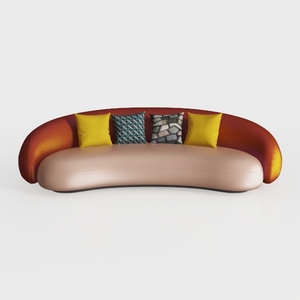
Modern Sectional Sofa Set - with Coffee Table and
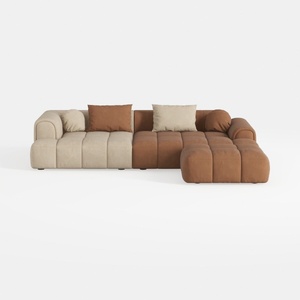
Modern Velvet Sectional Sofa, U Shape Minimalist M


Looking to transform your space? Homestyler is your go-to online home design platform! It offers a user-friendly design tool, stunning 3D renderings, inspiring design projects, and helpful DIY video tutorials. Unleash your creativity and bring your home visions to life effortlessly!
Desain sekarang Gratis
































