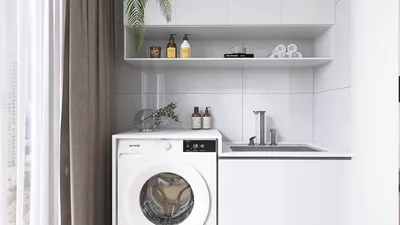


I once nearly set up a dryer so high that a marathon-running client required a step stool after completing a 20-mile run — a valuable lesson in usability over aesthetics. When renovating for athletes, I typically begin with a visual layout mockup using Homestyler to ensure clearances and workflow are efficient before deciding on tiles or cabinetry.
Design a mudroom-laundry blend
For those who train outdoors, it's essential that your laundry space effectively captures dirt and equipment before they enter your home. I suggest incorporating a low bench for removing shoes, a washable mat, and a dedicated hook rail for sweaty jerseys; this approach prevents the washing machine from transforming into a disorganized catch-all.
Advantages: minimizes cross-contamination and expedites post-workout routines. Challenge: consider sacrificing some storage or reorganizing an adjacent closet to make space.
save pin
Create a dedicated wet-zone with accelerated drying
Wet gear necessitates good airflow. I frequently install a ceiling-mounted drying rack along with a compact wall fan to enhance drying efficiency; a slatted shelf allows mud to fall through while maintaining ventilation. For winter sports enthusiasts, a small wall-mounted heated drying rod is a real game-changer — just be mindful of the budget as these can add up.
Tip: consider modular racks that can fold away when not needed to keep the area tidy on days without training.
save pin
Focus on appliance efficiency and placement
When time is of the essence, optimizing the right machines and layout can save you crucial minutes with every cycle. I generally position the washer and dryer side-by-side with a folding counter above, sometimes using smart AI layouts in Homestyler to determine the ideal position concerning doors and vents.
Pros: quicker turnaround time and less bending over. Cons: initial higher costs for high-speed washers, and it's advisable to hire a professional to inspect plumbing and venting during installation.
save pin
Storage tailored for sports gear
Utilizing bins, labeled mesh bags, and ventilated cubbies is essential. I often design pull-out baskets specifically sized for jerseys, swim caps, and socks — while it may seem mundane, it significantly alleviates morning disarray.
Budget Tip: painted plywood cubbies are much more affordable than custom cabinets and perform nearly as well when sealed appropriately.
save pin
Opt for durable, low-maintenance finishes
My go-to materials are tile and waterproof vinyl since stains and sweat are unavoidable. I combine non-slip flooring with rounded countertops and grout-free surfaces whenever possible for easy wipe-downs after muddy practices.
Consider integrating a workflow map for equipment into your overall plan so that the path from dirty gear to washing, drying, and storage is seamless — this minor planning step yields considerable benefits in efficiency and peace of mind on a daily basis.
save pin
FAQ
1. What constitutes an athletic laundry area?
An athletic laundry room is specifically designed for fast turnover, proper ventilation, and durable finishes capable of managing sweaty, muddy, or wet sports gear. It typically features specialized storage and drying solutions.
2. How much should I allocate for a functional athlete-centric laundry renovation?
Expect to spend a broad range: basic upgrades (like storage or racks) can be under $1,000, while appliance updates and layout changes typically start around $3,000 to $8,000, depending on local costs and scope.
3. Are commercial washers beneficial for home use?
Commercial washers have higher spin speeds and superior drying capabilities but come with a higher price tag and may require special hookups. They are worthwhile if you're frequently managing large loads, especially for athlete households.
4. Which flooring options are best for athletic use?
Porcelain tile and high-grade luxury vinyl planks are prime choices: both are waterproof, durable, and easy to maintain. Non-slip finishes further reduce the risk of falls when footwear is wet.
5. How can I speed up drying without investing in an expensive dryer?
Mix high-speed washer cycles with an adequately ventilated drying zone, plus a ceiling or wall-mounted drying rack. These cost-effective solutions can substantially decrease drying times.
6. Should I distinguish between clean and dirty zones?
Absolutely — separating the drop zone from the clean storage area minimizes odor transfer and keeps fresh clothes ready for use. A bench and bin approach works well.
7. Are energy-efficient washers important for athletes?
Definitely. Energy Star-certified washers use less water and electricity, often providing faster spin speeds that can help shorten drying times (source: Energy Star, U.S. EPA and U.S. Department of Energy). This reduces long-term operational costs and enhances productivity.
8. Can I handle these upgrades myself?
Many storage and drying enhancements are suitable for DIY efforts, but for electrical, plumbing, or significant reconfiguration tasks, I recommend hiring experts to avoid code violations and ensure reliable performance over the long haul.
save pin
Discover the magic of home design with Homestyler! This user-friendly platform offers a powerful online design tool, stunning 3D renderings, and a wealth of inspiring design projects. Plus, with helpful DIY video tutorials, you’ll turn your home dreams into reality effortlessly.
Diseño ahora GRATIS
































