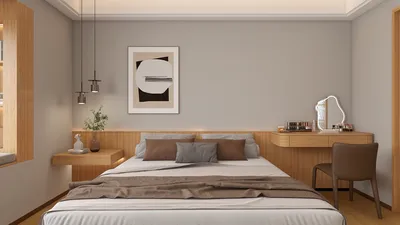


Over the years, I have focused on optimizing waiting areas to enhance comfort, movement, and tranquility. At the Netaji Subhas Chandra Bose International Airport (Kolkata), the most enjoyable experiences arise from the perfect combination of seating options, quality lighting, and clear navigational signage. Some evidence-based factors are crucial to traveler satisfaction: seating set at approximately 17–18 inches in height supports neutral positioning of knees and hips, while glare-free lighting helps maintain eye comfort, and soft furnishings dampen noise from luggage. Properly implemented, these elements can transform even a lengthy layover into a more manageable experience, especially when utilizing tools like Homestyler to visualize comfortable environments at home or in transit.
Human comfort can be quantifiably measured. The WELL v2 guidelines emphasize the importance of balanced lighting, as well as circadian-friendly illumination; airport seating zones typically perform optimally at 300–500 lux while minimizing glare, and relaxation areas benefit from warmer light at 2700–3000K color temperature. The International WELL Building Institute also highlights the significance of acoustic standards—managing reverberation levels to alleviate stress. For more in-depth information on effective lighting and environmental comfort, refer to WELL v2 (v2.wellcertified.com) and IES standards (ies.org/standards).
Exploring the Design of Waiting Areas
The waiting rooms at Kolkata Airport are commonly divided into multiple zones: short-stay seating areas next to check-in, holding spaces adjacent to security, and gate-side seating beyond security procedures. Each of these zones caters to distinct behaviors—whether it's a quick pause, a chance to recover before screening, or a longer dwell time prior to boarding. I prioritize three key features: a mix of seating arrangements (including benches, tandem seats, and high stools), access to power outlets, and visibility of flight information displays (FIDs). For families, the closeness of restrooms and water fountains is vital; for business travelers, access to charging ports and quieter environments is essential for productivity.
Seating Aspects: Height, Support, and Variety
Not every airport seat provides the same level of comfort, backed by scientific research. Seating that measures around 17–18 inches in height accommodates most adults comfortably, minimizing hip flexion and allowing feet to rest flat. Firm foam cushioning with contoured backs supports the thoracic arch without causing shoulder discomfort. When available, opt for seats with armrests for better support while standing, and choose armless seats for carrying larger bags. Commonly found near gates, tandem seating options are durable, while lounge clusters appear near dining areas and shops.
Refreshing Lighting Solutions
In waiting areas, I look for a three-layered lighting approach: ambient light for overall visibility, task lighting in seating groups, and accent lighting for clear signage. An ambient level maintained around 300–500 lux ensures visual comfort for reading and device usage, while warmer lighting in relaxation corners promotes unwinding. Avoid sitting directly beneath shiny downlights as they can create annoying glare on screens. When possible, choose spots near diffused natural light; daylight can significantly reduce fatigue, though be wary of direct sunlight that creates uncomfortable heat.
Noise Management and Acoustic Comfort
One of the largest complaints regarding comfort is noise. Hard flooring and lofty ceilings amplify sound levels. It’s wise to select seating under acoustic treatments or near fabric panels, as these can absorb some sound. If neither option is available, opt for seating in corners distant from loudspeaker zones and security lines. Moreover, soft surfaces—like carpet tiles and upholstered benches—can help minimize sounds created by rolling luggage. If working, investing in noise-cancelling headphones is worthwhile.
Connectivity, Charging Solutions, and Workspaces
Contemporary waiting areas should offer easy access to power. Check seat bases and communal surfaces for electrical outlets; newer seating often includes USB-A and USB-C ports. If your gate area lacks sufficient sockets, relocate near food courts or business zones where electrical connections are more readily available. Use a compact multi-port charger to share power respectfully. For laptop use, an ergonomic table height of around 28–30 inches is ideal; balancing devices on your lap for extended periods can cause neck strain.
Wayfinding and Visual Comfort Improvements
Select seats that provide clear lines of sight to FIDs (Flight Information Display Systems). People tend to feel more at ease when information is within view without getting up. If displays are far, choose seating that does not require excessive neck bending. Lighting should not reflect directly on screens; slightly matte displays under neutral white light provide the best readability.
Family-Centric Seating Arrangements
For those traveling with children, opt for seating clusters that are close to restrooms and water stations. Position strollers on the aisle side of seating to keep traffic flowing smoothly. For a more serene experience, seek out seating areas with plants or soft finishes, as they typically offer a quieter environment. Additionally, locate family restrooms early on to avoid last-minute scrambles during emergencies.
Hygiene, Material Choices, and Cleanliness
Airports typically choose durable surfaces—such as powder-coated metals, high-pressure laminates, and vinyl upholstery—because they are quick and easy to clean. If you prefer softer materials, fabric-covered seats tend to appear in lounge-style areas. Be sure to sanitize armrests and tray tables before meals; high-touch surfaces can accumulate grime during busy times.
Food, Hydration, and Break Timing
An effective routine is to sit near hydration sources and restrooms, then approach food when boarding times are stable. Eating light is wise if turbulence is expected; simple carbohydrates and hydration are gentler on the stomach. Keep snacks within reach, as long security checks may cut into dining opportunities.
Seating Layout Strategies for Optimal Comfort
The arrangement of seating can influence stress levels more than aesthetics do. I recommend selecting edge seats for quick exits or deeper pockets for more extended waiting periods. When traveling as part of a group, arrange seating in a loose U-shape around a central bag to enhance interaction and reduce twisting movements. To visualize seating configurations at home prior to a trip, consider using a simple layout tool such as Homestyler for planning comfortable spaces.
Considerations for Accessibility and Inclusive Design
Seek out priority seating with accessible armrests and sufficient space for mobility aids. Ramps and tactile floor indicators assist passengers with visual impairments; sitting near these pathways simplifies navigation for companions. If assistance is necessary, notify staff early to ensure accessible seating near boarding areas.
Safety, Personal Space, and Management of Belongings
Choose seating that allows a clear view of your luggage. Avoid end seats that expose your belongings to high-trafficked areas. Using your carry-on as a footrest is acceptable only if the aisles remain unobstructed—blocking pathways can disturb neighbors and may result in requests from staff to move your belongings.
Navigating Peak and Off-Peak Travel Strategies
During busy periods, factors like noise levels, glare, and crowd sizes tend to rise. It’s best to sit a few rows away from boarding gates where announcements can be heard without overwhelming noise. During less busy times, take advantage of peripheral seating clusters that provide better personal space and a more serene atmosphere.
A Designer’s Checklist for Kolkata’s Waiting Areas
- Seating: opt for 17–18 inch heights and supportive backs
- Lighting: target a neutral-white range of 300–500 lux; warmer tones for relaxation
- Acoustics: prefer soft materials and acoustic treatments; steer clear of speaker zones
- Power: secure seating near charging banks or communal tables
- Displays: ensure clear visibility of flight information systems
- Family: remain close to restrooms and hydration stations
- Accessibility: utilize priority seating and maintain clear pathways
- Layout: select edge seats for swift exits; inner pockets for tranquility
Frequently Asked Questions
Q1: What type of lighting is optimal in Kolkata Airport’s waiting areas?
A: Neutral-white ambient lighting around 300–500 lux offers comfort for reading and device usage, while warmer tones of 2700–3000K promote relaxation.
Q2: How can I identify a quieter seat?
A: Avoid speaker zones, security check areas, and spaces prone to echo. Seek out locations with carpet tiles or fabric-panelled walls.
Q3: Are there sufficient charging points around the gates?
A: Availability of charging outlets depends on the zone; gate areas may have limited access. Business corners and food courts often offer more options.
Q4: Which seat designs help mitigate fatigue?
A: Seats with a height of 17–18 inches and contoured backs with armrests support proper posture and facilitate easier standing.
Q5: How do I maintain visibility of flight information?
A: Sit in locations that afford direct sight lines to FIDs. Ensure you’re at an angle that minimizes glare from lighting on screens.
Q6: Any advice for families traveling with kids?
A: Position seating close to restrooms and hydration stations, keep strollers at aisle ends, and opt for quieter zones with softer materials to limit overstimulation.
Q7: What seating layout is best for groups?
A: Arrange seats in a gentle U-shape so everyone faces inward around shared belongings, enhancing communication and reducing physical twisting.
Q8: How do lighting and sound influence stress levels?
A: Well-balanced lighting combined with controlled acoustic environments diminishes eye strain and cognitive load; these comfort aspects are essential in reducing travel-related stress.
Q9: Are accessible seating options available?
A: Priority seating with supportive armrests and enough space for mobility aids is usually offered; request help in advance to be near boarding processes.
Q10: What material suggestions do you have for those prioritizing cleanliness?
A: Look for powder-coated metals, laminates, and vinyl materials that maintain cleanliness efficiently; these should be chosen particularly in busier sections for hygiene.
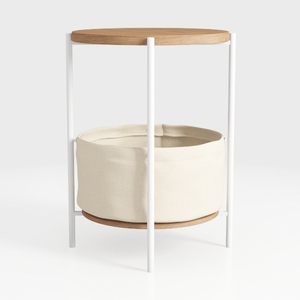
danpinera Round Side Table with Fabric Storage
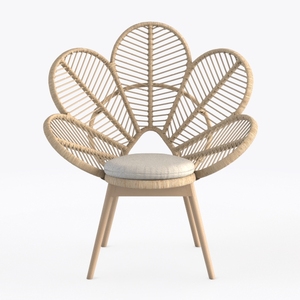
Baxton Studio Garan Modern Bohemian Natural Brown
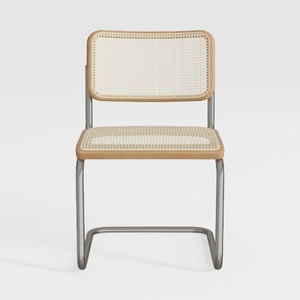
GIZNXBA Rattan Dining Chairs Upholstered Kitchen
Looking to transform your home with ease? Homestyler offers an intuitive online design tool, stunning 3D renderings, and a wealth of inspiring design projects. Plus, you can learn through comprehensive DIY video tutorials. Bring your vision to life effortlessly with Homestyler!
지금 무료로 디자인하세요
































