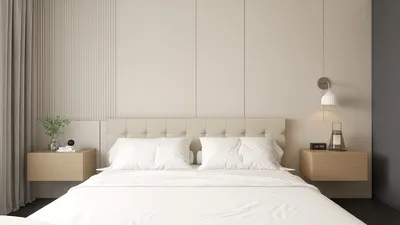


I dedicate significant time to optimizing air quality in small spaces such as cozy bedrooms, home offices, and studio apartments. When selected and positioned correctly, compact air filters can provide exceptional benefits, enhancing health, focus, and comfort without overwhelming the room's aesthetics. In confined areas, the effective clean air delivery rate (CADR), choice of filtration media, and noise performance become more critical than the size alone.
To evaluate performance, having a benchmark is essential. The WELL Building Standard v2 recommends maintaining PM2.5 levels below 15 µg/m³ to promote optimal health for occupants, and many home monitoring devices are now capable of tracking this in real-time. According to research by Steelcase, subpar indoor air quality can lead to cognitive fatigue, which negatively impacts productivity and decision-making—especially important in compact work-from-home environments. These guidelines assist in choosing CADR and filter types that effectively manage particulates and VOCs. For in-depth workplace research and insights on indoor environmental quality, refer to the Steelcase research portal and WELL v2 guidance: Steelcase Research, WELL v2.
Understanding the Functionality of Small Air Filters in Compact Spaces
Compact air purifiers work by drawing in air from the room through various filtration stages: a pre-filter to trap hair and dust, a true HEPA (H13/H14) filter for very fine particulates, and an activated carbon layer to address odors and VOCs. The rate of air circulation and frequency of replacements—not solely filtration efficiency—affect how quickly a room achieves the desired air quality. For allergen control in small rooms, I target an air change rate of 4-6 times per hour (ACH), while for general use, aiming for 2-3 ACH is sufficient. This typically requires a CADR in the range of 100-250 CFM, depending on the volume of the room.
Calculating Room Size, CADR, and Practical Sizing
To determine the correct size of the purifier, calculate the room volume by multiplying length, width, and height. For instance, a 10×12 ft bedroom with an 8 ft ceiling equals roughly 960 ft³. For an air change rate of 5 ACH, the required effective clean air is about 80 CFM (calculated as 960 × 5 ÷ 60). However, remember that CADR ratings pertain to particular pollutants (such as smoke, pollen, and dust). I often use the smoke CADR as a reference for fine particulates (PM2.5). If you need rapid recovery after cooking or cleaning, consider increasing your target CADR by 20-30% in small apartments that share airflow systems.
Recommended Choices: Categories of Compact Purifiers
I do not limit my clients to a single brand; rather, I align their usage needs with appropriate product categories. Here are some compact purifiers that I frequently recommend:
Placement and Airflow Considerations
In small spaces, the path of airflow is crucial. I tend to steer clear of corners where intake can be blocked and ensure at least 12-18 inches of clearance around the unit. Positioning near sources of contaminants (like litter boxes, printers, or entrance doors) often proves more effective than placing the unit in the center of the room. If you're contemplating furniture arrangements or wish to evaluate airflow around the appliance, using a room layout tool can help visualize the best placement for maintaining unobstructed air pathways.
Noise Levels, Acoustics, and Impact on Sleep Quality
Acoustic comfort plays a pivotal role in small sleeping areas, especially when fans are positioned close to ear level. I generally aim for a continuous sound level below 40-45 dB in bedrooms and under 50 dB in home offices. The fan's performance curve should avoid creating tonal peaks; broad-spectrum "air wash" noise is less disturbing than high-pitched sounds. Ensure that the air purifier's exhaust is directed away from the bed or your microphone if you're on calls.
Filter Media: Identifying HEPA, Carbon, and Important Features
True HEPA filters (H13/H14) effectively trap fine airborne particles. Always verify legitimate certification claims and be cautious of vague “HEPA-type” language. For managing odors and VOCs, opt for devices that incorporate a significant activated carbon layer—pelletized or deep composite carbon is superior to minimal sprayed applications. If you're located near high-traffic areas or are prone to smoke, consider the carbon capacity and the frequency of replacements, which are as critical as the HEPA filter's lifespan.
Maintenance Schedules and Practical Costs
Filters are consumable items. Typically, small air purifiers require cleaning of the pre-filter every 2-4 weeks, replacing the HEPA filter every 6-12 months, and changing the carbon filter every 3-6 months if subjected to high odor loads. I account for annual expenses based on actual filter pricing and estimated replacement cycles; choosing a well-sized unit and running it on medium speed usually strikes a balance between air quality and extended filter life.
Managing Allergens, Pets, and Everyday Sources
Effective allergen control hinges on both capturing and eliminating pollutants at their source. In pet-friendly households, positioning a HEPA purifier near the room's entrance helps mitigate the spread of dander. For areas with printers or crafting activities, focus on localized filtration and good exhaust separation. Cooking aerosols can circulate rapidly in small apartments; utilizing an air purifier during cooking and for at least 30-60 minutes afterward helps reduce PM2.5 levels effectively.
Energy Efficiency and Environmental Considerations
Compact air purifiers can be surprisingly energy-efficient. Look for models equipped with brushless DC motors and automatic settings that adjust based on air quality sensors. Opt for reusable pre-filters to lessen waste, and higher-grade HEPA materials typically exhibit extended lifespans. If you operate the device continuously, the differences in energy consumption between efficient and less efficient motors can be quite noticeable on your utility bills over the course of a year.
Color, Psychological Influence, and Aesthetic Integration
In limited spaces, the air purifier also plays a role in the room's visual aesthetic. Utilizing neutral matte finishes diminishes glare and visual noise; soft whites harmonize with natural lighting, while darker tones can complement various flooring choices. I avoid shiny surfaces that reflect task lighting and create distracting visual contrasts near workspaces.
Quick Selection Guide
Frequently Asked Questions
To calculate the required CADR for your room, multiply the total volume by your desired ACH, and then divide by 60. For a 960 ft³ room targeting 5 ACH: the calculation will yield approximately 80 CFM. Ensure the chosen unit's smoke CADR meets or exceeds this value to manage fine particulates efficiently.
Yes, in compact environments, provided that the purifier offers 4-6 ACH with a true HEPA filter. Maintain closed doors, use a HEPA vacuum bag, and position the unit close to allergens' sources for best results.
Effective only if the carbon mass in the purifier is adequate. Units with thin carbon coatings can saturate quickly. For cooking, smoke, or pet-related odors, opt for models that feature deeper carbon beds or pelletized media, and follow replacement guidelines closely.
Locate the unit near the entryway or in the gap between potential sources of allergens and the sleeping area, maintaining 12-18 inches of clear space around it. Avoid corners where air intake might be obstructed and direct exhaust away from the bed.
Aim for a sound level below 40-45 dB at the operating speed you choose to use overnight. Broad-spectrum airflow noise is generally less intrusive than tonal fan noise; testing multiple speeds can help identify the optimal sound level for comfortable sleep.
Ensure to select true HEPA (H13/H14) filters from reputable brands, and verify their CADR ratings. For health standards, the WELL v2 suggests keeping PM2.5 levels under 15 µg/m³, which can be monitored with consumer-grade sensors.
Auto mode that responds to air quality changes is efficient and energy-saving. In small apartments, I typically run the purifier at medium speed during peak pollution times (e.g., cooking, cleaning) and on lower settings at night to minimize noise issues.
Pre-filters require cleaning every 2-4 weeks, HEPA filters need replacement after 6-12 months, and carbon filters generally last 3-6 months under significant odor loads. Keep track of performance; if PM2.5 levels remain high or odors reappear rapidly, it may be time for a replacement.
Yes, in one small room it is effective if the smoke CADR is calibrated for 5-6 ACH and doors and windows are properly sealed. Use higher speeds during peak pollution events and enhance outcomes by sealing windows and controlling sources.
Enhancing air quality contributes to reducing particulate matter linked to cognitive fatigue, as supported by workplace studies. Effectively controlling PM2.5 and stabilizing temperatures can enhance comfort and focus in small workspaces.



Homestyler is your go-to online home design platform that makes creating stunning interiors a breeze. With its user-friendly design tool, impressive 3D renderings, and a wealth of DIY video tutorials, you'll effortlessly transform your ideas into reality. Start your design journey today!
지금 무료로 디자인하세요
































