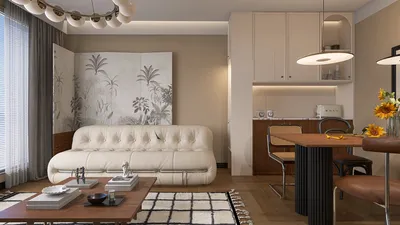


I have designed numerous compact bedrooms where optimizing every square inch is crucial. A 4ft small double bed (approximately 120 cm x 190 cm / 4'0" x 6'3") strikes an ideal balance between comfort and space efficiency. In smaller rooms, it offers increased maneuverability compared to a queen size, making it a great choice for single sleepers or those who occasionally share. In fact, having more space can enhance rest quality, as the WELL Building Standard recognizes the importance of aspects like acoustics, lighting, and ergonomics in sleep environments. Moreover, designs that minimize visual clutter and circulation pinch points can significantly lower stress and improve sleep hygiene (WELL v2).
The dimensions of the room and circulation space are just as critical as the mattress selection itself. Gensler's research in workplace environments reveals that how spacious a room feels and the absence of obstacles can correlate with individuals' overall well-being and performance—principles that certainly apply to bedroom design as well. Maintaining a clearance of 24–30 inches (61–76 cm) around the bed is essential for easy movement and drawer access, effectively minimizing small daily stressors. For adequate lighting, I adhere to IES guidelines recommending ambient lighting levels between 10–30 footcandles, complemented by warm 2700–3000K lamps to create a relaxing atmosphere. If you are exploring different furniture arrangements, utilizing a layout simulation tool, like Homestyler, can be invaluable for visualizing clearances before making final decisions.
Selecting the Ideal 4ft Bed Frame
An optimal bed frame for smaller spaces should combine minimal visual bulk with significant storage capabilities. I recommend frames with a narrow perimeter and rounded corners for safety, along with a neutral finish that visually recedes—using matte wood or powder-coated metal can help reduce glare. If space for storage is limited, consider opting for drawers on one side to maximize access while leaving the other side clear; alternatively, a lift-up ottoman base may be suitable if the room’s layout doesn’t allow for drawers. An ideal finished bed height falls around 18–24 inches (46–61 cm), ensuring ergonomic ease for sitting and standing.
Choosing a Mattress for Small Doubles
For a 4ft bed, medium-firm mattresses often provide the best combination of comfort for occasional sharing while adequately supporting spinal alignment. Hybrid mattresses that combine pocket springs and foam layers effectively distribute weight without excessive edge collapse. Having good edge support becomes particularly important in smaller rooms, as you may often sit at the edge to get dressed; therefore, look for mattresses with reinforced perimeters. For those sensitive to temperature fluctuations, breathable coils and open-cell foams can help minimize heat retention. Additionally, if the bed serves as a reading area, motion isolation is vital to avoid disturbances when partners shift positions.
Maximizing Clearance and Pathways
Before settling on bed placement, I take into account the door swings, accessibility to wardrobes, and the reach to windows. It’s essential to ensure a minimum clearance of 24 inches on one side of the bed, and if both sides cannot achieve this, prioritize the side that offers easier access to storage. Keep the bed away from radiators to protect the mattress and enhance thermal performance. Additionally, maintain a distance of at least 8–10 inches between the headboard and any window treatments to avoid condensation and fabric wear.
Clever Storage Solutions Without Added Bulk
In compact spaces, maximizing under-bed storage is invaluable. When drawers are impractical, utilize shallow rolling bins labeled by frequency (daily, weekly, seasonal) for organization. Wall-mounted shelves with integrated uplighting can alleviate clutter on nightstands. If wardrobes are limited, incorporating a slim dresser at the foot of the bed while maintaining clearance can be effective. Avoid bulky headboard bookcases, as they can create visual overload and accumulate dust. Aim for a cohesive textile design with two neutral colors plus one accent to minimize visual complexity.
The Importance of Lighting and Color in Promoting Rest
Using warm light temperatures (2700–3000K) with low-glare shades creates a soothing evening ambiance, and dimmers facilitate the transition into sleep. Task lighting should be positioned to avoid direct sightlines; consider using wall sconces with opaque shades instead. When it comes to color, findings from Verywell Mind indicate that blue and green tones promote calm and restoration; therefore, soft, desaturated variations of these shades, paired with a muted accent color, can create a tranquil environment without overstimulating the senses. Additionally, minimizing glossy finishes helps reduce visual clutter caused by reflections.
Acoustic Comfort in Small Spaces
Acoustic comfort is a vital consideration in small rooms where hard surfaces can dominate. The WELL v2 framework highlights the influence of sound control on sleep quality; simple strategies like placing a dense rug under the bed, using upholstered headboards, and sealing doors can effectively dampen noise. For issues with window noise, consider layered treatments such as blackout curtains over cellular shades for added sound absorption.
Headboards, Bedding, and Ergonomic Considerations
A slim, upholstered headboard (2–3 inches thick) can enhance reading posture without occupying much depth. Select breathable fabrics and avoid tufting to minimize dust accumulation. For ergonomic support, pillows should maintain proper cervical alignment—one medium-height pillow is suitable for back sleepers, while a slightly higher option works for side sleepers. In terms of bedding, using a duvet that fits the mattress width will prevent excessive draping that could interfere with storage access.
Achieving Visual Harmony and Spatial Proportions
Compact rooms benefit from a visual balance of 60/30/10: 60% neutral base (walls/floor), 30% mid-tone furniture (bed, storage), and 10% accent pieces (art, throws). Establish a vertical rhythm by keeping the top lines aligned—height of headboards, art frames, and window treatments should all follow consistent elevations, creating an orderly look that reduces visual noise. To enhance perspective without cluttering the space, mirrors should be strategically placed without facing large reflective surfaces directly towards the bed.
Placement Strategies for Challenging Spaces
In narrow rooms, centering the bed along the longest wall and allowing a single-side pass of 24–30 inches can optimize space. If there are off-center windows, floating the bed can allow for balance, enhanced by the use of paired sconces rather than depending solely on window alignment. In square micro-rooms, a 4ft bed can occasionally be positioned beneath a window if the sill is sufficiently high and ventilation is maintained; always check for clearance regarding window treatments. Utilizing a layout planner like Homestyler can validate door and drawer swing dimensions effectively.
Choosing Sustainable Materials and Easy Maintenance
Opt for FSC-certified wood frames wherever possible, along with low-VOC finishes. Mattresses made with CertiPUR-US foams or natural latex can help lower indoor pollutants. Protect the mattress with a breathable cover while rotating it every three months to ensure even wear. Maintenance should be uncomplicated: use washable slipcovers for headboards and conduct seasonal deep cleaning for under-bed storage to keep dust accumulation at bay.
Budget Considerations and Value Assessment
In smaller rooms, prioritizing durability and ergonomics is more beneficial than focusing on decorative complexity. Allocate your budget towards the mattress core and edge support first, as these elements are essential; a simpler frame can suffice if storage needs are addressed. Investing in lighting controls, such as dimmers and smart bulbs, offers significant comfort benefits without breaking the bank. Whenever feasible, coordinate your purchases to ensure cohesive visual aesthetics and avoid mismatched scales.
Frequently Asked Questions
In the UK, most small double beds measure around 120 cm x 190 cm (4'0" x 6'3"). Always verify specifications from the manufacturer, as some frames might add an extra 2–4 inches overall.
This size works well for occasional sharing, especially if equipped with a medium-firm mattress that provides good edge support. However, for couples using the bed regularly, expect a tighter fit than a standard double (135 cm) or queen-sized bed.
Aim for a clearance of 24–30 inches (61–76 cm) on the primary side for ease of movement. If space is limited, prioritize the passage way for storage access and door functionality.
Hybrid mattresses offer a balanced combination of support, temperature regulation, and motion isolation. Look for options with reinforced edges and breathable materials for optimal comfort.
For ambient lighting, maintain levels between 10–30 footcandles using warm 2700–3000K lamps to encourage relaxation, aligning with IES residential guidance.
To enhance acoustic comfort, incorporate soft finishes like upholstered headboards, dense area rugs, door seals, and layered window treatments, all of which align with the WELL v2 emphasis.
Absolutely—consider under-bed bins or a lift-up base, complemented by wall-mounted shelves with integrated lighting, while keeping a cohesive and matte finish to reduce visual bulk.
The calming effects of soft blues and greens, combined with neutrals, are often reflected in findings from color psychology. For a harmonious look, strive for a 60/30/10 distribution of colors within the space.
The ideal height from the floor to the top of the mattress should be targeted between 18–24 inches to support proper ergonomic movement when sitting or standing.
With thoughtful placement, mirrors can be effective in expanding the appearance of space without reflecting unwanted clutter or directly facing the bed.
While not strictly necessary, a slim upholstered headboard can enhance reading posture and provide acoustic softness without taking up unnecessary space.
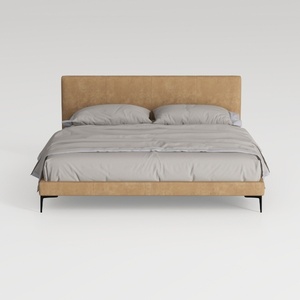

East West Furniture GBF-28-Q Granbury Queen Size B

Glory Furniture Aaron Faux Leather Upholstered Ful
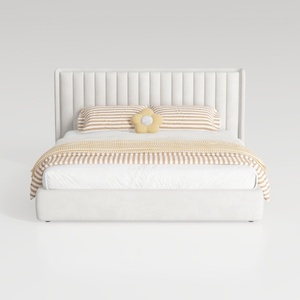
VELOCAVA King Size Lift-Up Storage Bed, Linen Ligh
Looking to transform your space? Homestyler is the ultimate online home design platform! With its user-friendly design tool, stunning 3D renderings, inspiring design projects, and helpful DIY video tutorials, you’ll effortlessly bring your dream home to life. Start your design journey today!
Zaprojektuj teraz za darmo
































