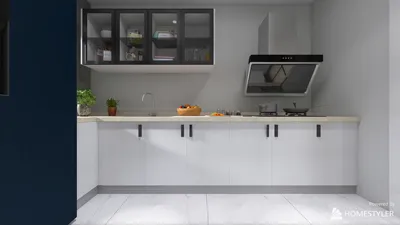


Over my experience in replacing and building sliding closet doors, I've discovered several consistent benefits: enhanced sightlines, improved floor clearance, and functional storage solutions. Before diving into installation, it's crucial to base your project on precise measurements, track quality, and necessary clearances. Studies in workplace environments show that organized storage can lead to time savings; for instance, Steelcase highlights that a well-thought-out storage system can reduce search times by 15–20%—a principle that is equally applicable at home when doors glide smoothly and clutter remains out of view. Additionally, proper lighting plays a significant role; according to IES guidelines, a typical closet task plane should maintain a brightness of approximately 100–200 lux to ensure adequate visibility while minimizing glare. This affects both the appearance of materials and the details of edges to prevent reflection issues when doors are in motion, making “ Homestyler” a great tool to visualize these aspects.
Ergonomic design is essential in every detail. Research from Herman Miller indicates that minimizing repetitive reaches and awkward angles can reduce user strain; when applied to closet design, this suggests that handles should be positioned between 34–42 inches off the floor and tracks should operate with low rolling resistance to require less force. From a behavioral perspective, studies by Gensler suggest that removing small impediments supports smoother daily activities—doors that glide without sticking can keep your mornings running on time. If you're designing a door setup across a bedroom wall, consider achieving a visual rhythm; using panel ratios of 1:1 or 2:1 tends to create a more balanced aesthetic, especially if it corresponds with the widths of headboards or dressers in the space.
Evaluate the Opening and Select Your Sliding System
Begin by measuring the clear opening width and height at three different points (top, center, bottom; left, center, right) and use the smallest dimension for accuracy. Most two-panel sliding door systems fit openings that measure between 60–72 inches wide and 80 inches high, although custom trims can be utilized for specific needs. For a standard bypass system, plan for a 1–1.5 inch overlap between the doors to ensure privacy and dust protection. If your closet requires full access to one side, a bypass track is optimal; however, if both doors need to clear the opening, a bi-parting barn track with returns is advisable while ensuring adjacent wall space is at least equal to the width of each door.
The quality of hardware is imperative. Seek ball-bearing or nylon-wheel rollers that exceed the door's weight rating by at least 25%. In high-traffic bedroom areas, I prefer quiet, damped closers to mitigate impact noise and protect finishes; acoustic comfort is often overlooked in sleeping spaces. Soft-close mechanisms additionally help prevent pinch points and maintain door alignment.
Design the Layout and Required Clearances
Sliding systems necessitate strict clearance margins. Typical top tracks should allow for a 1/2–3/4 inch reveal above the door, while bottom guides need a 3/8–1/2 inch gap. Ensure a minimum of 2 inches from the door’s bottom to the finished floor, especially if heavy rugs are used. When aligning multiple closets along a wall, I model sightlines and handle heights for consistency—balanced horizontal lines help reduce visual clutter and contribute to a calming ambiance in smaller rooms.
If you're laying out a closet in a bedroom or studio and need to visualize door overlap and maintain clear pathways, consider using a room layout tool like Homestyler to test proportions and flow. Ensuring that pathways have widths ranging from 30 to 36 inches in front of the closet allows you to stand, squat, and access storage bins without obstructing the doors.
Choose Door Style and Materials
The material you select sets the tone and dictates maintenance demands. Painted MDF panels offer clean edges and budget-friendly options; solid wood frames with veneered cores provide a balance of durability and weight. Mirrored panels can create an illusion of space in smaller rooms and reflect light, but be cautious as they can also amplify glare when placed in direct sunlight—maintain color temperatures around 2700–3000K for cozy bedrooms and opt for softened lighting fixtures to avoid harsh reflections. For a sleek appearance, consider shaker rails at widths of 2–2.5 inches or full-height slabs with integrated pulls. If sound dampening is a priority, felt-backed panels or cork-laminate inserts can subtly minimize high-frequency noise from hallways.
In humid environments, opting for moisture-resistant cores and sealed edges is wise. Aluminum-framed systems provide lighter and more stable constructions, particularly in closets situated close to bathrooms. A sustainable approach includes choosing low-VOC finishes and FSC-certified wood; long-lasting hardware decreases the frequency of replacements, marking a significant sustainability victory in smaller projects.
Color and Finish Strategy
Understanding color psychology is highly valuable. According to research from Verywell Mind, shades of blue and green promote calmness and restoration—ideal for bedrooms—while vibrant reds can energize a space and are best used sparingly as accents. I often match closet doors to the wall color in a satin finish for a seamless look, then introduce texture (such as ribbed panels or linen laminate) to provide contrast. If you desire a standout element, pick a warm wood tone that complements the flooring; maintaining a moderate contrast ratio will prevent the space from feeling visually chopped.
Hardware: Tracks, Guides, and Pulls
Top-mount bypass tracks keep the floor clear and simplify cleaning. Utilize continuous aluminum tracks equipped with anti-jump features, securing them into ceiling joists or sturdy headers. Bottom guides should be low-profile and precisely aligned; using a laser line can help ensure the channel parallels the top track perfectly. For tactile comfort, choose pulls that are at least 5 inches in length and have soft edge radii; recessed pulls are effective in tight spaces but ensure they allow enough clearance for fingers against the door thickness.
Illuminating the Closet Zone
Effective lighting can elevate the closet experience significantly. I size LED strips or low-glare downlights to achieve around 150–200 lux across shelving. Position light sources strategically to safeguard sightlines—avoiding direct visibility of bulbs when the doors are open is essential. Using warm-to-neutral color temperatures (2700–3500K) can maintain accurate color representation without a clinical feel; achieving a high Color Rendering Index (CRI) of 90+ is beneficial for matching clothing colors. Installing a door-activated switch or a PIR motion sensor ensures ease of access without fumbling in the dark.
Step-by-Step Installation
Start by removing any old trim or tracks, fixing drywall, and checking that the header is straight. Ensure that the installation is level within an 1/8 inch across the entire span; sliding systems can amplify even minor errors.
Identify the positioning of studs or a continuous header, pre-drilling to use suitable fasteners—relying solely on drywall anchors can compromise stability. Double-check that everything is level along the complete run.
Mark the centerline directly below the top track. Secure the guide ensuring doors remain plumb and do not bind. If necessary, use a plywood spacer under the guide to enable clearance over carpets.
Attach hangers to the tops of the doors, raising them into the track and engaging rollers. Adjust height and plumb positioning utilizing eccentric wheels or set screws. Confirm consistent reveals where overlaps occur.
Install soft-close cartridges in accordance with the manufacturer’s guidelines. Set end stops to prevent the handles from colliding with the casing.
Drill holes for the pulls using a backer block to prevent tear-out. Apply edge tape or a thin clear bumper where panels meet to minimize noise during operation.
Cycle each door 20–30 times to break in the rollers, ensuring they operate smoothly. After testing, tighten all fasteners to secure them properly.
Acoustic and Comfort Considerations
Sliding doors can produce noise if gaps are not aligned properly. Installing brush seals at vertical overlaps can muffle movement and keep dust at bay. For bedrooms that require quiet, utilizing soft-close mechanisms along with felt bumpers at jamb points can mute impact sounds significantly. If you’re working in an apartment setting, using a dense core door (weighing 35–45 lbs per leaf) effectively dampens vibrations without overburdening residential-grade rollers.
Safety and Accessibility
Keep in mind possible pinch points; avoid exposing overlapping edges near children’s rooms. Consider ADA-compliant pulls with a 1.5-inch grasp clearance and heights that accommodate those seated. Should mirrors be included, opt for safety-backed glass. All fasteners should be out of reach from small hands or concealed behind protective caps.
Cost, Timing, and Common Pitfalls
Budgeting can vary widely: a standard mid-range bypass system with a soft-close mechanism generally costs between $250 and $700 for materials, plus expenses for paint or veneer finishes. Expect to allocate 4–6 hours for a confident DIYer, or a weekend including paint and patching work. The most frequent mistakes I encounter include installing into weak drywall, neglecting shims, misalignment of bottom guides, and handles that interfere with trim. Spending an extra 20 minutes on laser leveling can save hours of rework later.
Frequently Asked Questions
Most residential systems accommodate door thicknesses ranging from 1 3/8 to 1 3/4 inches. Thicker doors may reduce noise but require rollers and tracks specifically designed to handle the additional weight.
See to it that there is a 1–1.5 inch overlap to guarantee privacy and accommodate minor alignment variances. Overlapping more than necessary can add a bulky appearance and limit accessibility.
Bypass systems typically include a bottom guide to prevent swaying. Top-hung barn door styles can be entirely floor-clear, but necessitate an inconspicuous floor guide to curtail lateral movement.
Install handles so they are positioned between 34–42 inches off the finished floor. This measurement aligns with ergonomic reach zones, minimizing shoulder strain as per human factors standards.
Utilize low-glare LED strips or recessed fixtures to provide approximately 150–200 lux on shelves, ensuring color temperatures range from 2700–3500K with a CRI of 90+. Concealing light sources helps mitigate glare when reflected in mirrors or glossy surfaces.
Indeed—mirrors can create an illusion of greater space and reflect light effectively. Position them thoughtfully to minimize direct reflections from windows, and employ warm, diffused lighting to lessen glare.
Make sure the bottom guide is positioned centrally and parallel to the top track; add anti-jump clips and install brush seals at overlaps. Double-check that the header and track are adequately level.
Select rollers rated at least 25% more than the actual weight of the door. For heavier materials such as glass, upgrading to ball-bearing assemblies that are compatible with soft-close features is recommended.
Absolutely. Soft-close systems diminish impact noise and long-term misalignment risks, which is particularly advantageous in bedrooms where sound quality can significantly enhance the overall ambiance for a modest cost.
Softer, low-contrast doors blend seamlessly with walls, creating a tranquil effect in small spaces; warm woods provide richness. Bright colors can energize the environment but may appear busy across larger surfaces—apply them judiciously.
Ensure around 2 inches of clearance is maintained if you have rugs; otherwise, a typical clearance of 1/2–1 inch is advised. Always check your guide hardware specifications to prevent any dragging issues.
Certainly. Shim the header and jambs to achieve plumb/level within 1/8 inch, then adjust roller heights to finalize reveals. Scribing a filler strip may conceal larger discrepancies effectively.
Homestyler is your go-to platform for home design! With its user-friendly online design tool, stunning 3D renderings, and a wealth of design projects and video tutorials, you can effortlessly create and visualize your dream space. Let your creativity shine!
지금 무료로 디자인하세요
































