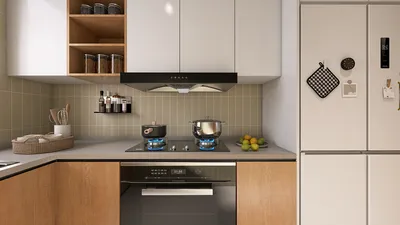


Having explored numerous storage solutions, I've found that a well-designed bottle basket, particularly with the help of Homestyler, has emerged as an indispensable organizer in my kitchen. This thoughtful basket design keeps hydration options easily accessible, reduces noise from glass bottles clanging together, and optimizes limited cabinet space. Effective organization not only enhances appearance but also influences behavior. Research from Steelcase suggests that environments that minimize friction in daily routines foster healthier habits and encourage consistent use. This basket accomplishes just that by establishing a clear, easy-to-follow arrangement for water bottles, thermoses, and carafes.
The importance of ergonomics is on par with aesthetics. The WELL v2 framework emphasizes that items regularly in use should be easily reachable to lessen physical strain and decision fatigue (WELL v2 Movement Concept). When bottles are organized vertically with sturdy dividers, each access is straightforward—no awkward wrist movements and no noisy glass collisions. My current layout adheres to this principle: it features consistent spacing, designated grip points, and an organized view of what’s clean and ready to use, all aided by the effective organization tools like Homestyler.
How a Bottle Basket Addressed My Daily Challenges
- Counter clutter eliminated: vertical slots increased my prep surface area without requiring additional cabinetry.
- Improved glass handling: separate compartments prevent tipping and loud crashes.
- Streamlined morning routine: a visual arrangement clearly indicates which bottle is designated for the gym, office, or children.
- Enhanced hydration practices: keeping bottles visible contributes to regular use—an example of behavioral design essentials.
Selecting the Perfect Basket: Consider Size, Materials, and Grip
I prioritize three key aspects: size, protection, and ease of cleaning. Size means aligning the basket height with the height of bottle necks for a lower center of gravity—this significantly reduces tipping hazards. Protection is essential; dividers or cushioned edges that separate glass from stainless steel are crucial. Cleanability is non-negotiable: removable bases prevent liquid buildup and facilitate easy weekly cleanings.
- Powder-coated steel: durable, slim profile, and long-lasting. Pair with silicone bumpers for glass.
- Solid bamboo or beech: has a warm feel, naturally resists slipping but requires a sealed finish to fend off moisture.
- Recycled PET felt: quiet and protective, suitable for various materials, although it demands regular vacuuming.
- Food-grade polypropylene: lightweight and easy to clean; choose a 3–4 mm thickness for stability.
Ergonomics and Reach Zones
Bottles intended for daily use should be placed 24–48 inches from the floor, as this is optimal for adult reach in accordance with ergonomic guidelines. Position heavier insulated bottles in the front and lighter squeeze bottles towards the back. A slim basket width of 10–12 inches fits nicely on most counters, avoiding appliance cord congestion. The orientation of the handles also matters; I prefer side-grip handles for an easy slide forward without twisting the wrist excessively.
Placement Strategy: Where to Place the Basket
I experimented with three placements before selecting the best one: next to the sink for easy refills, within a pull-out cabinet for a clean aesthetic, and on the island’s edge for convenient access. For weekdays, proximity to water was key; however, the pull-out option is ideal for hosting situations. If you’re exploring options, consider mapping out your prep triangle (sink-fridge-work surface) and position the basket at the intersection that minimizes trips. Using a lightweight layout planner like Homestyler can help visualize the setup before committing to a purchase.
Capacity Planning: How Many Bottles Fit Comfortably
For a family of four, I recommend a basket with 8–10 slots: two bottles per person for daily use and backups. Slot sizes should be 3–3.5 inches for standard reusable bottles, with perhaps two 2.5–2.75 inch slots for children’s bottles or pour-over carafes. It’s wise to maintain a 0.5 inch gap between bottles to prevent noise. A drip tray featuring 2–3 mm perforations facilitates airflow, enhancing drying speed post-wash.
Lighting, Color, and Behavioral Signals
Appropriate lighting minimizes spills and allows for thorough cleanliness checks. The Illuminating Engineering Society advises aiming for 300–500 lux for kitchen tasks; I target approximately 400 lux above the basket with a warm-neutral 3000–3500K strip light to provide a balanced ambiance. Additionally, incorporating color cues can be beneficial. Shades of blue and green are associated with tranquility and clarity in color psychology, prompting me to choose a muted sage liner—subtle yet effective in encouraging the habit of refilling and maintaining organization.
Noise Reduction and Surface Protection
The impact of acoustic comfort in kitchens is often overlooked. Using a silicone or felt mat under the basket absorbs the sound from stainless steel bottles clashing with metal. When placing items on stone countertops, it’s wise to add soft feet to prevent micro-scratches. Moreover, lining metal dividers with 1 mm silicone tape markedly reduces clinks and protects the powder-coated surfaces.
Cleaning and Sanitation Routine
- Daily: a quick wipe with a towel to remove moisture; ensure the base stays dry.
- Weekly: take out the liner, wash it with mild dish soap, rinse thoroughly, and let it air dry.
- Monthly: sanitize with a food-safe solution, inspect screws or welds, and replace worn bumpers.
Sustainability Considerations
Opt for materials like recycled steel or FSC-certified wood, along with durable silicone to reduce reliance on single-use foam. If you frequently transport cold beverages, consider adding a thin, reusable cork insert that is both renewable and naturally antimicrobial, as well as easy to replace.
My Preferred Configurations
- Narrow kitchen: 2-row, 8-slot steel basket with a side handle, positioned beside the sink within easy reach.
- Family island: 3-row, 10-slot basket featuring various diameter slots; kids’ bottles in the front, adults’ daily bottles in the middle, and sports bottles in the back row.
- Entertaining setup: the basket is moved to the bar cart with two slots left for wine aerators and a carafe brush.
Safety Considerations for Glass Bottles
Always keep glass bottles at least 2 inches away from the counter edge to prevent falls. Adding a rear lip on the basket will help contain bottles and prevent roll-away when accessing it. In homes with children, utilize silicone sleeves around glass and place glass bottles in the middle section—stable, easy to see, and less accessible to small hands.
Quick Installation Tips
- Measure your tallest bottle to ensure the design allows for adequate height clearance.
- Ensure there’s ventilation around wet items to avert odors.
- Use non-slip pads or 1 mm polyurethane mats on polished stone surfaces.
- For tall faucet arcs, leave about 3–4 inches of vertical space for easy filling.
When a Pull-Out Basket Outperforms Countertop Options
While open counters can look appealing, hidden storage may enhance focus while preparing meals. Based on my experiences, a pull-out storage solution located immediately beneath the sink maintained a smooth refill process while eliminating visual distractions. This approach is particularly effective in compact kitchens where every square inch of workspace holds significant value.
Frequently Asked Questions
An 8 to 10 slot basket works effectively—providing two bottles per person suits daily needs and ensures a clean spare without overcrowding.
Slot sizes of 3–3.5 inches accommodate most insulated bottles; including a couple of 2.5–2.75 inch slots allows for slim or children’s bottles.
Positioning near the sink simplifies refills, or you can opt for a pull-out beneath the sink if you prefer a tidier appearance. Ideally, alignment within your sink-fridge-prep triangle reduces unnecessary movement.
Incorporate a silicone or felt liner, place soft pads beneath the basket, and line dividers with thin silicone tape for improved functionality and longevity.
Aim for task lighting between 300–500 lux; I typically target around 400 lux at 3000–3500K to achieve clarity without overwhelming glare, consistent with IES guidelines.
Metal constructions yield superior stiffness and thin profiles, while wood lends warmth and grip. Both materials work effectively when sealed, well-ventilated, and paired with protective bumpers.
Implement a maintenance routine of daily drying, washing with mild soap weekly, and disinfecting monthly. Ensure all liners and base areas are completely dry.
Select a basket that is 10–12 inches wide with vertical slots and side handles, allowing for easy forward movement without lifting into the splash zone.
Yes—ensure that slot sizes accommodate your bottles and consider adding a cork or silicone insert for cushioning. Central placement of glass items is advisable.
Hues such as calm blue or green can subtly encourage orderly behaviors; tap into color psychology insights when choosing liners or finishes.
Secure glass items in the middle row, apply silicone sleeves for additional safety, and verify that the basket features a rear lip to prevent rolling during use.
Homestyler is your go-to online home design platform! With its easy-to-use design tool, stunning 3D renderings, and a wealth of DIY video tutorials, you can effortlessly create and visualize your dream spaces. Dive into exciting design projects and let your creativity flow!
تصميم الآن مجانا
































