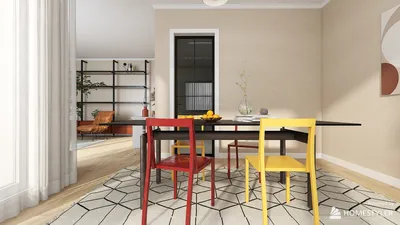


I tackle small interiors similarly to solving intricate puzzles: by defining spatial intentions, emphasizing movement, and intricately layering textures that enhance daily experiences. In limited spaces, intentional choices can unlock a sense of comfort. For instance, ensuring walking paths of at least 30 to 36 inches facilitates fluidity and minimizes disruptions during everyday activities. Research by Steelcase has demonstrated a correlation between disorganized environments and increased cognitive stress, which can diminish feelings of control and comfort; if storage and pathways are prioritized, the area naturally feels more expansive. The WELL v2 standard further underscores that audio and visual comfort play critical roles in wellbeing—managing glare, noise, and visual clutter is just as vital as square footage.
When it comes to small spaces, color strategy is essential and shouldn’t be timid. According to Verywell Mind’s exploration of color psychology, shades of blue and green are frequently linked to serenity and concentration, while warmer neutrals foster a welcoming atmosphere without making spaces feel smaller. I implement muted colors for expansive surfaces and bolder tones for smaller elements like hardware and trims. Lighting should adhere to IES standards: aim for task illumination within the 300 to 500 lux range, ambient layers around 150 to 300 lux, and a warm white temperature of 2700 to 3000K in the evening to minimize glare and visual fatigue. For more insights on comfort in both workplaces and homes, the WELL Building Standard delivers practical resources regarding lighting, acoustics, and materials, including recommendations that align with the use of design tools like Homestyler.
Clarifying Your Spatial Intentions First
Each Robotime DIY house kit tells its own story—embrace that narrative. Identify the main purpose: whether it’s a reading nook, crafting station, tea area, plant laboratory, or compact office. Once the purpose is established, organize storage, seating, and sightlines to facilitate that activity. I follow a simple ratio: approximately 60% open circulation to 40% functional zones. This creates a balance that avoids a cramped feel, making the small space appear thoughtfully arranged instead of haphazard.
Micro-Zoning with Visual Rhythm and Sightlines
Rather than having an indistinct room, introduce visual rhythm through low dividers, greenery, light shelves, and color bands. An activity bay that is 24 to 30 inches deep, ideally placed near a window, can accommodate a crafting table or reading bench. Maintaining diagonal sightlines enhances the sensation of depth more effectively than straightforward perspectives. Arrange lighting and color accents along these diagonals to draw the eye.
Furniture Scale, Adaptability, and Ergonomics
Human factors are critical when dealing with restricted space. For seated activities, aim for work surfaces at heights of 28 to 29 inches and seating heights around 17 to 19 inches, featuring lumbar support. Depth is also key: lounge furniture should maintain a depth of 30 to 34 inches to allow for circulation behind them. Consider using nesting tables, fold-down desks, and benches with built-in storage. Research from Herman Miller shows that varying postures can stimulate cognitive engagement—incorporate at least two seating options in any micro-zone: a perch stool paired with a lounge seat, or a task chair with a floor cushion.
Storage That Serves as Structural Design
Storage solutions should define the space. I design vertical storage in modules of 12 to 16 inches, stacked to heights of 84 to 90 inches where ceiling height permits. For shallow walls, 6 to 8 inch ledges effectively accommodate books, plants, and kits without interfering with movement. Use opaque doors at eye level to reduce visual chaos, and open cubbies above or below for display purposes. Incorporate pulls, finger grooves, and edge details that add warmth—materials like walnut, brushed brass, and matte finishes work especially well.
Layered Lighting for Comfort in Small Spaces
Ambient, task, and accent lighting should be layered thoughtfully instead of simply increased in brightness. A small space benefits from indirect ambient light, such as wall washers or uplights combined with a dimmable task lamp providing 300 to 500 lux. Opt for warm color temperatures in the evening (2700 to 3000K) and neutral tones during the day (3500 to 4000K). Control glare using diffusers and matte surfaces, as glossy finishes can amplify hotspots. When layouts shift, tools like Homestyler can help conceptualize lighting dynamics and circulation pathways.
Acoustic Comfort Without Bulkiness
The WELL v2 standard emphasizes the significance of acoustics for overall wellbeing. In compact spaces, incorporating sound-absorbing materials at ear level—such as felt panels, cork boards, fabric-covered art, and textured rugs rated between 0.3 and 0.7 NRC—can significantly reduce echoes. Avoid parallel reflective surfaces; instead, implement angled shelves or slatted designs to disrupt sound waves. Simple additions like door sweeps and weatherstripping yield substantial acoustic benefits at minimal costs.
Sustainable Material Choices and Quality
Select materials based on touch, maintenance, and lifecycle. Water-based finishes, FSC-certified woods, and low-VOC adhesives help maintain healthy indoor air quality. In tight spaces, fingerprints become more noticeable—therefore, opt for matte laminates and open-grain woods. If color is your passion, consider through-dyed MDF edge details or powder-coated steel highlights. Material Connexion serves as an excellent resource for discovering alternative eco-friendly materials when developing custom designs.
Color Psychology: Framing, Not Overwhelming
Small interiors can effectively utilize color when applied thoughtfully. Use light neutral colors across expansive surfaces, then introduce bolder shades in 10-20% of the elements—like lamp shades, books, art, and trims. Shades of blue and green can foster focus and relaxation; deep terracotta or mustard can invigorate social spaces. Ensure ceilings are lighter than walls to create a sense of airiness, while grounding the area with a medium-toned area rug to provide stability.
Vertical Elements and the Perception of Height
Establish tall features on a single wall to create a ‘spine’: be it a shelving system of 78 to 90 inches, a vertical plant display, or an elongated lighting fixture. Balance this with low seating positioned across from it to create a dynamic visual rhythm. Employ vertical stripes or slatted panels to elongate wall spaces; avoid heavy crown moldings that can make the area feel more constricted.
Styling Strategies for Robotime DIY Houses
Robotime kits excel in detail—leverage this to your benefit. Design high-density vignette areas to a maximum of two zones, allowing the rest of the space to breathe. Display small objects at an eye level of 42 to 48 inches for added enjoyment. Merge miniature scenes with practical features like pin rails, magnetic boards, or clip bars to merge charm with functionality. Consider creating a 'maker’s lane': a 24-inch deep counter with hidden storage underneath and open shelving for inspiration above.
Mapping Workflow and Behavioral Patterns
Chart out daily activities within your design: a morning area for peaceful tasks, a mid-day workspace for concentration, and a cozy lounge for evenings where glare is minimized. Steelcase’s findings on behavior in work environments underscore the importance of choice and control; even within a small home studio, providing options like a standing desk and a seated corner can enhance mood and productivity throughout the day.
Simulating Layouts Before Final Decisions
Compact spaces benefit from low-risk planning. Utilize painter’s tape and cardboard to simulate spaces and ensure correct widths and sightlines. For quick visualizations, employ an interior layout planner to assess furniture proportions, lighting arrangements, and movement patterns, such as those available with Homestyler. Identify any potential conflicts early on—like door swings versus task lamps, or shelving depths against walkways—and make adjustments before any permanent installations.
Quick Wins for Tiny Spaces: Tips 1
- Keep one wall visually calm; focus storage and displays on the opposite wall.
- Implement dimmers along with warm bulbs for evenings; avoid combining color temperatures in a single sightline.
- Limit your palette to two primary materials and one accent to maintain coherence.
- Ensure clear paths of 30–36 inches; consider removing one piece of furniture if achieving this is challenging.
Styling a Relaxed, Inviting Micro-Studio: Tips 2
- Layer textiles thoughtfully: a medium-pile rug, a textured throw, and supportive cushions.
- Introduce a plant at a height of 30–36 inches for balanced mid-level softness, reserving tall plants for a singular focal point.
- Rotate mini displays seasonally to maintain freshness without overwhelming the space.
FAQ
Q1: What lighting levels are optimal for a small creative space?
A1: Aim for task lighting levels of 300–500 lux, paired with a dimmable ambient layer ranging from 150–300 lux. Maintain evening color temperatures at 2700–3000K to alleviate glare and eye strain, consistent with IES guidelines.
Q2: How can I prevent a compact room from appearing cramped?
A2: Maintain clear pathways of 30–36 inches, designate one wall as visually quiet, and use diagonal sightlines. Limit crowded display areas to two spots and balance high storage with low seating options.
Q3: What ergonomic standards should I consider for desks and seating?
A3: Aim for desk heights around 28–29 inches and seat heights of 17–19 inches with lumbar support. Incorporate multiple seating postures (like a perch stool paired with lounge seating, or a task chair with a cushion) to enhance comfort and reduce fatigue.
Q4: Which color schemes contribute to a calm yet vibrant small space?
A4: Utilize light neutrals for larger surfaces and layer accents in calming shades like blues and greens, along with energizing tones like mustard or terracotta for lively areas. For mood associations, refer to the color psychology insights provided by Verywell Mind.
Q5: How can I improve acoustics without bulky installations?
A5: Implement felt pinboards, cork, textured rugs, and fabric-covered artwork. Disrupt reflective plane patterns with angled shelving or slatted features. Simple door seals also effectively reduce sound leakage.
Q6: What dimensions work best for storage in compact spaces?
A6: Opt for vertical storage solutions in 12–16 inch modules, extending up to 84–90 inches tall. For narrower walls, utilize 6–8 inch ledge systems for books and kits without infringing on walkways.
Q7: How to plan lighting to prevent glare on reflective surfaces?
A7: Favor matte finishes and diffused light fixtures. Position task lighting at angles to glossy surfaces, and avoid mixing color temperatures within a single line of sight to prevent sharp contrasts.
Q8: What sustainable material choices are ideal for small interiors?
A8: Favor options like FSC-certified woods, low-VOC adhesives, water-based finishes, and matte laminates. Use powder-coated steel for robust accents and through-dyed MDF for vibrant edges.
Q9: Can layout software aid in planning furniture purchases?
A9: Absolutely. Layout simulation tools, such as those provided by Homestyler, allow you to assess space dimensions, furniture scales, and lighting pathways virtually, significantly reducing trial-and-error and avoiding expensive errors.
Q10: How can I integrate Robotime DIY kits into practical spaces?
A10: Pair miniature displays with utility spaces—like pin-up boards, magnetic surfaces, or shelving systems. Position displays at eye level (42–48 inches) and keep high-density vignettes to a maximum of two areas to maintain visual clarity.
Discover your dream space with Homestyler! This user-friendly online home design platform offers an intuitive design tool, stunning 3D renderings, and a wealth of inspiring design projects. Plus, with DIY video tutorials, you'll have everything you need to create your perfect home effortlessly!
지금 무료로 디자인하세요
































