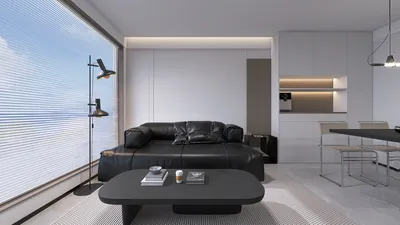


When designing wall lamps for the living room, I see it as both a functional task and an artistic endeavor: the fixtures must meet everyday lighting requirements while also influencing the ambiance, depth, and flow of the space. A well-designed living room typically doesn’t depend on a solitary light source; instead, it embraces a combination of ambient, accent, and task lighting to foster a comfortable visual experience throughout the day. Research from Steelcase indicates that effectively managed lighting can enhance perceived wellness and engagement in workplace environments, principles that apply equally at home. Balanced lighting not only mitigates eye strain but also promotes relaxation and social interaction. The WELL v2 guidelines advocate for controlling glare and maintaining an even illuminance level, suggesting a range of 300–500 lux for living areas, utilizing a variety of light sources including tools such as Homestyler for planning purposes.
Research consistently underscores the connection between lighting quality and human comfort. According to WELL v2 guidelines, flicker-free luminaires and a color rendering index (CRI) of 90 or higher are recommended for residential spaces to ensure accurate representation of colors in finishes and artworks. The Illuminating Engineering Society (IES) standards suggest ambient lighting levels of 100–300 lux for living spaces, while wall lamps can provide an accent light of 50–150 lux on vertical surfaces, enhancing the perceived brightness without increasing glare. An appropriate warm-to-neutral color temperature range of 2700–3000K is ideal for evening relaxation, whereas 3000–3500K is better suited for daytime reading and social gatherings.
Layering Lighting: Ambient, Accent, and Task
Wall lamps serve as an essential mid-layer enhancing both ceiling ambient and local task lighting. I usually establish ambient light levels at a comfortable baseline—using recessed or ceiling fixtures dimmed to about 300–500 lux near seating areas—while letting wall sconces provide a vertical illumination that visually enlarges the room. Accent wall lamps can highlight artworks and textured finishes, and adjustable swing-arm sconces cater to designated reading areas. When planning the placement of these fixtures, tools like Homestyler can quickly simulate sightlines and arrangements, ensuring heights and distances are confirmed prior to installation.
Placement, Spacing, and Glare Management
Consideration of human factors is crucial for lamp positioning. Ideally, most living room wall lamps should be mounted at a height of 60–66 inches (152–168 cm), centered near typical eye levels when seated. For pairs, maintaining a distance of 6–8 feet (1.8–2.4 m) apart guarantees an even vertical illumination, factoring in ceiling heights and furniture arrangements. To reduce glare, utilize shielded optics, frosted diffusers, or indirect lighting that reflects off walls. If your walls are painted with high-gloss finishes, select fixtures that employ cut-off optics to prevent glaring streaks. Incorporating dim-to-warm drivers that adjust from 3000K down to 2000–2200K enhances the transition from daylight brightness to intimate evening lighting.
Effect of Color Temperature on Mood
Color influences mood significantly. According to insights from Verywell Mind, warm colors are closely linked with comfort and sociability. I align this relationship with lighting choices, opting for 2700K for movie nights and 3000–3500K for social gatherings or reading sessions. Warmer wall lamps work beautifully with textured materials such as linen, plaster, and rattan, adding depth and warmth to shadows. Meanwhile, neutral 3500K lighting complements cooler palettes and modern metals, enhancing art visibility while avoiding the coldness associated with a 4000K+ spectrum in living spaces.
Selecting the Right Shade, Diffuser, and Beam Angle
Fabric-shaded sconces are excellent for softening facial lighting and minimizing harsh contrasts in conversational spaces. Opal glass globes diffuse light effectively, avoiding hot spots. For artwork lighting, a targeted beam angle of 15–25° with a high CRI ensures accurate color representation without washing out adjacent walls. For sconces that provide uplighting or downlighting, look for models that distribute light symmetrically, balancing the illumination above with grounding light below. I prefer finishes that are low in reflectivity, such as brushed brass, bronzed steel, and satin nickel, to keep distracting glare at bay.
Innovative Switching, Dimming, and Scene Controls
Living rooms thrive on adaptable lighting control solutions. It's wise to position wall lamp switches at entrances and common seating areas and to incorporate dimmers, allowing for nuanced illumination between 20–100% brightness. Implementing scene presets—such as “Reading,” “Guests,” and “Film”—can streamline your lighting routine. The WELL v2 guidelines endorse reducing glare and using flicker-free drivers; hence, investing in quality dimmers and LED modules prevents flickering and color shifts at lower settings.
Achieving Acoustic and Visual Harmony
Lighting can significantly influence the perception of acoustic comfort. Soft, shaded sconces can mitigate visual sharpness that often amplifies sound sensitivity, creating a visually calming atmosphere and alleviating cognitive strain. Utilizing grazing light on textured surfaces (like limewash or wood slats) adds depth without harsh highlights. Dispersing fixtures evenly can uphold a rhythmic design—aligning with architectural details, doorways, and artworks—to prevent an overwhelming concentration of light on one side that disrupts spatial balance.
Material Choices and Sustainability Considerations
I prefer luminaires crafted from durable metals with low-VOC finishes and interchangeable LED components. Lighting solutions with long-lasting drivers, serviceable designs, and recyclable packaging help reduce environmental impact. Natural fiber fabric shades not only diffuse well but also develop a beautiful patina over time. If natural light floods your living room, align lamp materials with your window treatments to avoid clashing colors—pair warm metals with warm woods and cooler finishes with stone or concrete.
Emerging Trends for 2024–2025: Subtle Luxury and Tactile Warmth
Current living spaces are trending towards minimalistic designs characterized by slender up/down sconces, sculptural ceramic fixtures, and linen drum shades, all enhanced by warmer dim-to-warm LED options. There's a noticeable increase in textured wall finishes and matte plaster, which beautifully interact with indirect or grazing lighting. Classic materials like blackened metals and aged brass endure, while softer nickel and pewter introduce freshness in cooler color palettes. The emphasis on discreet and user-friendly controls—such as apps or keypads for scenes—eliminates visible technological clutter.
Designing For Various Living Room Styles
- For compact spaces: opt for slim-profile sconces, position them slightly higher to widen light distribution, and ensure a soft beam to prevent scalloped effects. A combination of two to three fixtures may suffice when paired with a floor lamp.
- For elongated rooms: utilize pairs of sconces to mark transitions between zones—such as seating, reading, or media areas—and stagger additional fixtures to maintain visual rhythm. Employ a layout simulation tool like Homestyler to test spacing relative to furniture layouts.
- In rooms with high ceilings: prioritize uplighting for height; select taller backplates to match scale, and use dim-to-warm features to avoid a cavernous impression.
- For media rooms: focus on indirect lighting and low brightness settings to curtail screen reflections. A temperature of 2700K with dimming capabilities down to 10% is effective.
Essential Installation Considerations
Always verify junction box locations after placing your sofa, not beforehand, to align the lighting with eye levels when seated. Ensure there’s sufficient backing in the walls to support heavier fixtures and maintain accessible wiring for future LED driver replacements. Assess glare from typical seating positions; if the bulb is visible, opt for diffused or shielded designs.
Illustrative Examples of Successful Combinations
- Two fabric-shaded sconces framing artwork, complemented by a floor lamp behind the sofa, cultivate a warm, conversational atmosphere without harsh highlights.
- Slim up/down sconces placed along a textured wall, combined with soft recessed ambient lighting, create a calm layered effect ideal for photography.
- Adjustable wall lamps near a reading chair paired with a table lamp facilitate a versatile setup for reading and hosting, offering independent control of lighting zones.
Frequently Asked Questions
Mount most sconces at a height of 60–66 inches (152–168 cm), adjusting higher for tall spaces or larger shades to keep the light source out of direct sight.
Aim for an ambient level of 100–300 lux, with wall lamps adding an additional 50–150 lux on vertical surfaces. Ensure the total layers remain dimmable up to 300–500 lux for optimal reading or socializing.
Utilize 2700K for cozy evenings and 3000–3500K for clarity during the day. For more adaptable moods, select dim-to-warm drivers that shift from 3000K down to around 2200K.
Indeed, a CRI of 90+ ensures natural skin tones and accurate material colors—essential near artworks and textured finishes.
Small rooms can effectively incorporate two to three sconces while larger or elongated areas may require four to six distributed strategically across different zones. Ensure balance with overhead or floor/table lighting.
Prefer diffusers made of opal glass and fabric shades, along with indirect light sources and low-reflectance finishes. Position lights to prevent direct line-of-sight from seating to the light source.
While wall lamps can effectively anchor lighting in smaller intimate rooms, most living spaces benefit from a mix of ceiling ambient, wall accent, and task lighting.
Position sconces approximately 6–8 feet (1.8–2.4 m) apart for even brightness; adjust placements based on ceiling height, wall dimensions, and focal points such as artwork or shelving.
Scene-based dimming options like “Film,” “Guests,” and “Reading” are highly practical. Ensure all drivers and dimmers are flicker-free to maintain comfort in lighting, as reflected in WELL v2 guidance.
Finishes such as brushed brass, bronzed steel, and satin nickel not only resist fingerprints but also minimize glare. Natural fiber shades provide gentle diffusion and develop gracefully over time.
Gentler, diffused lighting helps to alleviate visual harshness, which can otherwise amplify noise sensitivity. A calming visual climate can significantly enhance the acoustic comfort of a room.
Focus on indirect lighting, shielded sources, and maintaining low dim levels to prevent reflections on screens. Keep wall sconces out of direct sightlines from entertainment displays.



Homestyler is your go-to online home design platform that makes creating the perfect space easy and enjoyable. With its user-friendly design tool, stunning 3D renderings, inspiring design projects, and DIY video tutorials, you can effortlessly transform your ideas into reality. Start designing today!
Design Now for FREE
































