

For over ten years, I have successfully specified and installed wall air conditioning units in various settings, including apartments, studios, and compact home offices. The keys to ensuring client satisfaction revolve around correctly sizing the units, minimizing noise and drafts, and seamlessly integrating the air conditioning system with existing electrical and structural features. In smaller spaces, any errors can be more pronounced—oversized units tend to short-cycle, while under-sized units do not perform effectively, often creating cold spots. The ultimate goal is to achieve a tranquil, balanced microclimate that aligns with your living or working habits—something that can be effectively managed using tools like Homestyler.
Two primary factors guide initial decisions regarding air conditioning. The WELL Building Standard v2 indicates that most occupants thrive in thermal comfort ranges of approximately 20–24°C (68–75°F), where controlling drafts and allowing individual adjustments lead to higher satisfaction. Research from Steelcase highlights that thermal discomfort can impair productivity and elevate distractions, especially when temperatures exceed approximately 75°F. This insight illustrates the importance of stable settings and low noise levels in limited spaces. In practical terms, we need to take into account room dimensions, the quality of the building’s envelope, internal heat generation, and the height at which the unit is mounted to ensure smooth and unobtrusive air distribution. For comprehensive comfort standards, it's worth consulting WELL v2's benchmarks on thermal comfort and controllability via their Thermal Comfort concept available at wellcertified.com.
How to Properly Size a Wall AC for a Small Room
Accurate sizing is crucial to avoid the short-cycling and noisy operations of wall ACs. Typically, a bedroom that measures around 120–180 sq ft with average insulation will require between 6,000 and 8,000 BTUs. If exposed to direct afternoon sunlight or equipped with many electronics, increase this by 10–20%. Conversely, if the room has improved insulation and low internal heat loads, you may reduce the needed capacity. When planning to use the AC overnight, consider inverter-driven units that can modulate their output smoothly instead of simply switching on and off. Oversizing beyond 25% can contribute to increased humidity and noise, as the unit fails to operate long enough to efficiently dehumidify the area.
Placement: Mounting Height, Wall Selection, and Airflow
For through-the-wall air conditioning systems, it is advisable to position the unit centrally on the longest available wall, directing the airflow across the room to enhance mixing. Avoid placing it near high shelves or deep window returns that could obstruct airflow. Ensure that the return vent is not positioned directly across from a door to prevent drafts within hallways. In compact studio settings, maintaining a placement height of 7–8 feet can help direct airflow away from occupants’ faces and minimize the sensation of drafts. When redesigning the room’s layout or arranging furniture around the unit, simulate airflow patterns to avoid dead spaces; using an interior layout tool can help visualize airflow and comfort level prior to making any physical changes.
Noise Control and Acoustic Comfort
Quiet operation is essential for optimal sleep and productivity. Prioritize air conditioning units with low decibel ratings (ideally in the low 50s dBA at medium fan speeds for small spaces) and check for features such as compressor isolation and multiple fan speeds. Properly sealing the wall sleeve is crucial, as gaps around it can lead to sound leakage and allow external noise to enter. Additionally, consider incorporating soft materials—like rugs and fabric panels—to absorb any fan noise. Continuous low-speed operation typically maintains a steady noise level, making it less perceptible than frequent cycling.
Ventilation, Filtration, and Humidity Management
Wall ACs primarily focus on cooling and dehumidifying rather than providing fresh air. If ventilation is necessary, opt for models with a controllable outdoor air intake or integrate a dedicated trickle vent. Maintaining relative humidity levels between 40–60% is essential to reduce dust mites and protect finishes; inverter units generally excel in managing humidity levels evenly. Align your maintenance routine by replacing or cleaning filters monthly during peak usage times, and ensure that if you've air-sealed the sleeve, it has a slight external slope and a management plan to prevent moisture damage and mold.
Energy Efficiency and Electrical Considerations
Seek air conditioning units equipped with high-efficiency inverter compressors and favorable seasonal efficiency ratings. For many small rooms, a dedicated 15A circuit is usually sufficient; however, always verify the unit’s amperage and starting current specifications. Minimize cord lengths and avoid using extension cords, as wall ACs require consistent power and should be connected to properly rated outlets. Utilizing programmable or smart thermostats can lower energy consumption overnight while preserving comfort levels.
Thermal Zoning and User Control
Compact spaces can greatly benefit from straightforward control systems. Set the temperature between 72–75°F during the day for optimal focus, and lower it slightly at night for improved sleep comfort. Avoid using maximum fan speed with low-temperature settings to prevent drafts and temperature fluctuations. Options for remote controls or integrated apps enable users to adjust fan speeds and louver positions, facilitating a more comfortable environment without creating uneven temperature pockets.
Materials Integration and Building Envelope Details
Creating a sleeve through your wall requires careful consideration of the building’s envelope. Properly flashing and sealing the exterior trim is essential, and using closed-cell foam around the sleeve as well as adding compressible gaskets can help reduce vibration noise. Interior finishes surrounding the unit—such as wood returns, plaster, or compact laminate—should be resistant to moisture. In coastal or humid regions, it's important to select corrosion-resistant sleeves and stainless fasteners to ensure durability.
Color Psychology and Comfort Perception
The hues and lighting within a space can significantly affect how temperature is perceived. Cooler shades like soft blues and muted greens can create a sensation of freshness, while warmer colors can help to mitigate the psychological chill during colder months. Keeping the air conditioning unit’s fascia neutral and matte helps reduce visual distractions; highly glossy fascias may dominate small areas and feel intrusive.
Lighting: Managing Glare, Heat Gain, and Sleep Quality
Glare can amplify the sensation of heat in a room. To regulate solar gain and prevent direct sunlight from hitting the unit, it’s effective to layer window treatments, using both sheer and blackout options. Opt for warm-white task lighting between 2700–3000K in bedrooms to support melatonin production during sleep, and switch to a cooler 3500–4000K in workspaces to enhance alertness. Be mindful of light reflections near the air conditioning unit to evade shimmering air that emphasizes drafts.
Maintenance: Essential for Quiet and Efficient Operation
Seasonally, it’s critical to vacuum coils, check condensate drainage paths, and recaulk exterior joints. Also, inspect louvers and the blower wheel for dust that can increase noise levels and reduce airflow efficiency. Ensure that shrubs and outdoor elements do not obstruct the exhaust. A clean, well-sealed unit typically operates at lower fan speeds, resulting in quieter and more efficient performance.
When is a Wall AC Preferred Over Other Options?
In older buildings where routing mini-split lines is challenging, through-the-wall units offer a simple installation and easy replacement. Renters benefit from sleeve systems that allow for replacement chassis, which minimizes wall damage and provides flexibility for upgrades without compromising the building envelope. In small home offices, isolating the cooling system from other areas significantly enhances energy efficiency and provides independent temperature control for extended work periods.
Strategizing Layout and Furniture Placement
Arrange seating away from the direct discharge of the air conditioning unit. Ensure that the head of the bed is positioned away from the airflow; ideally, align it with the foot of the bed or position it across the room. Maintain a clearance of 3–4 feet in front of the unit to avoid disrupting airflow around furniture. If it's necessary to place a desk in close proximity to the AC, angle the louver upwards and utilize side diffusers to minimize direct drafts. Testing your arrangement with an interior layout planner prior to finalizing your decision can lead to better outcomes.
Frequently Asked Questions
Typically, for small rooms, seeking capacity in the range of 6,000–7,000 BTUs is recommended, while considering factors such as sun exposure, insulation, and electronic devices. If the exterior wall receives direct sunlight, adding approximately 10–20% capacity is wise; conversely, maintaining lower capacity can be adequate if the wall’s envelope has been enhanced.
Positioning the unit at around 7–8 feet on tall walls pushes air across the room rather than directly at those inside. It is wise to avoid mounting the unit directly above the head of a bed or facing seating arrangements to maintain comfort.
Absolutely. Inverter compressors adjust their output, which minimizes cycling noise, stabilizes humidity levels, and reduces energy consumption—this is particularly beneficial in compact spaces where both sound and moisture management are key concerns.
Aim for a noise level in the low 50s dBA when set to medium fan speed. Consult manufacturer specifications, and ensure to check for features such as compressor isolation and multi-speed settings. Maintaining a clean filter and ensuring the sleeve is sealed can also help in reducing noise perception.
Most wall air conditioning units recirculate indoor air. While some come with a controlled vent, a dedicated solution is recommended for consistent ventilation. Keeping humidity levels between 40–60% is crucial for comfort and the longevity of interior materials.
Always confirm the unit’s amperage and starting current requirements; many units are designed to operate on a dedicated 15A circuit. It is advisable to avoid extension cords and ensure the outlet is appropriately rated. Smart scheduling can significantly help in managing electrical load without compromising comfort levels.
Ensure that the sleeve is configured with a slight slope towards the exterior, seal any gaps using closed-cell foam, and maintain a clear pathway for condensate drainage. Regular cleaning of coils and drains helps to prevent overflow and potential staining.
Yes, in terms of permanent installation and building envelope integrity, through-the-wall sleeves provide a more durable seal, reducing the risk of theft from street-facing windows and facilitating a neater interior finish.
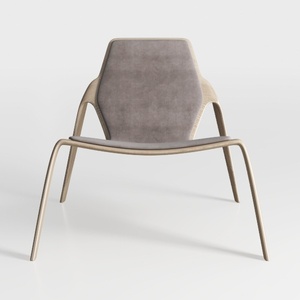

Minimalist Solid Wood Fabric Lounge Chair 3D Model


Modern Black White Striped Fabric Accent Chair with Throw Pillows 3D Model
Homestyler is your go-to online home design platform, perfect for anyone looking to create stunning spaces. With its intuitive design tool, detailed 3D renderings, and a treasure trove of video tutorials and projects, you can effortlessly bring your design visions to life. Start transforming your home today!
Progetta ora GRATIS
































