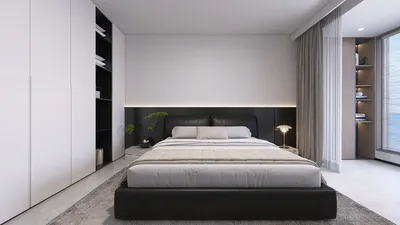


Traveling as a group of three, whether it's a family with one child, a trio of friends, or multigenerational guests, often necessitates a triple room that expertly balances personal space, efficient storage, and restful sleep. With over a decade of experience designing and evaluating hospitality layouts, I've found that the most effective triple rooms consistently exhibit three key characteristics: ergonomic sleeping arrangements, adaptable furniture, and lighting that encourages natural circadian rhythms. Research shows that implementing the WELL v2 Light concept can significantly enhance both alertness and sleep quality by optimizing timing and intensity; WELL emphasizes targeting equivalent melanopic lux during the day for biological harmony. From an acoustic perspective, guidelines from the Illuminating Engineering Society (IES) and building standards advocate for layered controls—like sound-dampening doors, soft finishes, and zoning—to minimize sound transfer, a crucial consideration when three individuals maintain different schedules.
The dynamics of the group also play a vital role. Gensler's workplace research suggests that providing options and control leads to higher satisfaction and less friction; this principle applies similarly in hospitality suites where guests appreciate micro-choices—like mobile lounge chairs, adjustable lighting, blackout options, and personal charging points. Studies by Herman Miller indicate that ergonomic considerations, including seat height (16–18 inches) and lumbar support, significantly affect comfort during extended stays, especially when a room serves as a workspace as well. For families, a triple setup accommodating varying bedtime routines—quiet reading, winding down for kids, and accommodating late arrivals—typically yields better outcomes than merely adding a third bed.
Understanding Triple Hotel Rooms
A triple room is designed to comfortably host three guests within a private setting. Common layouts generally fit into three categories: three twin or single beds; one double or queen bed accompanied by a single or sofa bed; or a bunk bed configuration over a queen. Bed dimensions may differ by location, but standard single beds usually measure around 90×190 cm (36×75 in), whereas queens are approximately 152×203 cm (60×80 in). The most effective triple accommodations ensure a minimum circulation space of 60–75 cm (24–30 in) around beds to allow unobstructed movement without disturbing fellow guests.
Popular Configurations for Triple Rooms
1) Three singles in parallel: Perfect for adult companions. Incorporate nightstands or a shared ledge between beds to create symmetry and equal access to power outlets. 2) One queen bed plus one single: Suitable for a parent with a child. Slightly offset the single to minimize noise and light disturbances. 3) Queen bed with a lofted bunk (single): Excellent for space-constrained urban hotels; ensure there is at least 90 cm (36 in) headroom and proper safety guardrails. 4) A queen bed complemented by a sofa bed: Provides daytime seating; opt for tri-fold mechanisms equipped with supportive decking to avoid uncomfortable pressure points.
Essential Space Planning Considerations
Clearancing: Ensure a minimum of 90 cm (36 in) from entry to the bed edge and 110–120 cm (43–47 in) around the bathroom door to accommodate swing space. Luggage: Plan for 100–120 cm (39–47 in) of open shelving along with a low bench to allow three guests to organize their bags without obstructing passage. Privacy: Consider using partial screens, headboard wings, or sliding panels to visually separate the third sleeper—small adjustments can greatly reduce disturbances. If exploring various bed orientations or validating clearances, a user-friendly room planner can assist in envisioning layouts prior to booking or renovation; utilizing a room layout tool can help simulate bed placements and circulation.
Lighting for Comfort, Sleep, and Control
Layered lighting becomes increasingly important with three occupants. Aim for 200–300 lux of ambient lighting for general tasks, 400–500 lux at the desk, and 150–300 lux for warm reading lamps by the bedside. Utilize warm lighting (2700–3000K) for evening use, and neutral lighting (3500–4000K) for desk activities. Individual switches and dimmers at each bed can minimize late-night disruptions. Shielded fixtures or lensing can aid in glare control; maintaining a low Unified Glare Rating (UGR) near workspaces prevents eye strain. For optimal results, incorporate WELL v2 Light strategies for circadian timing along with blackout curtains to lessen the impact of early sunrises.
Acoustics and Sleep Quality
Three guests equate to a greater potential for noise disturbances. Aim for a high ratio of soft surfaces: area rugs, upholstered headboards, and fabric drapes to absorb sound reflections. If feasible, choose accommodations positioned away from elevators or ice machines. Incorporating a white noise generator in the room can help mask sounds from the hallway. Additionally, door sweeps and seals surrounding connecting doors can minimize flanking noise. For internal zoning, it’s beneficial to place the third bed as far as possible from the door and bathroom to limit disturbances from late arrivals.
Smart Storage, Surfaces, and Charging Solutions
With three people sharing a space, clutter tends to accumulate rapidly. Prioritize the following: a) three personal hooks located near the entrance, b) at least three open cubbies or baskets for storage, c) a lengthy horizontal ledge (150–180 cm / 59–71 in) for communal toiletries and electronic devices. Ensure universal outlets and USB charging ports are accessible at each bed. A compact wardrobe (45–50 cm / 18–20 in) featuring double-hang functionality, combined with a luggage rack, keeps floors clear. For families, a wipeable drop zone by the entrance helps manage snacks, toys, and transit cards.
Bathroom Optimization for Trios
Implementing a split bath design—where one section contains a sink and toilet and another contains the shower—can significantly alleviate morning congestion. If confined to a single bathroom, add an additional mirror and shelf outside the bathroom to facilitate simultaneous grooming. Opt for pressure-balanced valves and high-efficiency showerheads that deliver between 7.6–9.5 L/min (2.0–2.5 gpm) for comfort. Hooks and ledges are essential: one for each individual inside and outside the shower. Illuminating the pathway with night lighting at floor level prevents sleep interruptions.
Bedding Comfort and Quality
Consistency across bedding selections is crucial to ensure fairness among guests. If one individual sleeps on a luxurious mattress while another rests on a thin sofa mattress, complaints are likely to arise. Aim for 10–12 inch hybrid mattresses or sofa beds with enhanced pocket-coil mechanisms. Include mattress encasements for hygiene, zippered pillow protectors, and an extra blanket for each bed. I recommend dual-density pillows so that guests can choose their preferred comfort level. When using bunk beds, install quiet hardware along with felt bumpers to minimize squeaking.
Understanding Color Psychology in Mood
Color plays a significant role in setting the ambiance within a compact triple room. Serene mid-tone neutrals paired with soft accent colors help reduce visual clutter and promote relaxation. Research from Verywell Mind highlights that shades of blue and green are often linked to tranquility and restoration, while vibrant reds can heighten excitement—ideal for a lounge area but less so near sleeping spots. Sparing use of saturated colors—such as in throw pillows or artwork—can maintain a restful environment conducive to a mix of age groups.
Creating Micro-Zones and Seating Arrangements
When one guest desires to read while another prefers to nap, establishing micro-zones can help maintain tranquility. Consider a lounge chair accompanied by a movable table positioned near the window, a cushioned bench at the foot of the bed, or a fold-down desk for individual retreats. Ensure seating heights are around 43–46 cm (17–18 in) and provide task lighting with adjustable heads. Window seats can be quite resourceful: a deep sill furnished with cushions serves as an extra space without consuming floor area.
Safety, Accessibility, and Family-Friendly Features
For families, emphasizing safety features is essential. Opt for furnishings with rounded edges, non-slip rugs, and tamper-resistant outlets. Bunk beds should have guardrails on both sides and a securely angled ladder. When traveling with older individuals, request grab bars and a shower bench. Ensure pathways remain unobstructed to accommodate mobility aids; a clear width of 90 cm (36 in) is a practical minimum. Positioning a nightlight at 1–2 lux near the floor offers a guide for moving about without disturbing others.
Helpful Booking Tips for Optimal Triple Rooms
- Confirm the specific bed configuration with the hotel in advance, as terminology can vary regionally. - Request rooms located at the end of corridors to minimize foot traffic. - Prior to arrival, ask for extra pillows, towels, and a luggage rack to avoid late-night requests. - Verify the quality of blackout shades, especially in high-latitude summer travels. - If considering in-room dining, confirm the table size and availability of additional seating. - For sensitive sleepers, request foam pillows instead of feather varieties.
Budget vs. Boutique Accommodations: What to Expect?
Budget hotels typically offer tighter spaces and sofa beds; requests for additional comforts like reading lights or extra luggage racks can help bridge the comfort gap. Boutique hotels usually provide superior acoustic control and layered lighting by default, alongside custom storage solutions (like built-in benches). Regardless, the essentials remain constant: equitable sleep quality in all beds, personalized control over lighting and outlets, and sufficient surfaces to keep clutter at bay.
Sustainability and Cleanliness
With more guests, maintaining cleanliness and air quality becomes paramount. Opt for accommodations with low-VOC finishes and easily washable slipcovers. Seek out hotels that promote green cleaning practices and utilize MERV-rated filtration systems. Using durable, bleach-cleanable fabrics in high-touch areas prolongs their lifespan and minimizes waste. A designated shoe tray by the entrance can help keep dirt and allergens out of the sleeping zones.
Sample Floor Plan Considerations
In a triple room measuring 22–26 m² (235–280 ft²): position the entryway and closet along one wall, center the queen bed along the long wall, place a single bed slightly offset near the window with a privacy screen, situate a desk by the window for natural light, and include a compact lounge chair opposite the queen's foot. Incorporate a continuous shelf behind the headboard wall to accommodate all guests' charging needs, ledges, and lighting. To experiment with different configurations—such as three singles versus a queen and a single—an interior layout planner can be beneficial for comparing flow and storage setups, allowing you to share findings with your travel companions.
Resources for Further Insight
For comprehensive insights on lighting standards and occupant wellness, explore resources regarding circadian lighting and safety from WELL (v2) and verify practices in alignment with IES recommendations. These references support the objective of achieving a comfortable triple room environment backed by research-based principles.
- Examine the WELL Building Standard for lighting and mental wellness at wellcertified.com.
- Investigate the IES lighting guidelines and recommended standards at ies.org/standards.
Common Questions
Q1: What configuration works best for adult guests in a triple room?
A1: Three singles with equitable spacing and individual lighting generally provide the most balanced experience. Ensure 60–75 cm (24–30 in) of aisle space around each bed and equip each with a personal shelf, outlet, and reading light.
Q2: Is a sofa bed an acceptable option for the third sleeper?
A2: Yes, provided that it utilizes a modern tri-fold or pocket-coil design with a minimum 12 cm (5 in) thick mattress. Inquire about the age of the mechanism, as newer iterations distribute weight more effectively and alleviate the common discomfort of 'bar-in-the-back.'
Q3: How can we prevent a late-night arrival from disturbing everyone?
A3: Arrange the third bed furthest from the entry and bathroom, set a nightlight low to the ground, and provide personal task lights with focused beams. Tips like utilizing a soft-close door sweep and a white-noise application can also prove beneficial.
Q4: What are the ideal lighting temperatures for comfort?
A4: For winding down in the evening, aim for lighting at 2700–3000K, while neutral temperatures of 3500–4000K work well for desk activities. Installing dimmers and personalized switches at each bed can help minimize disputes and support individual routines.
Q5: Is it feasible to create a calming atmosphere in a compact room for three?
A5: Certainly! Employ mid-tone neutrals to diminish visual clutter, integrate hidden storage solutions, and maintain a consistent material palette. A single accent color can be added in moderation to enhance the ambiance without causing overstimulation.
Q6: What should families with young children consider?
A6: Opt for configurations like a queen plus a single or a queen plus a bunk; request safety features like guardrails and a secure ladder, and remember to add blackout curtains. Be sure to keep items like snacks, wipes, and small trash bins at the entrance to manage potential messes.
Q7: What vital queries should be posed to hotels before finalizing bookings?
A7: Confirm specifics regarding bed dimensions, mattress types, quality of blackout shades, and sound levels (preferably away from elevators or ice machines). Ensure that each bed is equipped with power outlets and lighting, and consider asking for photos or floor plans if available.
Q8: How can we manage three bags without creating clutter?
A8: Utilize a long luggage bench, vertical hooks for daypacks, and open storage options for shoes. Keep main pathways clear and assign designated storage areas for each guest.
Q9: Are bunk beds typically noisy?
A9: They can be. Look for sturdy, rigid frames, felt pads at connection points, and rubberized ladder feet. A quality bunk utilizing guardrails with silent components can operate nearly noiselessly.
Q10: What about air quality when the number of guests increases?
A10: Select hotels that emphasize good air filtering and low-VOC finishes whenever feasible. Keep shoes by the door, utilize restroom ventilation after showers, and avoid heavy scents that might irritate sensitive guests.
Q11: Can a triple room efficiently function as a workspace?
A11: Yes—include a desk with 400–500 lux task lighting, ensure ergonomic chair heights of approximately 43–46 cm (17–18 in), and confirm that power outlets are accessible from the desk and each bed.
Q12: What level of privacy can realistically be achieved?
A12: Consider using partial headboard wings, lightweight folding screens, and staggered bed arrangements to enhance visual seclusion. Providing headphones and individual reading lights supports behavioral privacy without major renovations.


Modern Black Leather Upholstered Storage Bed 3D Model
Minimalist Arched Top White Solid Wood Bookshelf 3D Model

Furinno Fulda 3-Tier Space Saving Storage Shelf Bo
Homestyler is your go-to online home design platform, perfect for both newbies and seasoned decorators. With its easy-to-use design tool, stunning 3D renderings, and extensive video tutorials, you can bring your dream spaces to life effortlessly and creatively. Start designing today!
Projete agora para LIVRE
































