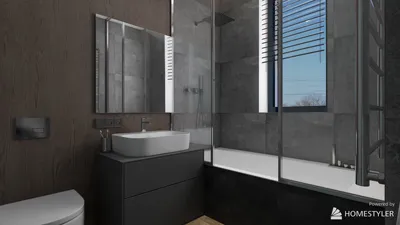


Direct Response
The optimal layouts for elongated narrow living rooms typically involve positioning the sofa either away from the walls or arranging seating in an L-shaped configuration. These methods help to visually reduce the room's length, enhance movement flow, and avoid the 'hallway effect' that occurs when furniture lines both sides.
In many homes, layouts featuring a floating sofa or distinct two-zone areas outperform traditional furniture placements flush against the walls.
Key Points at a Glance
Overview
Designing a long and narrow living space presents a common challenge. Many homeowners instinctively place the sofa against the wall, aligning all furniture opposite it.
Though logical on paper, this often ends up making the space feel even more elongated and cramped in reality.
After analyzing numerous awkward floor plans, I've found that the crucial factor in narrow rooms is how the sofa is positioned.
An ill-positioned sofa creates a corridor-like feel. Conversely, a well-placed sofa defines different areas, improves circulation, and visually expands the room.
If you're testing various layout ideas, employing tools like Homestyler to visualize furniture within a realistic 3D environment prior to any physical moves can simplify the process substantially.
This article will explore the most popular layout approaches for long narrow living rooms, explaining when each strategy succeeds or falls short.
save pin
Why Sofa Placement is Crucial in Long Narrow Living Rooms
Core Insight: The sofa's placement determines whether a narrow living area feels balanced or corridor-like.
In elongated spaces, people often instinctively push furniture against walls, which unfortunately emphasizes the room's length excessively.
Interior designers typically aim to visually shorten the room instead.
Sofa placement addresses three main spatial challenges:
According to the American Society of Interior Designers, maintaining 30–36 inches of clearance for walking paths is essential. This guideline anchors all layout decisions in narrow rooms.
Parallel Arrangement vs. L-Shaped Design
Key Insight: Parallel layouts offer maximum seating capacity, whereas L-shaped layouts help reduce the visual length of a narrow space.
These two are the most common initial attempts by homeowners.
Parallel Layout
Advantages:
Disadvantages:
L-Shaped Layout
Advantages:
Disadvantages:
save pin
Floating Sofa Setup vs. Wall-Aligned Setup
Key Insight: Floating sofas typically make narrow rooms appear more spacious by allowing breathing room around furnishings.
Many hesitate to float furniture, as they are accustomed to pushing everything against walls.
Yet, in long narrow rooms, designers float the primary sofa for three main reasons:
A standard floating layout might resemble this arrangement:
For safe experimentation, I often recommend beginning with a digital floor plan via platforms like Homestyler. This enables testing of multiple furniture configurations in an accurate 3D model before shifting large pieces.
save pin
Two-Zone Living Room Layout Approach
Key Insight: For rooms longer than roughly 18 feet, splitting the area into two functional zones tends to be more effective than stretching one oversized seating arrangement.
This technique remains surprisingly underutilized.
Instead of forcing a single large seating cluster, the space becomes two smaller, functional gathering spots.
Examples include:
Common zoning strategy:
Real estate staging professionals often apply this tactic to prevent elongated rooms from appearing empty or awkwardly stretched.
save pin
Pros and Cons of Various Layouts
Key Insight: The best layout choice leans more on traffic flow management than stylistic preferences.
Here's how common layouts stack up.
In my projects, either the floating sofa or two-zone setup resolves about 70% of the challenges found in long narrow living rooms.
Selecting the Appropriate Layout Based on Room Dimensions
Key Insight: Ideal layouts depend heavily on the length of the room, circulation routes, and furniture scale.
Use this easy guideline.
If you want to test proportions before investing in furniture, digital tools like Homestyler allow mapping exact room dimensions and experimenting with sofa placement interactively. This helps avoid costly errors such as purchasing oversized sectionals unsuitable for tight spaces.
Answer Section
The most effective sofa arrangements for long and narrow living rooms include floating sofas, L-shaped seating clusters, and dividing the room into two zones. These configurations mitigate the hallway effect and enhance traffic flow. Furniture placed parallel against walls works only when the room’s width accommodates it.
Conclusion
Frequently Asked Questions
What is the ideal sofa placement for a narrow, lengthy living room?
Positioning the sofa away from walls or arranging it in an L-shaped zone generally produces the best outcomes for elongated narrow spaces.
Can a sectional sofa fit well in a narrow living room?
Yes, but only if the sectional is compact. Oversized sectionals tend to obstruct movement in tight spaces.
Should furniture always be placed against the wall in narrow rooms?
Not necessarily. Floating furniture often enhances visual harmony and improves movement pathways.
What size area rug suits a narrow living space?
Select a rug large enough to unify the sofa and chairs, commonly at least 8 by 10 feet.
How can one avoid the hallway-like feeling in an elongated room?
Incorporate floating furniture, layered rugs, or multiple functional zones to break up the space.
Is a floating sofa beneficial for narrow living rooms?
Absolutely. A floating sofa design can make a long narrow space feel wider and more thoughtfully arranged.
What is the recommended walking clearance in narrow living rooms?
Maintain a clearance of 30 to 36 inches for comfortable circulation.
Is it possible to divide a long living room into two distinct sections?
Yes, designers often create separate zones such as a television area and a reading nook within extended rooms.
Homestyler's roots trace back to Autodesk, the global leader in design and engineering software. That heritage lives on in every feature we build. Today, with a community of more than 18 million users worldwide, Homestyler continues to make professional-quality interior design accessible to everyone — from first-time decorators to seasoned architects.
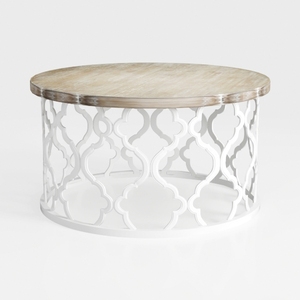

Modern Solid Wood Top White Metal Frame Round Coffee Table 3D Model

Minimalist White Leather Tufted L Shaped Sectional Sofa 3D Model
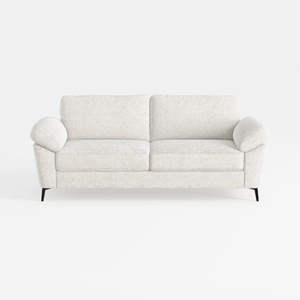
Minimalist Fabric Loveseat Sofa with Black Metal Legs 3D Model
Homestyler is an easy-to-use online home design platform offering powerful 3D rendering tools, a vast collection of interior design projects, and helpful DIY video tutorials. It’s perfect for anyone looking to create and visualize beautiful spaces quickly and confidently.
Design Now for FREE
































