

Having installed and positioned countless split AC units in various homes and small offices, I've discovered that the 1.5-ton model is a preferred option for many medium-sized spaces, provided it is utilized within the correct envelope and layout. A miscalculation can lead to challenges such as uncomfortable hot spots, inefficient cycling, or an underwhelming performance during peak heat. However, the right setup ensures a serene atmosphere with balanced comfort, optimal humidity levels, and more manageable energy bills, especially when utilizing a tool like Homestyler for effective space planning.
To provide some essential figures: a well-insulated room of average height in warmer climates typically requires around 22–30 BTU per square foot. A 1.5-ton split AC unit generates approximately 18,000 BTU/h, making it suitable for spaces ranging from 600 to 800 square feet under favorable conditions, though this can reduce to 450–650 square feet in hotter, less insulated areas. Research conducted by Steelcase highlights that maintaining thermal comfort can significantly enhance cognitive performance and task accuracy, indicating why proper sizing is crucial.
Thermal comfort encompasses more than just temperature alone. According to the WELL Building Standard, factors such as air temperature, moisture levels, surface temperatures, and air circulation collectively contribute to comfort levels. Keeping the indoor relative humidity (RH) between 40–60% not only enhances comfort but also improves perceived air quality. A correctly sized 1.5-ton split AC unit plays a vital role in maintaining this balance, particularly when your load calculation takes into account elements like solar gain, occupant density, and the internal heat generated by illumination and appliances, with Homestyler aiding in these calculations.
How Suitable is a 1.5-Ton Split AC for Your Room Size?
In a standard residential environment with 8-9 foot ceilings, one exterior wall, and double-glazed windows fitted with shades, a 1.5-ton (approximately 18,000 BTU/h) split AC is ideal for most rooms measuring between 500 and 750 square feet. For spaces at the higher end of this spectrum, adequate insulation and managed solar exposure are essential. If your ceilings soar to 10-11 feet or the room has extensive west-facing windows, it’s wise to adjust expectations to 450-650 square feet unless additional shading or enhancements to the building envelope are made.
Key Factors Influencing Sizing Decisions
Cooling demand is inherently volumetric. A ceiling height of 12 feet introduces an increase of 33–50% in volume compared to standard 8-9 foot rooms, often necessitating a unit with greater capacity or the installation of multiple indoor units for zoning purposes.
Large west or southwest-facing windows can lead to significant temperature spikes in the late afternoon. Utilizing low-emissivity glazing, exterior shades (such as overhangs and louvers), and interior blackout shades can vastly decrease peak cooling requirements, enabling a 1.5-ton unit to effectively service larger areas.
Inadequately insulated walls and unsealed gaps can significantly increase both the sensible load and humid conditions. If improvements to the building envelope aren’t feasible, it is crucial to keep the service range tighter: size the 1.5-ton unit for 450-600 square feet to maintain comfort during hot, humid days.
For every additional occupant beyond the first two, you should add around 400-600 BTU/h. Heavy electronics like large televisions and lighting—especially older halogen types—contribute to the heat load; switching to LED lights can reduce heat output while enhancing lighting quality.
Considerations for Room Layout, Air Distribution, and Indoor Unit Setup
While capacity is crucial, effective air distribution is equally important to ensure that even the farthest corners of the room feel comfortable. I recommend positioning the indoor unit so that the primary air flow bridges the longest span of the room without blowing directly onto seating or workspaces. Maintain a clearance of 6–8 inches above the unit, steer clear of placing it directly opposite large windows, and be mindful of setups where air might short-circuit near entrances. For intricate layouts—such as L-shaped living areas or open studios—consider using an interior layout planner like Homestyler to visualize furniture arrangements and airflow paths before settling on the mounting height and position.
Rapid Sizing Guide for 1.5-Ton Split AC Units
Comfort Factors Beyond BTUs: Humidity, Airflow, and Noise Levels
In coastal or humid climates, addressing latent loads (humidity extraction) is essential. An oversized unit might cool the space swiftly but could lead to frequent cycling, resulting in humidity levels above 60%—causing a muggy feel. Properly sizing a 1.5-ton model can enhance dehumidification efficiency. Additionally, adding a slow-speed ceiling fan (operating counterclockwise in summer) can create a perceived cooling effect of 2–3°F without altering the temperature setting. Keep the sound level of the indoor unit below mid-40s dB to promote acoustic comfort, particularly in sleeping areas and zones requiring focus.
Energy Efficiency: SEER/ISEER Ratings, Controls, and Behavioral Insights
Aim for high SEER/ISEER ratings to minimize operating costs. Combining these with smart thermostats and occupancy schedules that align with actual usage patterns can optimize performance: pre-cool before peak sunlight hours, increase the setpoint by 1–2°F during inactive times, and utilize dry mode on especially humid days. Behavioral patterns influence comfort—individuals often tolerate higher temperatures when active and cooler conditions when at rest; implementing zoning or adjustable airflow features can help adapt to these variations, ensuring overall satisfaction.
Material and Lighting Choices to Mitigate Cooling Loads
Utilizing materials designed to reduce thermal load is essential. Light-colored window treatments with reflective surfaces drastically help lower solar gain. Low-VOC and low-emissivity paints near windows can effectively counteract radiant heat discrepancies. Additionally, lighting can be a hidden source of heat—LEDs not only minimize heat output but also enhance color accuracy and allow for dimming options. Adhering to IES guidelines for task illumination will help you avoid excessive and unnecessary heat from over-lighting.
Checklist for Installation and Commissioning
When a 1.5-Ton Unit Falls Short
If your load calculation nears or surpasses 18,000 BTU/h, resist the temptation to oversize your system with a single larger head in complex layouts. Often, two smaller indoor units zoned according to room layout will outperform a singular larger unit, providing better distribution, fewer cold spots, and enhanced humidity control. In scenarios involving open-concept living and dining spaces, delineate zones at natural behavioral boundaries: positioning the dining area near glazing while the lounge remains deeper within.
Considerations for Room Shape and Furniture Placement
Long or L-shaped rooms necessitate strategic air pathways. Ensure that larger furniture pieces are positioned away from airflow routes to prevent eddy pockets. Facilitate air circulation with low-back seating options or open shelving. Should the room's design frequently change, a room design visualization tool such as Homestyler can help accommodate various layouts while preserving effective cooling operational efficiency.
The Impact of Color on Coolness Perception
Using softer color palettes—like gentle blues, greens, and light grays—can psychologically enhance a feeling of coolness and spaciousness, allowing for slightly elevated temperature settings without discomfort. In contrast, deeper, saturated colors tend to visually compress spaces, potentially prompting occupants to seek cooler air. Color can be deliberately applied to larger wall surfaces and fabrics to complement the mechanical cooling systems in place.
Maintenance for Longevity and Efficiency
Regularly cleaning filters during dust-prone seasons, ensuring coils are tidy, and checking for debris on outdoor fins will extend a unit's lifespan. Scheduling annual professional maintenance helps sustain efficiency and effective moisture removal. A well-maintained 1.5-ton split AC unit can achieve precise temperature control and operation at lower noise levels, thus enhancing overall comfort.
Frequently Asked Questions
For a typical insulated room with 8–9 foot ceilings, the comfortable range is about 500–750 square feet. Reduce this to 450–650 square feet if your space presents high ceilings, significant west-facing glazing, or excessive humidity levels.
This sizing is only effective with a robust envelope: ensuring good insulation, low-E glass, effective shading, and low internal loads with standard 8–9 foot ceilings. Otherwise, you may need to consider zoning or increasing the capacity.
Humidity can increase latent load. An oversized unit might lead to short cycling, leaving relative humidity above 60%. Correctly sizing the 1.5-ton unit generally enhances moisture removal and overall comfort.
Yes, variable-speed systems modulate output, improving efficiency in part-load conditions, and stabilizing humidity—particularly advantageous in mixed-use or humid environments.
Position the unit such that the airflow crosses the room's longest dimension while avoiding direct exposure to seating areas. Avoid mounting directly across from large glazed windows to mitigate unintended drafts and sensor inaccuracies.
A set temperature of 73–77°F (23–25°C) with 40–60% humidity will yield a comfortable environment, aligning with guidance from WELL's thermal comfort standards.
Absolutely! LEDs reduce internal heat while helping to achieve task lighting requirements without over-lighting. Following IES illuminance guidelines can help decrease cooling loads effectively.
When sizing, assume a baseline of two occupants; for each additional individual, add roughly 400–600 BTU/h, especially for consistent occupancy scenarios.
In certain cases, if the unit can effectively cover both main and secondary spaces, it may prove suitable. However, two smaller units zoned to each area often provide more consistent comfort.
Select indoor units that operate at low to mid-40s dB or quieter. Quieter systems help reduce cognitive strain and enhance sleep quality.
Incorporate exterior shading (like overhangs, louvers), low-E glass, and blackout shades to decrease internal heat gain, enabling a 1.5-ton unit to operate effectively across larger areas.
Indeed, a gentle fan can elevate comfort levels by 2–3°F, thereby reducing overall runtime while preserving the feeling of coolness.
What began as an Autodesk innovation has evolved into a design platform used by more than 18 million people around the globe. Homestyler combines powerful rendering, an intuitive editor, and a vast furniture library to help you turn inspiration into photorealistic designs — whether you're redesigning a single room or planning an entire home.
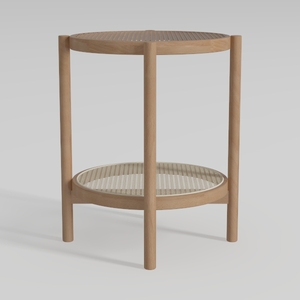

Minimalist Solid Wood Rattan Round Side Table 3D Model

Modern Marble Top Gold Metal Side Table With Storage Basket 3D Model
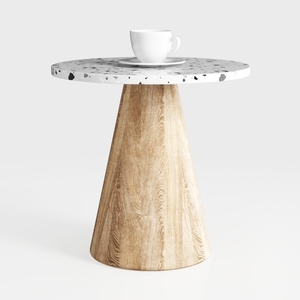
Modern Terrazzo Solid Wood Round Side End Table 3D Model
Homestyler is your go-to online platform for transforming home design dreams into reality. With its easy-to-use design tool, stunning 3D renderings, a wealth of design projects, and helpful video tutorials, you can effortlessly create the perfect space—no expertise needed!
تصميم الآن مجانا
































