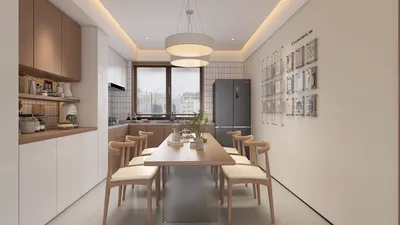


Electric room freshener devices have transformed into efficient, low-maintenance solutions that effectively neutralize odors, playing a crucial role in residences, hospitality settings, and busy workplaces. In my design projects, optimal outcomes are achieved by integrating carefully calibrated scent delivery systems with adequate ventilation, air filtration, and thoughtful material selection to minimize VOCs while enhancing comfort. Homestyler can be a helpful tool in planning these elements efficiently.
The interplay between air quality and comfort significantly influences performance. Research from Steelcase indicates that environmental quality in the workplace—encompassing both air and sensory comfort—has a positive correlation with employee engagement and productivity. Furthermore, the WELL Building Standard v2 specifies acceptable VOC levels and enforces the need for cleanable surfaces and effective ventilation strategies to promote occupant well-being. It also highlights the importance of olfactory comfort, underscoring that addressing odors requires more than just pleasant fragrances. Using these benchmarks as guidelines, I incorporate low-VOC materials and focused odor mitigation strategies, reducing reliance on excessive scenting.
Whether in homes with pets or kitchens filled with cooking aromas, the effectiveness of the machine is dependent on a comprehensive approach that involves controlling odor sources (such as garbage, drains, and fabrics), optimizing airflow, and ensuring acoustic compatibility. I strategically position compact diffusers close to sources of unwanted smells but away from return vents to prevent rapid dilution of the scent. Additionally, I select cartridges based on IFRA-compliant formulations, preferring neutralizers over overpowering perfumes. The ultimate aim is to establish a clean air baseline before introducing a subtle signature scent.
Key Considerations: Scent, Safety, and Placement
The intensity of fragrance should align with human psychological factors: subtle aromas minimize sensory fatigue and complaints. Research on color psychology by Verywell Mind shows varying human responses to stimuli, and scents operate similarly; citrus fragrances often boost energy, while lavender tends to induce calmness. In open office environments, I limit diffusion cycles to brief bursts followed by extended recovery periods to avoid habituation. For residential settings, I encourage customized profiles depending on the time of day: lighter in the morning, minimal during meal preparation, and a softer scent in the evening.
Safety is paramount. I recommend machines with sealed reservoirs, child-lock features, and UL-listed electrical components. For environments with vulnerable populations, such as healthcare facilities and schools, I advocate for hypoallergenic or fragrance-free neutralizers that effectively bind odor molecules—such as glycols or zinc ricinoleate—rather than saturating the air with strong scents. Whenever possible, I integrate these devices with HVAC systems, though I advise against direct duct injection without proper approval from a facilities engineer.
Air Quality and Standards: Designing for Measurable Comfort
To guarantee effectiveness, I couple fresheners with routine VOC assessments and filter maintenance. Guidance from WELL v2 promotes source control and filtration as primary strategies, steering clear of heavy scenting practices. Lighting is also a crucial factor: excessive glare can heighten sensory discomfort, so I maintain ambient lighting levels between 300–500 lux for living spaces and 350–500 lux for general office areas, in line with standard IES illuminance recommendations. A comfortable lighting environment combined with clean air alleviates the perception of stuffiness, allowing scents to feel more balanced.
Acoustic considerations are essential as well—many compact machines produce a soft hum or fan noise. I ensure these devices are positioned away from quiet areas and hard surfaces that reflect sound. In bedrooms and focus spaces, I select models operating below 30–35 dB to maintain an adequate acoustic environment.
Choosing the Right Machine
Common types of scenting devices include nebulizing diffusers (which atomize pure oils for strong scent distribution), ultrasonic diffusers (which combine water with oils for gentler diffusion), and hybrid units integrated with HVAC systems (providing consistent scent distribution across larger areas). For small apartments, 80–150 mL ultrasonic models with timer control are typically sufficient, while retail and hospitality environments benefit from programmable nebulizers featuring lockable cartridges to ensure consistent scent management during shift changes. It’s crucial to verify coverage area specifications and ensure compatibility with ceiling height and airflow patterns; areas with high ceilings and active supply vents may necessitate more powerful units or strategic placement.
Where to Place It
Proper placement should consider airflow dynamics and the behavior of occupants. Position machines by:
In intricate apartment layouts or multi-room offices, I use a straightforward interior layout planner and simulate scent coverage before finalizing any installations. By adjusting routes and return air locations, a layout simulation tool like Homestyler aids in visualizing scent dispersion across circulation paths and seating arrangements.
Scent Psychology and Brand Experience
Aromas can significantly influence mood and memory. In wellness settings, I prefer soft herbal or tea scents, while in gyms, invigorating mint or grapefruit fragrances suggest cleanliness and energy. For hospitality lobbies, I incorporate a low-intensity wood-citrus blend that conveys warmth without being overwhelming. Maintaining chromatic harmony is important as well: cool-toned interiors paired with high-CRI lighting work better with fresher scents, while warm wooden palettes complement amber and spice aromas. Striking a balance is vital—overemphasis on intensity can clash with visual aesthetics, leading to increased complaints.
Maintenance and Sustainability
Opt for refill systems utilizing recyclable cartridges and be transparent about ingredients used. Pair these systems with MERV 13 filters and ensure regular cleaning of fabrics to avoid entrenched odors. In kitchens, it's essential to target the source: sealed bins, baking soda in drains, and routine deep cleaning can significantly diminish sulfur and amine smells. Sustainable practices require moderation—consistent yet restrained diffusion is key. Schedule quarterly assessments to review diffusion timings, filter conditions, and occupant feedback.
Integration With Smart Controls
Utilizing smart plugs and programmable schedules allows for synchronization of scent dispersal with occupancy patterns. By aligning the scent cycles with CO2 levels or motion detection, waste can be minimized. In office settings, facility management teams frequently utilize building management systems to regulate cycles during off-peak hours, followed by brief freshening bursts right before staff arrive, ensuring a pleasant atmosphere without overwhelming concentrations.
Common Pitfalls I Avoid
Implementation Roadmap
1) Assess odor sources; 2) Choose machine type and cartridge; 3) Map airflow and seating arrangements; 4) Test in one zone for a week; 5) Collect feedback and adjust cycles as needed; 6) Expand to additional areas based on refined schedules. In multi-tenant environments, I delegate scent management responsibilities to facilities, ensuring transparent communication of ingredient contents to occupants.
Authority References
For referencing standards, I rely on the WELL Building Standard v2 for guidelines regarding air and materials, alongside Steelcase research for insights on workplace environmental quality. Both resources highlight that effective odor management strategies operate best in conjunction with ventilation, filtration, and deliberate sensory design.
FAQ
Maintain a light to moderate scent intensity. Short bursts of diffusion followed by long intervals help prevent sensory fatigue and minimize complaints, especially in open workspaces.
I recommend using a programmable nebulizing diffuser equipped with lockable cartridges and extended coverage capabilities. It's essential to verify throw distances in relation to ceiling height and anticipated airflow to ensure uniform distribution.
No, prioritize ventilation, filtration, and source control first. Scenting should enhance clean air, rather than disguise poor ventilation; the WELL v2 guidelines emphasize source management and filtration as foundational strategies.
Use enzymatic cleaners on textiles, seal trash tightly, and employ a neutralizer cartridge capable of capturing odor molecules. Focus diffusion in zones where pets spend time rather than the entire home.
Typically not; nonetheless, avoid placing devices directly under detectors and in high-output settings. Water-based ultrasonic mist is less likely to cause issues compared to heavy aerosolized scents.
Select hypoallergenic, IFRA-compliant formulations or fragrance-free neutralizers. It's crucial to offer unscented zones and openly disclose ingredient information to occupants.
Every 4–8 weeks for smaller residential units, more frequently in busy commercial environments. Align schedule changes with filter maintenance to ensure consistent performance.
Yes, ensuring comfortable ambient lighting (around 300–500 lux in living spaces) mitigates sensory strain and creates a more balanced scent experience. Avoid glare that can exacerbate discomfort.
Certainly, keeping sound output below 30–35 dB in bedrooms and quiet areas while safeguarding against reflective surfaces that amplify noise is recommended.
Yes. Occupancy-based scent control cycles help reduce waste while maintaining a consistent yet gentle aromatic presence throughout the day.
Built on technology originally developed at Autodesk, Homestyler empowers anyone to design beautiful, realistic spaces in minutes. Join over 18 million users who have already discovered a smarter way to plan, visualize, and bring their dream homes to life — all from the comfort of a browser.
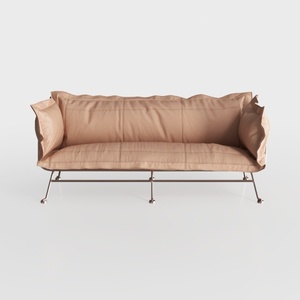

Modern Minimalist Leather Metal Frame Sofa 3D Model
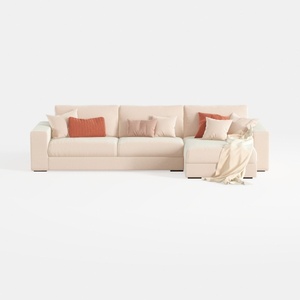
Minimalist Beige Fabric L Shaped Sectional Sofa 3D Model
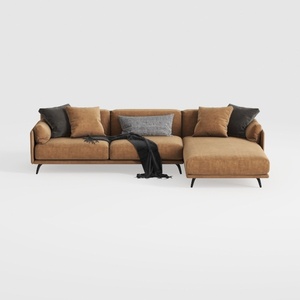
Coaster Home Furnishings - Camacho - Upholstered C
Discover the joy of home design with Homestyler! This user-friendly online platform offers a powerful design tool, stunning 3D renderings, and an array of inspiring design projects. Plus, with helpful video tutorials, you can unleash your creativity and transform your space effortlessly.
Progetta ora GRATIS
































