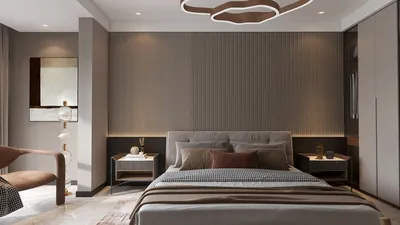


I view Vastu room sizing as a conversation about proportions, functionality, and sensory comfort. Vastu addresses orientation, equilibrium, and flow, while design translates these principles into quantifiable spatial ratios, optimal daylight, human ergonomics, and sound management. When the room’s dimensions are correct—such as length-to-width ratios, ceiling heights, and the placement of doors and windows—spaces feel more tranquil, movement through them becomes effortless, and daily routines proceed with reduced friction.
Performance is essential. Research by Steelcase indicates that employees spend roughly a third of their day engaged in focused tasks, and enhancing spatial conditions can boost focus productivity by 10-20% by minimizing noise and visual distractions. Additionally, WELL v2 emphasizes that proper lighting levels (generally between 300–500 lux for typical work areas, and up to 500–750 lux for task areas) support visual sharpness and circadian rhythm, especially when glare is effectively managed. These guidelines inform how we design room proportions to maximize natural light, optimize furniture layouts, and maintain clear pathways.
Comfort in design is quantifiable. Guidance from Herman Miller on ergonomics suggests that an ideal seated work surface height is around 28–30 inches, with a reachable area of 20–25 inches for frequently accessed items—this data helps ensure that desk spaces and storage are within comfortable reach. By combining this with Vastu principles—placing study desks towards the east or north to enhance mental clarity—we can avoid cramped spaces, ensure proper door clearance, and maintain a soothing orientation at the front of the room.
Essential Ratios for Vastu-Compatible Spaces
Throughout residential and small office designs, I prioritize proportion as a key factor. Balanced rectangular shapes—length-to-width ratios between 1:1 and 1.5:1—prevent narrow rooms that hinder visual flow and movement. Square rooms can provide stability for meditation or prayer environments, as long as doors and windows are strategically placed to facilitate smooth energy flow (often minimizing direct opposing openings). Optimal ceiling heights of 9–10 feet enhance light distribution without leading to echo-prone voids; in smaller homes, heights of 8.5–9 feet with sound-absorbing materials can sustain balance and comfort.
Orientation, Doors, and Windows
Vastu emphasizes clarity of entry and maximizing natural light. I typically position main doors along the longer walls whenever feasible and place them strategically to minimize visual disruption in key activity areas. Windows facing east and north capture softer, more pleasant daylight, preventing overheating—this aligns with daylight design principles and glare management. Aim for window-to-floor ratios around 18–22% in most living areas; in hotter climates, minimize west-facing glazing or implement shading strategies to maintain a comfortable indoor atmosphere. This approach aligns with WELL lighting standards and daily functional needs.
Living Room: Facilitating Social Interaction and Acoustic Comfort
Living rooms sized between 12'×16' to 14'×18' are ideal for creating a family seating area with a clear central pathway. A ratio of 1.25:1 helps maintain open conversation angles and appropriate distances for television viewing (generally 1.5–2.5 times the screen’s diagonal measurement). When possible, orient seating so guests face east or north, with the primary sofa positioned against a solid wall to foster a sense of support and stability. Incorporating rugs and upholstered items can achieve a mid-frequency sound absorption of 0.3–0.5, which is adequate to manage echoes without compromising the liveliness of the space.
Bedroom: Proportionate Spaces for Restfulness and Quiet
Bedrooms designed at dimensions of 11'×13' to 12'×14' are well-suited for queen-sized beds, providing at least 30–36 inches of clearance around the bed and 42 inches along main pathways. Position the bed with the headboard against a south or east wall for added stability and morning daylight; avoid positioning it directly across from the door. Ensure wardrobes and dressers do not obstruct the main door’s swing; drawers should allow clearance of at least 24 inches. Utilize calming warm-neutral color schemes (soft beiges, muted greens) for a serene atmosphere—research suggests that greens promote balance and peace, reflecting Vastu’s focus on harmony.
Kitchen: Ventilation, Sanitation, and Functional Layouts
Kitchens function optimally at sizes between 10'×12' to 11'×13' for straight or L-shaped designs, maintaining a clear 42-inch aisle in single-user kitchens and 48 inches for multiple cooks. Vastu principles recommend that cooking occurs facing east; I position the cooktop to avoid being obstructed by tall storage units. The traditional work triangle (between cooktop, sink, and refrigerator) should measure between 13–26 feet in total, with each side measuring 4–9 feet to enhance efficiency. Adequate ventilation is crucial; employ cross-ventilation whenever suitable, ensuring north or east windows are positioned to avoid late afternoon heat. Opt for non-porous counter surfaces and easy-to-clean backsplashes to minimize visual clutter and promote cleanliness, while warm white lighting at around 3000–3500K helps maintain natural food colors.
Dining Room: Flow, Accessibility, and Visual Engagement
A dining room measuring 10'×12' can comfortably accommodate six people with a clearance of 36 inches around the table; a size of 12'×14' suits eight people well. Position the table to encourage guests to face east or north when possible, and ensure the primary access route does not intrude into the seating arrangement. The height of pendant lights should ideally be 30–36 inches above the dining table to avoid glare, and average illuminance should be around 300 lux for enjoyable meals. Sideboards placed along longer walls facilitate flow, and doors should not open toward the backs of chairs.
Study and Home Office: Concentration and Organization
For efficient compact studies, dimensions of 8'×10' are practical when vertical storage is utilized and circulation is kept to one side. Desks should ideally be oriented toward east or north to minimize glare from intense southern sunlight, and monitor screens should be positioned perpendicularly to windows when feasible. WELL v2 recommends managing glare and providing focused task lighting; a task light yielding 400–500 lux with a high Color Rendering Index (CRI) enhances comfort. Maintain unobstructed sightlines from the desk to the door, ensuring a slight offset to promote privacy while retaining awareness. For testing layouts, tools like the room layout visualization software, which enables pre-construction visualizations, can be particularly beneficial.
Children’s Rooms: Safety, Growth, and Play Areas
Children’s rooms with dimensions of 10'×12' create an effective balance between sleep and play. Position wardrobes away from the edges of beds to ensure soft corner radii and safe circulation. Zoning the room—creating a study area by an east-facing window, a play area with indirect sunlight, and a sleep zone against a solid wall—can help minimize conflicts. Color psychology suggests using soft greens and blues to promote calm and focus; keep brighter accents to a controlled level to prevent overstimulation.
Bathrooms: Efficient and Clear Designs
Compact bathrooms sized around 5'×8' can feel stable when fixtures are arranged to avoid aligning the door directly with the toilet. Ensure there is a clear space of 21–24 inches in front of the lavatory and toilet, and a minimum shower width of 30 inches for ease of movement. Choose non-slip materials (≥0.42 DCOF wet) and maintain lighting levels around 300–400 lux for effective vertical illumination at mirrors to minimize shadows.
Storage and Service Areas: Organized Systems
Service rooms benefit from clear aisle widths of 32–36 inches and shelving depths of 12–16 inches, appropriate for storing typical household items. Position heavier items towards the bottom, avoiding stacks near door arcs. In Vastu terms, keeping storage systems well-organized and away from primary east-facing areas promotes a sense of openness and helps maintain clarity at entrances.
Light, Sound, and Materials for Sensory Balance
Achieving balance involves multiple sensory aspects. I coordinate lighting levels with the intended use: living areas require 200–300 lux, task corners should have 400–500 lux, and bedrooms should be adjustable to 50–100 lux for evenings. Implement layered lighting—combining ambient, task, and accent lights—to promote circadian rhythms while managing glare through the use of diffusers and indirect sources, which aligns with IES recommendations for visual comfort. For sound, a blend of soft materials and heavy partitions helps maintain reverberation times between 0.4–0.6 seconds in communal areas. When selecting materials, I gravitate towards low-VOC finishes and natural textures that visually stabilize rooms and adhere to Vastu principles.
Workflow Planning: From Grid to Furnishings
I begin the planning process with a sizing grid and circulation diagram, then introduce furniture elements and lighting areas. I evaluate door placements against the backs of sofas and the headboard of beds to avoid direct alignments. In cases of complex designs, using an interior layout planner, such as the room design simulation tool, allows for quick validation of geometry and flow prior to construction.
Reference Points and Additional Resources
For those merging Vastu with current performance standards, familiarizing oneself with WELL v2’s lighting and comfort guidelines, along with Steelcase’s workplace studies on focus and collaboration, is beneficial. These references provide measurable criteria that enhance the qualitative elements of Vastu.
• WELL Building Standard: v2.wellcertified.com
• Steelcase Research: steelcase.com/research
FAQ
Q1. What room proportions align with Vastu and modern comfort principles?
Proportions that form balanced rectangles between 1:1 and 1.5:1 are effective, steering clear of narrow corridors that can disrupt visual flow and circulation. Maintaining ceiling heights near 9–10 feet enhances both light quality and acoustic properties.
Q2. What is the best way to orient doors and windows?
Prioritize placing entries along longer walls with straightforward access paths. Favor east and north-facing windows for cooler daylight while minimizing glare, and use shading techniques to control excessive western sunlight.
Q3. What dimensions are appropriate for living rooms?
Sizes between 12'×16' to 14'×18' typically accommodate a sofa arrangement, ensure proper media viewing distances, and facilitate clear pathways. Employ rugs and cushioned seating to mitigate echoes and promote conversational clarity.
Q4. How should I size a bedroom for a queen bed?
Bedrooms measuring 11'×13' to 12'×14' should provide 30–36 inches of clearance around the bed. Position the headboard against a solid wall and avoid aligning the bed directly with the door to sustain a tranquil atmosphere.
Q5. What lighting levels should I aim for?
Living areas typically require 200–300 lux, task spaces benefit from 400–500 lux, and bedrooms should be adjustable to 50–100 lux. Focus on high CRI task lighting and manage glare with diffusing elements or indirect sources.
Q6. How can I incorporate Vastu into a small kitchen?
Use dimensions of 10'×12' or 11'×13' while maintaining a 42-inch aisle for single-cook scenarios. Ideally, orient the cooktop toward the east when possible, keep the work triangle measurements between 13–26 feet, and ensure good ventilation and daylight.
Q7. What color schemes complement Vastu for tranquil environments?
Soft greens and muted blues foster feelings of balance and tranquility. Research indicates green’s connection to harmony makes it particularly suited for bedrooms, meditation areas, and study environments.
Q8. How do acoustics play into Vastu-oriented spaces?
Manage sound reverberation using soft furnishings, drapes, and rugs to maintain reverberation times around 0.4–0.6 seconds in living areas. Balanced acoustic conditions can reduce stress levels and enhance social interactions.
Q9. Can technology assist in testing Vastu layouts?
Absolutely. Utilizing layout simulation tools can help visualize furniture and circulation patterns preemptively. This allows you to address sightlines, door functioning, and window placements to avoid misproportions before actual construction begins.
Q10. Are square rooms acceptable within Vastu principles?
Yes, square rooms can provide stability for meditation or prayer settings as long as openings are arranged thoughtfully. Keep circulation paths clear, avoid direct opposite doors, and ensure gentle lighting to maintain serenity.
Q11. What should be the minimum clearance around furniture?
Strive for a clearance of 30–36 inches surrounding beds and dining tables, ensure 42 inches along primary circulation routes, and keep doorway swings clear of seating and storage areas.
Q12. How can I effectively balance daylight with thermal comfort?
Maximize light from the east and north, mitigate western sunlight with shading techniques, and size windows to encompass roughly 18–22% of the floor area in living spaces, adjusting based on climatic and privacy considerations.
Hymus 100% Solid Oak Wood Desk - Small Writing Des
Corduroy High Resilience Sofa with 2 Pillows,57.9

Looking to transform your space? Homestyler is your go-to online design platform! With its user-friendly design tool, stunning 3D renderings, and a wealth of DIY video tutorials, you can effortlessly create and visualize your dream home projects. Unleash your creativity today!
Concevez maintenant gratuitement
































