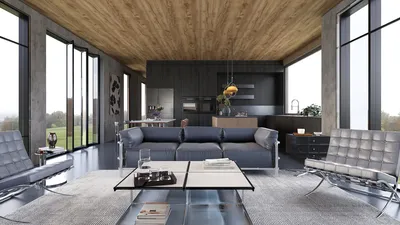


When designing small house roofs, I view them as multifunctional elements that provide shelter, enhance comfort, capture sunlight, and often contribute to extra living space or storage. In these compact designs, the roof choices made can dramatically increase the feeling of space—think soaring ceilings and usable lofts—while maximizing natural light, all without needing to extend the house's footprint.
Research consistently underscores the benefits of smart roof strategies. The WELL Building Standard (WELL v2) emphasizes the importance of sufficient daylight and glare control in enhancing comfort and cognitive performance, linking effective lighting designs with higher occupant satisfaction and reduced complaints. In home settings, optimizing roof openings and shading can minimize glare and amplify daylight, enhancing the perception of space and daily routines. Findings from Steelcase emphasize the connection between visual comfort, control, and improved productivity and well-being in tighter environments, highlighting the significance of integrating daylight planning within the roof structure. For more insights, visit WELL v2 and Steelcase Research.
Light plays a crucial role both quantitatively and qualitatively. As per IES guidelines, ambient lighting for living spaces generally aims for 100–300 lux, while designated task areas require higher illuminance. Rooftop features such as clerestories, skylights, and light wells are effective in achieving these brightness levels in small homes, enabling better light distribution throughout the building. Careful consideration of shading and low-U-value glazing can help manage heat gains while ensuring comfort.
Strategic Roof Designs for Small Residences
• Mono-pitch roofs: This single-slope design effectively channels rain and snow while providing an elevated wall for clerestories. In colder regions, I often recommend slopes between 8:12 to 12:12 for optimal snow shedding and support. The elevated side serves as prime daylighting space.
• Gable roofs: Timeless and effective, gables provide simple framing and excellent ventilation. They facilitate balanced loft potential, with collars placed to preserve an uninterrupted ridge line while bearing loads.
• Saltbox styles: This asymmetrical design allocates volume where needed—over living areas—without enlarging the home's footprint. Ideal for sunny clerestory runs and harnessing passive solar energy.
• Gambrel roofs: Featuring two slopes, these designs maximize headroom for micro-lofts and storage. In small houses, gambrels can increase usable volume by up to 20% without significantly elevating the ridge line.
• Butterfly roofs: Shaped like an inward-facing V, these roofs collect rainwater efficiently at the center and allow for tall glass installations on the perimeter. Perfect in mild regions equipped with rainwater harvesting systems and high-quality waterproofing.
Managing Daylight, Glare, and Temperature: Envelope Balance
A well-designed roof aperture in small homes can lead to issues of over-illumination or overheating if not carefully controlled. I typically size skylights to be around 3–5% of the area they illuminate, favoring orientations to the north or east to soften contrasts. Using clerestories with substantial overhangs helps manage solar gain; for southern-facing features, I design eaves to align with solar angles—typically swinging between 24–78 degrees throughout the year based on latitude—permitting winter sun while shielding against summer heat. Incorporating matte finishes and light neutral palettes on interiors can aid in minimizing reflections, thereby maintaining a luminous balance.
Creating Volume: Elevated Ceilings and Mezzanines
Increasing the perceived space within small homes can be achieved by raising the ceiling line under gable or shed roofing, allowing for a small mezzanine designated for sleeping or storage, leaving the main living area more open. I ensure a minimum headroom of 7 ft (2134 mm) in these loft areas, utilizing open railings to maintain visibility. If you're considering your room layout, a room layout tool can efficiently assist in visualizing how a mezzanine would fit into your design: explore using a room layout tool.
Managing Ventilation, Moisture, and Roof Integrity
In compact homes, even minor moisture issues can cause significant problems. Establishing ridge and soffit ventilation creates a continuous airflow that can keep roof sheathing dry and extend the lifespan of shingles. In colder areas, I meticulously design air barriers at ceiling penetrations to prevent warm, moist air from infiltrating the roof space. Adequate ventilation rates and proper insulation (R-values as per local regulations) stabilize interior temperatures and help to prevent ice dam formation.
Material Selections: Durability and Functionality
• Standing seam metal: Known for its long lifespan (40–70 years), this material efficiently sheds snow and rain and fits well with low-slope designs. I choose clips that allow for thermal movement and locate snow guards where entrances fall under drip lines.
• Architectural asphalt shingles: These are a cost-efficient and versatile choice. With higher wind resistance and algae-resistant variants available, they perform well in exposed sites.
• Synthetic slate or shakes: Lightweight materials offering the aesthetics of traditional roofing, suitable for areas with strict weight limits.
• Cool roof coatings: Effective on low-slope designs in hotter areas, these reflective membranes help to minimize heat absorption and reduce HVAC energy utilization.
Integrating Skylights, Clerestories, and Light Wells
Skylights can dramatically enhance the interiors of small homes, but their success relies heavily on quality flashing and shading. I typically prefer curb-mounted units for greater flexibility during retrofits and integrated shades for glare management. High-installed clerestories reflect light off ceilings, promoting a more even light distribution; light wells adorned with high-reflectance materials can direct daylight to interior spaces like kitchens and bathrooms, thus diminishing dependence on electric lighting during peak times.
Acoustic Comfort Beneath the Roof
Noise from rain or roof-mounted mechanical systems can be magnified in small homes. I specify dense roof decks, acoustic underlays, and insulation that addresses both thermal and acoustic requirements. With living areas or bedrooms beneath, strategically mounting ceiling finishes helps mitigate vibrations, reducing noise transmitted through the structure.
Energy and Water Management: Integrated Systems
Compact residences appreciate the benefits of roof-integrated systems: photovoltaic panels tailored to essential energy demands and rainwater catchment utilizing butterfly or mono-pitch designs. I coordinate the arrangement of panels with roof penetrations and shading to ensure efficiency is maintained. A central gutter in butterfly roofs channels water into cisterns; first-flush diverters enhance water quality for non-potable uses.
Overhangs, Eaves, and Edge Features
Overhangs provide multiple benefits beyond just shading. They preserve the cladding, minimize splashback, and help define outdoor spaces. For temperate regions, I typically recommend eaves extending 16–24 inches, incorporating continuous gutters and leaf guards. Delicate fascia and soffit designs enhance the overall aesthetics of the roof's edge while reducing upkeep.
Color Psychology and Illusions of Space
Light, softer roof and ceiling colors create a sense of tranquility and make cozy rooms appear more spacious. Warm whites and light wood tones soften visual contrasts, which aids in supporting circadian rhythms when combined with natural daylight. For exteriors, darker roofing can ground tiny homes aesthetically, but it’s vital to consider heat absorption in warm climates against desired visual impacts.
Roof Design Responsive to Climate
• Cold climates: Design with steeper pitches, add features to mitigate ice dams, and ensure robust ventilation alongside snow retention as needed.
• Hot climates: Favor low-slope roofs with reflective materials, utilize cross-vented attics, and implement significant shading for additional comfort.
• Wet climates: Ensure continuous waterproofing, redundant drains on flat sections, and sturdy flashing around roof penetrations to prevent leaks.
Structural, Load, and Safety Considerations
Even small homes experience challenges from wind uplift, seismic activity, and snow loads. I carefully coordinate structural anchors, hurricane ties, and the thickness of roof sheathing according to local standards and site conditions. Gable ends require appropriate bracing to prevent racking, while special attention is given to dormers to manage load paths and avoid stress in the roof structure.
Utilizing Hidden Storage Under the Roof
Under sloping ceilings, designing knee-wall cabinets and built-in storage solutions helps maximize every available inch. In gambrel designs, deeper eaves can accommodate hidden storage, while sheds can integrate tall shelving units that highlight the appealing roof lines.
Ensuring Longevity Through Detailing
Effective roofs excel at managing small but critical details: kickout flashing where cladding meets, ice and water shields in valleys, and continuous underlayment. At pitch changes, I intertwine membranes and incorporate cricket saddles behind chimneys to effectively direct water away.
Workflow for Compact Roof Design
My design process typically starts with simple massing models, followed by testing for daylight through sectional diagrams. An interior layout planner can quickly assist in coordinating stairs, storage options, and skylight placements along with furniture arrangements: consider utilizing an interior layout planner.
Practical Tips for Effective Roof Moves in Small Houses
• Use a mono-pitch directed toward the north while including clerestories for softer, even lighting.
• Size skylights conservatively and opt for operable shades for versatility.
• Keep mechanical systems away from the highest ceiling areas; maintain volume in spaces where people congregate.
• Design ventilation to seamlessly extend from soffit to ridge.
• Align photovoltaic arrays with rafters to simplify roof penetrations.
Construction Insights and Budget Realities
• Prioritize the quality of flashing over elaborate profiles for better durability.
• Opt for materials that align with the local maintenance culture for easy upkeep.
• Prepare for PV installations by phasing in conduits, even if panels are added later.
• Using prefabricated trusses can lower costs and expedite installation processes.
Frequently Asked Questions
Q1: Which roof design enhances space for tiny homes?
A1: Shed and gable roofs remain reliable choices. Shed roofs create a tall overload wall for maximum daylight while facilitating straightforward drainage, while gable roofs present symmetrical loft advantages and simple ventilation options.
Q2: What is the recommended skylight size for small areas?
A2: A good rule of thumb suggests sizing skylights to about 3–5% of the floor area they serve. This sizing allows ample daylight entry while limiting overheating and glare issues, particularly with the addition of shades.
Q3: How can I reduce glare from clerestory windows?
A3: Implement deeper overhangs, select matte finishes for interiors, and include light-diffusing glazing. For southern exposures, adjusting eave depths in relation to local solar altitude is beneficial.
Q4: What methods mitigate moisture problems related to insulation and ventilation?
A4: Implementing continuous air barriers, ridge-and-soffit ventilation, and adhering to local R-value requirements effectively keeps the roof space dry while sealing penetrations prevents warm, moist air from leaking in.
Q5: Which roofing materials offer longevity with low maintenance?
A5: Standing seam metal roofing commonly provides 40–70 years of longevity when properly designed. It efficiently sheds snow and rain and is well-suited for steeper roofs.
Q6: Can a well-designed roof improve energy efficiency in a compact home?
A6: Absolutely. Utilizing reflective materials in hot climates, well-shaded openings, and integrating photovoltaic options on appropriately sloped roofs can significantly lower cooling requirements and offset energy consumption.
Q7: How do acoustics influence roof design choices?
A7: Selecting dense roof decks, acoustic insulation, and resilient mounting techniques for ceiling finishes are essential to minimize rain and mechanical noise—critical aspects in smaller homes where spaces are closely knit.
Q8: Are butterfly roofs effective in compact living scenarios?
A8: They are effective in temperate, rainy climates provided there is strong waterproofing. They offer advantages for rainwater collection and expansive glazing; just ensure robust drainage and regular maintenance is planned.
Q9: What color schemes help small spaces feel larger?
A9: Incorporating light, warm-neutral colors for ceilings and roof linings helps maintain luminance and enlarges perceived space. Combining these with well-controlled daylight prevents stark contrasts from disrupting the ambiance.
Q10: How can I maximize storage in sloped ceiling areas?
A10: Consider crafting knee-wall cabinets, including built-in features along eaves, and installing mezzanine drawers. Gambrel designs provide increased storage areas without needing to elevate the ridge line.
Q11: Why are roof overhangs essential for small homes?
A11: They are crucial as eaves extending 16–24 inches offer shading benefits, safeguard cladding, and define outdoor spaces, leading to enhanced comfort and durability.
Q12: What strategies ensure safe dormer installation?
A12: Ensure proper coordination of load paths and flashing techniques. Dormers must align with rafters or trusses, incorporating cricket saddles behind chimneys and continuous membranes wherever pitch changes occur.

Homestyler is your go-to online home design platform! With its user-friendly design tool, stunning 3D renderings, a plethora of design projects, and helpful DIY video tutorials, you can effortlessly create and visualize your dream space. Start transforming your home today!
지금 무료로 디자인하세요
































