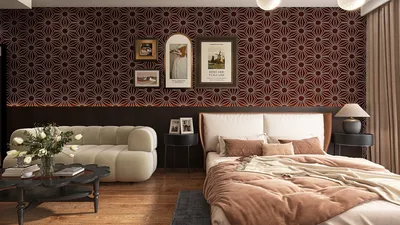


On a frosty morning, I once took on the task of repainting a client's compact bathroom, only to find the paint blistered by the next day. This rookie oversight taught me the crucial importance of temperature and dew point. While small spaces can ignite a wealth of creativity, they also magnify mistakes, particularly when the conditions aren't ideal. To quickly visualize how different colors and finishes might appear under varying lighting, I often utilize 3D visualization tools like Homestyler to explore ideas before making a full commitment to painting.
1. Optimal temperature range: 50–85°F (10–29°C)
After years of experience in both indoor and outdoor projects, I consistently strive for that perfect temperature range. Most latex paints dry and cure optimally between 50°F and 85°F; when temperatures dip below this, drying can slow down and adhesion may be compromised. Conversely, if the temperature rises above this range, paint can dry too quickly, leading to visible brush marks. The benefit is reliable drying times and fewer callbacks, though scheduling around shifting weather can pose a challenge.
save pin
2. Be mindful of humidity and dew point
Temperature alone is not enough to ensure a successful paint job; parameters like relative humidity and dew point are crucial. High humidity levels (over 70%) can significantly prolong drying times and cause dust to stick to tacky surfaces. To avoid this, I start my day by checking both the temperature and dew point, ensuring that I do not paint when there is a risk of dew forming on new coats. This simple precaution can save hours of rework later on.
save pin
3. Avoid direct midday sun and extreme heat
Painting an exterior wall during peak summer hours resulted in unsightly lap marks due to surface temperatures soaring to 100°F. When paint is applied in direct sunlight or on surfaces exceeding 85–90°F, it tends to dry unevenly. If you must paint on a particularly hot day, tackle the shaded sides first, work during the cooler parts of the day, or postpone the task until the temperature drops — otherwise, the fast drying process may lead to additional sanding work down the line.
save pin
4. Best times of day and seasons for painting
When painting exteriors, I prefer to start in the morning after the dew has evaporated or in the late afternoon to avoid scorching surfaces. Interior jobs tend to be more forgiving, yet I still steer clear of chilling nights and excessively humid mornings. Properly planning your projects around the changing weather can help keep costs down, leading to fewer coats, swifter completions, and satisfied clients. To optimize your project schedule, you might consider using tools like a free floor plan to help organize painting tasks effectively.
save pin
5. Special cases: oil-based paints, primers, and cold climates
Oil-based and alkyd paints generally tolerate a broader range of temperatures but still require careful handling; they can yellow or take an excessive amount of time to cure in cool conditions. Primers can be even more finicky; some fast-curing varieties perform well in lower temperatures while others do not. In colder climates, I recommend selecting low-temperature-rated products and setting up heating or tenting for large outdoor jobs, although this can increase both cost and complexity. I always work with clients to balance budget and performance expectations.
save pin
FAQ
Q1: What is the best temperature to paint a house?
Ideally, I aim for around 65–75°F (18–24°C) whenever possible; this range is the most accommodating for consistent drying and minimizing surface problems.
Q2: Can I paint if it's below 50°F?
While some specialized paints may allow for painting below 50°F, most standard latex paints will not perform adequately. It's essential to consult product Technical Data Sheets (TDS) and refrain from painting below the manufacturer's specified minimum temperature to prevent issues with adhesion and curing.
Q3: How does humidity affect painting?
Elevated humidity levels can extend drying times and increase the likelihood of dirt adhering to wet paint. For optimal results, aim for relative humidity levels below 60% and avoid painting during foggy or rainy conditions.
Q4: Is painting at night an option?
Painting indoors at night can work if temperatures and humidity levels remain stable. However, outdoor night painting can be problematic due to dropping temperatures and dew forming on fresh paint, which can ruin the finish and adhesion.
Q5: What is the significance of dew point?
Absolutely — if the surface temperature is near the dew point, moisture can condense onto the paint. Always reference dew point charts and avoid painting when the surface temperature approaches the dew point.
Q6: Are there authoritative guidelines I should follow?
Certainly. Paint manufacturers offer specifications regarding temperature and humidity; for instance, Sherwin-Williams provides recommended application and drying conditions for their products. Always adhere to the technical data sheets for optimal results.
Q7: How should I adapt to sudden weather changes while working?
Be prepared with plastic sheeting, drop cloths, and an alternative plan. For outdoor jobs, regularly check forecasts and steer clear of starting late in the day if rain or quick temperature drops are on the horizon; sometimes postponing by a day can save significantly more than attempting to rush through the job.
Q8: Will temperature factors influence my kitchen repaint plans?
Absolutely — kitchens tend to heat up during cooking and can experience high humidity levels. It's wise to schedule painting for cooler, drier times and organize the sequence of work to ensure optimal ventilation and curing. For more extensive remodels, incorporate your painting timeline with your kitchen layout planning to avoid potential conflicts.
save pin
Discover the ease of home design with Homestyler! This user-friendly platform offers a powerful online design tool, stunning 3D renderings, and a plethora of inspiring design projects. Plus, with DIY video tutorials, transforming your space has never been easier or more enjoyable!
Zaprojektuj teraz za darmo
































