


As a professional in designing event environments, I find that the banner, though it can be one of the smallest elements in a space, plays a crucial role. Whether it's a welcome wall at a wedding, a backdrop for a product launch, or guiding attendees at a conference, a thoughtfully crafted occasion banner establishes atmosphere, clarifies movement through the space, and encourages actions. It transcends simple graphics; it serves as an environmental element intertwined with lighting, sightlines, sound, and human behavior. Utilizing tools like Homestyler can enhance this process effectively.
Integrating Evidence-Based Human Factors into Banner Design
Starting with a foundation rooted in science, readability is paramount. The International WELL Building Institute advocates for managing glare and ensuring balanced brightness across visual tasks. According to the WELL v2 Light L03 standards, suitable contrast levels can alleviate visual stress. From my experience in venues, I strive for at least a 70% contrast ratio between text and its background to ensure visibility under mixed lighting conditions. Color signals also matter; studies compiled by Verywell Mind indicate that vibrant, warm colors can elevate excitement and focus, while cooler shades promote tranquility and reliability, helping to define different areas within the venue—such as registration versus lounge spaces. Following guidance from the Illuminating Engineering Society (IES), I set a lighting standard of 300 to 500 lux for assembly areas, as banners in poorly lit spaces tend to underperform. On-site testing is essential.
Key Objectives for Your Banner
Every banner must fulfill three primary functions: signal identity, guide behavior, and convert interest into action. Identity encapsulates brand and event storytelling; features like text hierarchy, color schemes, and finishes should align with the experience being offered. For directional clarity, elements like arrows, area labels, and event schedules should be strategically positioned where people naturally pause. Conversion requires a clear call-to-action, such as QR codes for booking or subscriptions. Observations from Herman Miller highlight that attendees make quick decisions in just 3 to 5 seconds, so it is crucial that your headline captures attention within this brief window. A suggested approach is to adopt a three-tiered structure that includes a concise headline, a brief subline, and a scannable call-to-action.
Considerations of Scale, Sightlines, and Space Ratios
The scale of your banner should be dictated by human perception. For an optimal viewing distance of 10 to 15 feet, set the height of the headline text at about 1 to 1.5 inches for every 10 feet, which translates to a minimum of 1.5 to 2 inches for mid-hall placements. Employ a visual rhythm rule of 60/30/10: allocate 60% for a neutral background, 30% for brand colors, and 10% for accent colors. I recommend following a 1:1.6 ratio (golden ratio) for the primary message area to facilitate balanced eye movement in busy environments. Position your banners to face the primary flow of traffic while maintaining an angle of 15-25 degrees to reduce the need for participants to turn their heads too much.
Optimizing Lighting for Clarity Without Glare
Event spaces often combine overhead ambient lighting with focused stage lights, which may cause glare on glossy vinyl materials. Using matte or low-sheen fabric can minimize reflective issues. Aim for a lighting intensity of 300 to 500 lux across the banner while ensuring uniform lighting distribution to avoid hot spots, conforming to IES assembly lighting standards. It’s also important to maintain consistent correlated color temperatures: use 3000–3500K for warm, inviting social settings and 4000–4500K for clear corporate messaging. Additionally, be cautious of high-chroma reds near projection screens, as they can affect color perception.
Utilizing Color Psychology to Match the Event's Mood
I carefully select color schemes based on the event's purpose. For upscale fundraising galas, jewel tones like emerald and sapphire combined with high-contrast white typography convey elegance and significance. In technology product launches, electric blue alongside sharp black and neon accents conveys innovation; color psychology research suggests that blue evokes trust and competency, while yellow accents can effectively direct focus towards calls-to-action. For wellness or educational settings, muted greens and warm neutrals ease cognitive load and harmonize with natural elements.
Typography and Design Hierarchy That Increase Engagement
Choosing sans-serif typefaces with open forms (such as humanist or geometric styles) typically enhances readability at mid-range distances better than decorative scripts. I recommend limiting types to two weights and three sizes, with slightly increased tracking (+10 to +30) for larger display text to prevent visual haziness under bright light. It's advisable to keep line lengths under 35 to 45 characters for effective slogans, placing calls-to-action in the primary visual triangle that consists of the headline, logo, and other significant anchors in the venue.
Selection of Materials with Sustainability in Mind
In busy event environments, reinforced fabric scrims, dye-sublimated polyester, or silicone-edge graphics ensure durability and facilitate reuse. To promote sustainability, choose recyclable materials and water-based inks, while avoiding PVC whenever feasible. Resource databases like Material Connexion provide options for low-VOC and recycled materials that meet green compliance, particularly important in venues with environmental standards. If your banners are located near food service areas, consider wipe-clean surfaces and ensure fire-retardant certifications align with venue policies.
Acoustics and Banner Placement Considerations
While banners by themselves won't resolve acoustic issues, their strategic placement can affect behavior within loud venues. Positioning banners to define quieter areas, such as lounges or family zones, can help diminish background noise. Soft banner materials provide minimal sound absorption, but for better acoustic results, consider integrating them with felt backers or fabric frames along hard boundaries to mitigate echo disruption. For areas with more conversations, avoid placing calls-to-action near loudspeakers to enhance visitor focus.
Strategic Layout from Entrance to Stage
I approach banner placement based on the visitor journey: starting from Arrival (signaling identity and direction), moving to the Threshold (displaying agenda and QR codes), then continuing into the Core (stage backdrop) and Support (sponsor walls) before reaching Exit (gathering feedback). It’s vital to anchor major banners at critical decision points, including the registration area and the first intersections attendees encounter. When planning the full layout of the venue, using a room layout tool can help visualize sightlines and guest flow before finalizing banners— Homestyler is an excellent option for this.
Understanding Behavioral Patterns in Design
Individuals tend to remember beginnings and endings best (the primacy-recency effect). Therefore, it's advisable to position your most impactful messages at both the entry and exit points, while reinforcing key phrases at mid-journey stages. For banners serving as photo backdrops, consider including floor markers to guide the ideal angle and distance for smartphone photography, keeping reflective materials to a minimum to avoid glare. At conferences, color-coding banners to match attendee lanyards aids in navigation—visual consistency improves flow.
Prioritizing Accessibility and Inclusivity
Incorporate ADA-compliant contrast and sizing into your designs. Avoid using colors that rely on red-green perception alone; instead, utilize shapes alongside labels for clarity. Ensure QR codes are sized at 36–40 mm for effective scanning from a distance, and provide alternative short URLs for those without camera access. Position banner headlines around 60–64 inches high to ensure visibility for average adults, and for children’s events, lower this to 52–56 inches.
My Execution Checklist
- Clearly define a single message for each banner, eliminating anything irrelevant to that purpose.
- Verify lux levels at intended mounting points using a spot meter or app; adjust fixtures accordingly to achieve 300–500 lux without glare.
- Confirm color contrast with digital checks and print 100% scale text strips for legibility assessment.
- Conduct a small-scale pilot within the event space to observe movement angles and time spent at banners.
- Select sustainable materials and align rigging plans with venue weight limits.
- Document placements with photographs to enhance future event planning.
References for Further Authority
For comprehensive guidance on lighting and wellness, review the WELL v2 Light framework. For insights on color behavior and psychology, refer to resources available at Verywell Mind.
Frequently Asked Questions
Q1: What is the ideal letter size for banners to be clearly readable across a venue?
A1: Aim for approximately 1 inch of letter height for every 10 feet of viewing distance. For a distance of 15-20 feet, set headlines at a minimum of 1.5 to 2 inches while using high contrast to ensure clarity.
Q2: How bright should a banner be lit for effective visibility?
A2: Target a brightness range of 300 to 500 lux across the banner face with even distribution; this adheres to typical assembly space standards and helps to prevent eye fatigue.
Q3: What color schemes are most effective for various event types?
A3: Blue shades convey trust and competence for corporate events; jewel tones promote a sense of formality for galas; desaturated greens create calm atmospheres for wellness. Use contrasting accents like yellow in CTAs to draw attention without being overwhelming.
Q4: Which materials ensure a balance between durability and sustainability?
A4: Options such as dye-sublimation fabric on tension frames, recyclable polyester scrims, or paper-based boards using water-based inks are advisable. It's best to avoid PVC when venues have green policies, paying attention to fire safety ratings.
Q5: How can I prevent glare on shiny banners?
A5: Opt for matte or low-sheen materials, position lights at angles of 30-45° from the surface, and ensure even light distribution to prevent hotspots.
Q6: Where is the best place to situate banners for optimal flow?
A6: Position them at key decision making points such as entrance, registration area, initial circulation forks, and near stages. A perpendicular alignment to traffic enhances visibility, and adding floor indicators can help direct attendees in busy areas.
Q7: What are some effective strategies for calls-to-action on event banners?
A7: Keep CTAs concise (e.g., 'Scan to RSVP,' 'Share your photo'), place them within the main visual triangle, and ensure a contrasting color scheme for buttons. Always provide both QR and short URL alternatives for greater accessibility.
Q8: How do typography choices influence readability?
A8: Utilize sans-serif typefaces with open designs, limiting your selection to two weights and three sizes, while adjusting tracking for larger display text slightly. Avoid decorative script fonts except for brief, artistic uses.
Q9: Can banners contribute to improving acoustics?
A9: While soft banners offer limited acoustic benefits, they can enhance the environment when combined with backers that absorb sound or frame stretch fabrics near hard surfaces to minimize echo.
Q10: What is the optimal mounting height for banners?
A10: Set headlines approximately 60-64 inches high to reach the average adult's line of sight, adjusting to approximately 52-56 inches for child-centered events.
Q11: How should sponsor logos be incorporated effectively?
A11: Yes, but aggregate them into a single sponsor band with uniform sizing and sufficient spacing. Keep logos positioned below the primary message to maintain visual hierarchy.
Q12: What steps should I take to assess a banner prior to the event?
A12: Print a full-scale text strip, verify contrast under relevant lighting conditions, and simulate a quick setup in the hall to evaluate movement patterns and interaction durations, adjusting as necessary.
What began as an Autodesk innovation has evolved into a design platform used by more than 18 million people around the globe. Homestyler combines powerful rendering, an intuitive editor, and a vast furniture library to help you turn inspiration into photorealistic designs — whether you're redesigning a single room or planning an entire home.
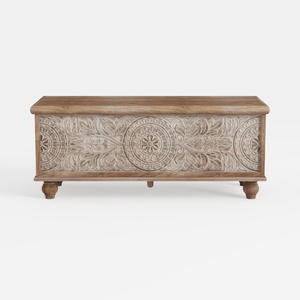
Vintage Carved Solid Wood Storage Bench 3D Model


Minimalist Olive Green Acrylic Round Coffee Table 3D Model

Minimalist Black Stone Coffee Table Unique Irregular Shape 3D Model
Looking to transform your space? Homestyler is an outstanding online home design platform that lets you play with design ideas effortlessly. Enjoy a user-friendly design tool, stunning 3D renderings, inspiring projects, and helpful video tutorials to make your dream home a reality!
Progetta ora GRATIS
































