

Direct Answer
Optimal dining room rug placement allows chairs to be pulled out completely while ensuring pathways remain unobstructed. Typically, the rug should extend 24 to 30 inches beyond the dining table on all sides and be positioned centrally within the natural flow of the room.
This approach prevents chairs from catching on rug edges and maintains smooth movement around the dining area.
Quick Takeaways
Introduction
From my experience with numerous dining room designs over the years, I've found that rug issues usually stem from movement constraints rather than aesthetics.
Many homeowners select rugs that visually fit beneath their tables but encounter problems when chairs snag on rug edges or walkways feel cramped, making the space seem smaller.
Proper dining rug placement addresses these challenges proactively by focusing not just on size but on positioning the rug to facilitate easy chair movement and comfortable circulation, all while keeping the area visually harmonious.
When designing layouts, I often start by mapping traffic flow using visual room planning tools that illustrate how people naturally move within the space, which improves placement accuracy beyond simple measurements.
In this article, I’ll share the strategies I apply across various settings—from compact city dining rooms to expansive open floor plans—using tools like Homestyler to visualize and plan the perfect rug placement.
save pin
Why Traffic Flow Is Crucial for Dining Room Rug Placement
Insight: Functional dining rugs avoid heavy traffic zones rather than being placed strictly for symmetry.
A common error is centering rugs visually without accounting for foot traffic, causing people to frequently step on and off the rug as they pass, disrupting flow.
Since dining areas often double as passageways, especially in open layouts or apartments, rugs placed in primary walkways tend to curl at edges and cause collisions with chairs when guests move behind seated diners.
Designers typically categorize three zones of movement:
The rug should fully encompass chair movement areas while steering clear of main walkways when feasible.
For example, in a Los Angeles condo, shifting the rug only 8 inches away from the main kitchen path successfully eliminated chair bumps and improved circulation.
Minimum Clearance for Dining Chairs and Walkways
Key Point: The rug must extend far enough so chairs remain fully on it even when pulled out.
Interior designers commonly follow the 24 to 30 inch rule for rug extension beyond the table edges.
Typical clearance measurements include:
This ensures that all four chair legs stay on the rug regardless of how guests adjust their seating.
The American Society of Interior Designers recommends maintaining at least 36 inches of clearance around dining seats to allow smooth movement.
save pin
How Far Should a Rug Extend Beyond a Dining Table?
Essential Insight: Most dining rugs should extend roughly two feet beyond the table, although adjustments may be necessary depending on chair dimensions and room layout.
While the 24-inch guideline is popular, real-life scenarios often call for tailored changes.
There are cases when designers opt for larger extensions:
Situations where slightly smaller extensions might be acceptable include:
When proportions are uncertain, using visualization tools like Homestyler helps sketch the room layout and rug coverage before purchase, avoiding costly mistakes.
Optimizing Rug Placement in Compact Dining Rooms
Key Insight: In smaller spaces, precise rug centering and proportional margins are more critical than simply rug size.
Small dining rooms present challenges because the rug must support chair movement without making the area feel confined.
Three adjustments that improve these spaces are:
A common pitfall is pushing the rug against a wall to gain chair clearance, which often leads to unbalanced or awkward room appearances.
Instead, it’s better to keep the rug centered under the table and allow extra circulation space to fall naturally on the entry side.
save pin
Rug Placement Techniques for Large Dining Areas
Key Insight: Large dining rooms benefit from rugs that visually anchor the table while preserving open pathways around the edges.
In oversized spaces, rugs that are too small can feel disconnected from the room’s scale.
Designers address this by scaling rugs to define a distinct "dining zone" within the larger area.
Effective methods include:
Using photorealistic previews through platforms like Homestyler enables clients to see how a rug anchors the table before buying furniture, aiding better decisions.
save pin
Balancing Visual Appeal with Functional Layout
Key Insight: Movement considerations should take priority over pure aesthetics for ideal dining rug placement.
Interestingly, rugs that look perfect in staged photos may perform poorly in everyday use due to overlooked movement factors.
Hidden trade-offs include:
The best dining room rug placement occurs when three criteria are met simultaneously:
Answer Box
Ideal dining rug placement lets chairs slide out fully and keeps natural walkways clear. Most rugs should extend 24–30 inches beyond the table and be centered in the dining space.
Final Summary
FAQ
How far should a rug extend beyond a dining table?
Most experts recommend 24–30 inches to ensure chairs remain fully supported when pulled out.
What’s the best rug placement for chair movement in dining rooms?
Center the rug under the table and extend it enough so chairs never catch on edges when moved.
Should dining chairs always stay on the rug?
Yes, ideally all chair legs remain atop the rug even when chairs are pulled back.
Are round rugs suitable for dining rooms?
Round rugs complement round tables by maintaining equal spacing around chairs.
Can dining rugs be too large?
Yes, rugs touching walls or blocking pathways can hinder traffic flow and should be avoided.
Which rug materials are best under dining tables?
Low-pile or flatweave rugs are preferred as they allow chairs to slide smoothly.
How to optimize dining rug size and positioning?
Measure chair clearance carefully and align the rug with the dining area rather than the room’s outer edges.
What are common dining rug placement errors related to traffic flow?
Using undersized rugs, locating rug edges in walkways, and ignoring chair clearance are typical mistakes.
References
Homestyler's roots trace back to Autodesk, the global leader in design and engineering software. That heritage lives on in every feature we build. Today, with a community of more than 18 million users worldwide, Homestyler continues to make professional-quality interior design accessible to everyone — from first-time decorators to seasoned architects.
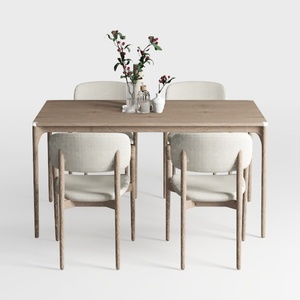
Minimalist Solid Oak Fabric Dining Table and Chair Set 3D Model

Modern Olive Green Velvet Tufted Solid Wood Base Armchair 3D Model
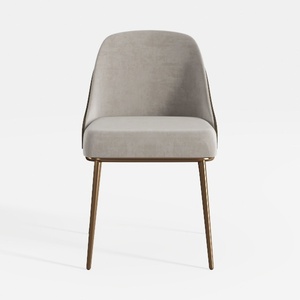
Modern Velvet Upholstered Brass Metal Frame Dining Chair 3D Model
Homestyler offers an easy-to-use online design tool with stunning 3D renderings, inspiring interior projects, and helpful DIY video tutorials. It’s perfect for creating and visualizing your dream home quickly and effortlessly. Explore your creativity with Homestyler today!
Design Now for FREE
































