

When designing dining rooms, I view them as vibrant social spaces where smooth movement, visibility, and lighting must harmonize effectively. Typically, a dining area performs optimally when it measures around the table's dimensions, complemented by ample space for circulation. As a practical guideline, a dining table capable of seating six people generally requires a minimum room size of approximately 10' x 12' (3.05 m x 3.66 m) to allow for comfortable pathways and sufficient storage. To ensure that all seating remains accessible, I recommend maintaining at least 36 inches (915 mm) from the edge of the table to any walls or furniture, while 42–48 inches (1.07–1.22 m) enhances the passing experience for two individuals moving behind an occupied chair. Following WELL v2 standards for circulation, it's crucial to uphold easy flow and avoid tight spaces to minimize stress and congestion in communal areas. For primary pathways, a width of 42 inches or more is advisable, as highlighted in the WELL v2 guidelines (visit wellcertified.com for more information). According to research from Steelcase, environments that promote social interaction contribute positively to well-being and productivity; in homes, this translates into ensuring adequate space for meaningful face-to-face conversations and movement within sitting areas (source: steelcase.com/research).
The comfort of lighting and acoustics fundamentally influences how long guests choose to stay at the dining table. The IES suggests a dining illuminance level of about 10 to 30 footcandles (100–300 lux) on the tabletop, enhanced by dimmable ambient lighting to create a suitable atmosphere. A color temperature range of 2700–3000K casts a warm and inviting glow, while a high Color Rendering Index (CRI of 90+) accurately displays food hues. From my design experiences, pendants sized between 1/2 and 2/3 of the table's width, hung 30 to 36 inches (760–915 mm) above the tabletop, provide directed lighting without obstructing sightlines across the table. If the dining space also functions as a workspace, maintaining the task light level around 300 lux while allowing for dimming capabilities is essential.
Key Dimensions for Dining Rooms
• Core clearances: Ensure a minimum of 36 inches from the edge of the table to the walls or cabinetry; a preferred amount is between 42 and 48 inches to allow for smooth movement and server pathways.
• Chair push-back: Allow 18 to 24 inches of space behind each chair for easy movement; a distance of 24 inches is more comfortable with armchairs.
• Door swings: Maintain a clear pathway of at least 3 feet where doors swing into the dining area; pocket or outswing doors can reclaim essential inches.
• Buffet dimensions: Sideboards generally have a depth of 18 to 20 inches; ensure there is room for drawers to open without hitting chair backs.
• Rug sizing: Rugs should extend at least 24 inches beyond the table edges on all sides, allowing chairs to remain on the rug when pulled out.
Standard Dining Room Sizes by Table Capacity
I prioritize the size of the dining room based on the table first, then incorporate storage, decorative art, and circulation space:
• 4-seat: Minimum dimensions of 8' x 10' (2.44 x 3.05 m) accommodate a round table size of 36–42 inches or a rectangular table sized at 30–36 inches by 48–54 inches.
• 6-seat: Require a room of 10' x 12' (3.05 x 3.66 m) for a rectangular table of 36–42 inches by 72 inches or 48–54 inches round.
• 8-seat: Dimensions of 11' x 14' (3.35 x 4.27 m) allow for a rectangular table of 40–44 inches by 84–96 inches or a 60-inch round table.
• 10–12 seat: A range of 12' x 16' to 14' x 18' (3.66 x 4.88 to 4.27 x 5.49 m) supports a rectangular table measuring 42–48 inches by 108–120 inches or a 72-inch round table.
Rectangular, Round, and Extension Tables
• Rectangular: Maximizes wall use while facilitating the placement of a buffet on one side and windows on the opposite, with a suitable depth of 40–44 inches to ensure ample place settings and shared platter space.
• Round: Promotes conversation in tighter spaces and eases movement around corners; a 48–54 inch diameter comfortably seats 5 to 6 without crowding dishware.
• Extension: Plan for storage of leaves and accommodate expanded clearances; when fully extended, reassess clearances to maintain at least 36 inches around the table.
Defining Open-Plan Dining Areas Without Walls
In open layouts, I utilize three key elements to define the dining area: a centered pendant light, a properly-sized rug, and a sideboard or banquette to anchor the space visually. Movement should flow smoothly around the host's chair rather than cutting directly between the table and kitchen. When redesigning layouts, employing a room layout tool like Homestyler can effectively assist in simulating spaces and checking clearances prior to making purchases.
• Seat height: Generally 18 inches (460 mm) pairs with table heights of 29–30 inches; maintaining a knee clearance of 10 to 12 inches is essential for comfort.
• Armchairs at ends: Require additional width (24–26 inches per setting) compared to 20–22 inches for armless chairs.
• Banquettes: A depth ranging from 18 to 20 inches combined with a back angle of 10 to 12 degrees enables enjoyable lengthy meals; plan on 24 inches per person along the bench.
Layers of Lighting and Mitigating Glare
Dining rooms benefit from three lighting layers: ambient (such as dimmable ceiling or wall washes), focal (pendants or chandeliers), and accent (sconces or art lights). Keep pendant brightness comfortable by using shades, diffusers, or indirect lighting, while avoiding high-gloss tabletops that reflect light; instead, favor a matte or satin finish for improved visual comfort.
Using Color Psychology to Enhance Appetite and Atmosphere
I prefer warm neutral tones combined with muted reds, terracotta, or olive accents to create an inviting environment without overwhelming the display of food. Cooler color palettes can be effective when complemented with warm lighting and natural woods. For frequent entertainers, employing a slightly darker color scheme on the walls (around LRV 30–50) softens contrasts and directs focus towards the centerpiece on the dining table.
Creating Acoustic Comfort
Hard surfaces can amplify noise. I aim for a combination of sound-absorbing materials, such as full rugs under the table, lined draperies, upholstered seating, and acoustic panels, especially in rooms with high ceilings. In smaller apartments, even a fabric-wrapped pinboard near the dining area can help reduce echo.
Optimizing Storage, Service, and Flow
Sideboards and hutches work well on longer walls; maintain a distance of at least 48 inches from the table edge for buffet-style serving to allow guests to queue without obstructing diners. If wine storage is included, avoid situating it near main traffic paths to minimize disruption during mealtime.
Consideration of Ceiling Height and Fixture Scale
Rooms with standard 8-foot ceilings necessitate low-profile fixtures; in spaces with 9–10-foot ceilings, I suggest a diameter for the pendant that is about 1/2 the width of the table, allowing for a modest drop to enhance intimacy. For very high ceilings, a multi-light linear cluster can maintain brightness near the table surface without causing glare.
Managing Windows, Daylight, and Thermal Gain
Natural light dramatically improves the dining experience, though west-facing windows can cause glare in the late afternoon. To ensure balanced brightness as daylight fades, layer sheer curtains with dimmable fixtures. Position the ends of the table slightly away from direct pathways leading to patio doors to reduce drafts during transitional seasons.
Choosing Materials and Sustainable Options
Opt for resilient tabletop materials, such as solid wood, high-pressure laminate, or sintered stone, for everyday use. Chairs that allow for replaceable seat cushions can prolong lifespan. Opting for natural oils or low-VOC finishes enhances indoor air quality while facilitating easy maintenance. For households with children, using performance fabrics or breathable leather can strike a balance between ease of cleaning and comfort.
Pre-Purchase Measurement Checklist
• Measure the room: Consider wall lengths, window and door placements, and the position of heaters or vents.
• Sketch the table’s footprint along with a 36–48 inch surrounding area.
• Confirm the delivery pathway: Check that stair turns and door widths (34–36 inches clearance) are adequate.
• Ensure that the pendant junction box is centered above the chosen table size.
• Outline rug dimensions using painter’s tape to visualize space for chairs to pull back easily.
Common Floor Plan Layouts
• Long room (e.g., 9' x 13'): Consider a 36–38 inch wide table and armless chairs; recessing shelving or shallow consoles can help maintain walkways.
• Square room (e.g., 11' x 11'): A 54 inch round table, combined with a central pendant light and four to six chairs, optimizes social arrangement.
• Pass-through room: Maintain 48 inches of clearance on the main side; position storage opposite the primary circulation route.
Planning for the Future in Dining Rooms
Design for versatility: ensure the lighting accommodates task purposes (dimming to levels around 300–500 lux), include outlets by banquettes, and select durable finishes for tables. If larger gatherings are common, plan the overall design based on the fully-extended table size instead of the regular setup.
Frequently Asked Questions
Q1. What is the minimum distance needed behind a dining chair?
A1. Aim for at least 36 inches from the table to walls or furniture, with 42–48 inches being ideal for comfortable passageway behind a seated individual.
Q2. What size should a dining room be to accommodate six people?
A2. A practical goal is around 10' x 12' with a 36–42 inches by 72-inch table, facilitating usable movement around all sides.
Q3. What table size is suitable for a quaint apartment dining nook?
A3. A 36–40 inch round table can seat four comfortably and help soften tight corners; pair it with armless chairs to maximize width.
Q4. How high should I hang a dining pendant light?
A4. Generally, it should be positioned 30–36 inches above the tabletop. It's important to scale the fixture to about 1/2 to 2/3 of the table width to avoid glare and obstructed sightlines.
Q5. What is the best illuminance level for dining?
A5. Aim for about 100 to 300 lux on the table surface, combined with dimmable ambient light. A warmer color temperature of 2700–3000K enhances food appearance.
Q6. How do I determine the appropriate rug size for the dining room?
A6. The rug should extend at least 24 inches beyond the table edge on all sides to ensure chairs remain entirely on the rug when pulled out.
Q7. Are banquettes a space-saving option?
A7. Absolutely. A built-in banquette against a wall aids in reducing circulation needs on that side of the room; allow for 18–20 inches of seat depth and 24 inches per diner.
Q8. What clearance is necessary for a buffet?
A8. Maintain a distance of 48 inches from the table edge if serving buffet-style to ensure guests can queue up without intruding on seated diners.
Q9. What can be done about acoustics in a dining room with hard surfaces?
A9. Incorporate a full-area rug, lined draperies, and upholstered chairs; these will help mitigate reverberation, facilitating easier conversations.
Q10. How do extension leaves impact room sizing?
A10. Calculate the room size based on the largest extended version of the table and verify that 36 to 48 inches of clearance is still maintained around the sides.
Q11. What width is comfortable for a dining table?
A11. For rectangular tables, a width of 40 to 44 inches provides enough space for place settings and shared platters without feeling cramped.
Q12. What is the recommended width for main walkways in the dining room?
A12. Aim to keep primary walkways at around 42 inches or wider, especially in areas where several people may move around during meals.
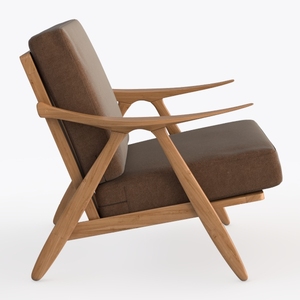
Lexicon Mid Century Modern Accent Chair, Faux

Modern Minimalist Solid Wood Round Dining Table With Black Metal Base 3D Model


Vintage Floral Fabric Solid Wood Dining Chair 3D Model
Discover Homestyler, the ultimate online home design platform! With its easy-to-use design tool, stunning 3D renderings, and a wealth of DIY video tutorials, you'll transform your home effortlessly. Perfect for both novices and seasoned designers, it’s time to unleash your creativity!
Concevez maintenant gratuitement
































