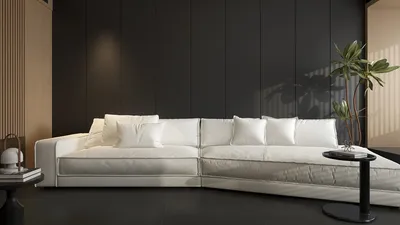


When considering lighting for a living room, I liken it to crafting a layered masterpiece: ambient lighting lays the groundwork, task lighting enhances practicality, and accent lighting adds personality and richness. Ceiling lights serve as the foundation for ambient illumination, but optimal designs should balance brightness with comfort, color quality, and the overall architectural vision. The Illuminating Engineering Society recommends that horizontal illuminance in living areas typically falls between 150–300 lux based on tasks and vision comfort related to age. Concurrently, the WELL Building Standard underscores the importance of glare reduction and accurate color rendering for visual and cognitive ease.
This methodology is supported by real-world insights. Research from Steelcase reveals that environments equipped with adjustable lighting significantly enhance comfort and engagement, particularly when users can customize intensity and color temperature for their specific activities. Regarding color choices, Verywell Mind suggests that warmer tones encourage relaxation, while cooler shades can boost alertness—important considerations when selecting correlated color temperature (CCT) for ceiling fixtures. When determining ceiling light placements or assessing beam coverage pre-installation, utilizing an interior layout planner tool like Homestyler can effectively simulate illumination and identify potential shadows in seating areas.
Optimal Ceiling Light Options for Living Rooms
Ceiling fixtures should harmonize with both the room's architecture and the family's functional dynamics. I strive for a well-rounded balance among general, task, and accent lighting, selecting fixtures that streamline visual aesthetics while maximizing usability.
Recessed LED lights deliver sleek designs and dependable ambient coverage. Opt for high CRI (90+) lamps to ensure natural color rendering on fabric and skin tones. Narrow beams (20–30°) are ideal for showcasing artwork or textured surfaces, whereas broader beams (60–75°) deliver more uniform ambient light. It's important to position fixtures away from the TV to diminish reflections, and steer clear of direct downlights over tables to avoid casting harsh shadows on guests. A dimmable light with a CCT of 2700–3000K promotes relaxation in the evening, while 3000–3500K maintains a vibrant daytime ambiance.
In spaces with lower ceiling heights, a low-profile flush or semi-flush light fixture can distribute light effectively and serve as the main ambient source. Select diffusers that soften brightness and minimize luminance contrast, which is essential for controlling glare. Incorporate dimming features for a smooth transition from bright light during gatherings to softer tones for family time.
Linear pendants or surface-mounted channels accentuate clean lines and provide even light distribution. They are particularly effective in long living-dining spaces, enhancing sightlines while ensuring consistent ambient lighting. Utilize separate circuits for linear runs and localized accents, allowing for seamless transitions from social gatherings to cozy nights in.
A chandelier establishes an inviting atmosphere—both sculptural and warm, creating a sociable environment. Opt for fixtures with layered diffusers (like fabric shades or glass) to avoid glare. I frequently complement chandeliers with dimmable wall lights to achieve even vertical illumination, enhancing facial visibility during social events.
Adjustable spotlights provide versatile illumination for artwork, bookshelves, or textured walls. Maintain aiming angles around 30° to minimize direct glare and achieve visually pleasing highlights. It's beneficial to mix spot and wash optics in a shared track to combine intensity and softness effectively.
The Importance of Light Quality: Color, Glare, and Harmony
Light quality directly influences the atmosphere. A CRI of 90+ ensures reds and earth tones appear vibrant and true, while R9 values are crucial for accurate skin tone representation. For most living rooms, a CCT of 2700–3000K feels inviting and homey; conversely, I opt for 3000–3500K in sleek, modern settings with cooler color palettes. Controlling glare is essential: employing shielding, cut-off angles, and diffusers keeps luminance balanced. As stated by WELL v2, managing both direct and reflected glare promotes visual comfort and alleviates eye strain. Combining ceiling lights with shaded lamps enhances vertical illumination—more light in those areas fosters a warm ambiance and reduces contrast ratios.
Strategic Lighting for Various Living Room Uses
I customize ceiling lighting based on activities—be it conversation, media, reading, or entertaining. Each type of use has specific requirements for ambient and accent layer ratios. Implementing a simple dimming scene can transform the atmosphere without the need for additional fixtures.
Use gentle ambient lighting from recessed or flush mounts to achieve around 200 lux, complemented by wall lights or shaded table lamps to illuminate faces and minimize shadowing. A warmer CCT (2700–3000K) supports a relaxed conversing environment.
Turn ambient lighting down to around 50–100 lux using dimmed overhead lights, favoring wall grazing or low-level floor lamps. Position ceiling spots away from screens to avoid reflection, and steer clear of high-intensity downlights that can create glare.
Keep ambient light around 150–200 lux, adding focused task lighting with floor or table lamps featuring opaque shades. If relying solely on recessed fixtures, use wider beams and dimmer settings to avoid harsh contrasts. High CRI enhances clarity and color accuracy in printed materials.
Boost ambient lighting to about 250–300 lux with ceiling fixtures, then layer accent lighting to create visual focal points. A chandelier dimmed to 70–80% can provide a lively yet comfortable atmosphere. Consider dynamic white control if your fixture allows for adjustable CCT.
Considerations for Ceiling Height, Proportions, and Fixture Size
Selecting fixtures must consider the room's spatial dynamics. For ceilings between 8–9 feet, choose low-profile flush, semi-flush, or recessed fixtures to maintain a clean look. In spaces with ceilings of 10–12 feet, larger chandeliers or linear pendants are appropriate; ensure the base of a chandelier is positioned about 7 feet above the floor in areas of frequent movement. Space recessed lights approximately 1.2–1.5 times the ceiling height apart for consistent coverage, adjusting locations based on beam angle and desired uniformity.
Lighting Controls: Dimming, Scene Settings, and Smart Features
Incorporating dimming options significantly enhances versatility. I recommend two circuits: one for the primary ceiling lights and another for accents. Smart dimmers or control hubs enable quick scene activations—such as 'Movie,' 'Reading,' or 'Dinner.' Maintaining consistent color temperatures across fixtures prevents mismatched lighting. For tunable white light, establish ranges suitable for your design palette (e.g., 2700–3500K). Aim for flicker-free drivers to minimize eye discomfort and headaches.
Acoustic and Material Considerations
Open-plan living rooms may feel bright but can also be quite noisy. Incorporating soft materials—like rugs, plush seating, and acoustic panels—can mitigate sound reverberation, creating a more peaceful ambiance. Opting for matte ceiling colors reduces reflected glare compared to high-gloss surfaces. When selecting diffusers, consider using frosted glass or fabric shades that soften light and contribute to a visually quieter environment.
Installation Advice and Common Errors
Plan the light grid in accordance with furniture positioning rather than just room layout. Keep downlights clear of seating areas to avoid shadows on faces. Align architectural luminaires with sightlines and main axes. Avoid relying on a singular ceiling fixture for all lighting tasks; doing so may result in a flat and overly bright environment. For testing configurations, employ a layout simulation tool like Homestyler to verify spacing and light coverage before proceeding with ceiling alterations.
Applying Color Psychology in Lighting
Warm lighting fosters relaxation and social interaction; cooler lighting heightens alertness and visual clarity. Verywell Mind highlights that warmer tones enhance comfort, making them ideal for evening activities, while cooler lighting aids concentration—this is especially beneficial if the living room serves as a workspace. Align CCT with the room's palette: warm woods and natural textiles appear best under 2700K; modern metals and neutral tones are vibrant under 3000–3500K.
Checklist for Roof Lights Performance
- CRI ≥ 90, with stable R9 values for authentic skin tones
- CCT selection based on use: 2700–3000K for cozy evenings; 3000–3500K for clear daytime visibility
- Dimmable drivers with low flicker, compatible with chosen control systems
- Appropriate optics tailored to tasks: wider for ambient, narrower for accent lighting
- Shielding and cut-off measures to minimize glare in seating areas
- Spacing designed according to ceiling height and beam specifications
- Uniform color consistency across all fixtures
Frequently Asked Questions
For general living spaces, aim for approximately 150–300 lux at task height, adjusting as necessary depending on age, activities, and natural light conditions. Utilize dimming tools to fine-tune light levels within this range.
2700K generally feels more inviting and relaxing, making it ideal for winding down, while 3000K remains warm yet slightly sharper—suitable for multifunctional areas that entertain guests.
Position fixtures roughly 1.2–1.5 times the ceiling height apart. Adjust the quantity based on beam angle and room dimensions, then confirm coverage using a layout simulation tool before making any physical alterations.
Select a CRI of 90 or higher, and evaluate R9 values to ensure vibrant reds and natural skin tones. A high CRI levels helps preserve color integrity on textiles, artworks, and wood surfaces.
Utilize diffusers and recessed trims with appropriate cut-off designs, while avoiding direct aiming towards TV screens or reflective surfaces. Ensure a balance of vertical lighting with wall-mounted fixtures and shaded lamps.
Absolutely. A color range of 2700–3500K allows you to switch between cozy ambiance and sharper illumination for active daytime tasks. Consistent color across fixtures is key to avoiding visual discrepancies.
Typically, it's advisable to avoid relying solely on chandeliers for full illumination. Pair them with recessed or wall lighting to distribute light evenly, preventing stark contrasts. Setting dimmed scenes is ideal for creating the right atmosphere for gatherings.
Utilize multiple circuits (ambient and accent) equipped with dimming capabilities. Smart scene options like 'Movie', 'Reading', or 'Dinner' allow for effortless lighting transitions and maintain comfortable levels.
Lower ceilings benefit from flush or recessed lighting to eliminate clutter, while rooms with taller ceilings can accommodate larger pendants or chandeliers; ensure fixtures hang around 7 feet off the floor in pathways.
Indeed. Highly illuminated areas with hard surfaces can feel abrasive. Selecting softer materials and diffusing light can create a more serene and enjoyable space.
Discover the creative possibilities with Homestyler! This online home design platform offers a user-friendly design tool, stunning 3D renderings, and a wealth of DIY video tutorials. Perfect for anyone looking to inspire their home transformation—get started on your dream project today!
تصميم الآن مجانا
































