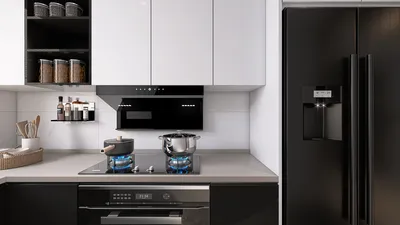


Having designed numerous kitchens, I've observed that the breakfast counter often transforms into the heart of daily household activities. Achieving the ideal height integrates ergonomics, movement, and effective task lighting, ensuring you won't find yourself hunched over cereal or having your knees bump against a low overhang. Most homes typically feature one of three height ranges: the standard counter, approximately 36 inches, bar-height at about 42 inches, or a hybrid model that combines both. The key lies in aligning the height with seating options, user needs, and specific tasks, while adjusting lighting and knee space to facilitate smooth mornings.
When it comes to comfort, precise measurements outweigh assumptions. A seated elbow should rest comfortably about 10-12 inches above the surface; when paired with stool heights, this provides reliable standards: 36-inch counters work best with 24-26-inch stools, while 42-inch counters fit 29-31-inch stools. For optimal task comfort, WELL v2 guidelines recommend reducing awkward postures and enabling neutral joint alignment; a neutral wrist height for light food prep generally sits close to 36 inches for most adults, according to WELL v2. Lighting-wise, IES recommends a task illuminance of 300-500 lux for food preparation, which enhances color rendering and reduces eye strain (IES standards).
The habits of a household heavily influence design decisions. Research from Steelcase indicates that our postures evolve throughout the day, affecting comfort and efficiency; in kitchens, this means providing seating that accommodates both quick sit-downs and longer gatherings (Steelcase wellbeing research). If breakfast time doubles as a remote workstation, it's essential to consider seating variety: a slightly lower tier of 36 inches for typing, complemented by a higher tier of 42 inches to protect against splashes from food preparation activities.
Standard Breakfast Counter Height (36 inches)
In family kitchens, a height of 36 inches proves to be the most versatile choice. It aligns with standard countertop measurements, facilitates knife work and pouring, and pairs seamlessly with 24-26-inch stools. I generally set overhangs at 12 inches for backless stool users, increasing to 14 inches for those who prefer low-back seating. Including footrests positioned 7-9 inches above the floor helps alleviate calf fatigue. When the countertop also serves as a breakfast area, I ensure undercounter storage is designed to avoid intrusion into knee space—particularly in corner areas.
Bar-Height Breakfast Counter (42 inches)
Opting for bar-height creates a distinct visual separation from the main working counter, helps conceal preparation mess, and enhances standing comfort for quick meals. This height works well with 29-31-inch stools, making it an excellent choice for social dining spaces and narrow areas where taller seating allows clear sightlines across adjoining islands. However, it’s important to consider reach: shorter individuals might struggle with lifting heavy items onto a 42-inch surface, so I recommend positioning heavy cookware away from this taller tier.
Tiered Solutions: Best of Both Worlds
When a single height doesn't suffice, I design two-level islands: 36 inches for meal prep and homework for kids, while 42 inches is reserved for adult coffee breaks. The elevated section serves both as a splash shield and a visual barrier, and the lower section maintains ergonomic accessibility for chopping tasks. Height transitions should be intentional: a 6-inch difference between tiers prevents awkward slopes and upholds clean lines. If you're testing the flow before finalizing, consider using a room layout tool like Homestyler to simulate circulation, spacing for stools, and clearance requirements.
Clearances, Overhangs, and Stool Spacing
Comfort during breakfast heavily depends on the space beneath the counter. I typically establish knee clearances around 10-13 inches deep and at least 28-30 inches high under the counter's edge. Overhangs should measure a minimum of 12 inches for casual seating; should your household prefer lingering, extending this to 14 inches provides extra knee space. The distance between stools should start at 24 inches from center to center, increasing to 26-28 inches for larger seats or armchairs. It’s essential to plan for 36-42 inches of aisle space behind seated diners to ensure smooth movement when the cook requires access to the kitchen.
Lighting for Breakfast Counters
Glare can significantly hinder productivity. I recommend warm-neutral pendant lights (between 2700-3000K) paired with diffusers, ideally suspended so the bottom is positioned 28-34 inches above the counter, preventing eye-level glare when seated. For task illumination, the goal is 300-500 lux as per IES standards, adjusting brightness for detailed tasks like reading fine print or homework. Layering this lighting with dimmable under-cabinet lights makes early mornings more manageable, and integrating smart controls for gradual brightness increases helps ease visual shock at dawn.
Ergonomics: Seat Height, Footrests, and Posture
Comfort is heavily influenced by proportions. For a 36-inch counter, 24-26-inch stools set forearms in a neutral position. For a 42-inch counter, 29-31-inch stools are standard; ensuring a footrest sits 7-9 inches above the floor or integrating an island rail helps avoid dangling feet. Conducting sit tests is vital: shoulders should be relaxed, wrists aligned, and knees clear of the edge without unnecessary twisting. For varied user heights, adjustable stools or a tiered island can provide everyone with a comfortable seating option.
Material Choices and Edge Profiles
Breakfast counters endure daily wear and tear. I prefer materials like quartz or sintered stone for their durability, along with matte or honed finishes to minimize glare in the morning light. Edges should be eased or half-bullnose to prevent discomfort. Wooden surfaces add warmth but require durable finishes; if coffee stains are a concern, choose hardwax oils or conversion varnishes with maintenance routines. Make sure the front edge is comfortable because it becomes a frequently used resting spot.
Acoustic Comfort and Morning Calm
Kitchens with hard surfaces can amplify noise. If your breakfast counter is part of an open-plan design, consider softening the sound with upholstered stools, pendant light shades made of felt or fabric, and area rugs nearby. Establishing a quiet zone fosters conversation and accommodates individuals who are sensitive to noise in the early morning. I actively avoid metal stools that could create echoing sounds in open spaces.
Kids, Seniors, and Inclusive Design
Inclusive kitchen designs cater to everyone. Younger children thrive at a 36-inch height, using sturdy, lower stools with convenient footrests. For seniors or individuals with mobility challenges, I adhere to a 36-inch primary seating standard, add supportive bracing for easy standing up, and ensure lighting is designed to avoid glaring reflections on shiny surfaces. For wheelchair users, planning a dedicated 30-32 inch section with at least 27 inches of knee clearance and nearby accessible storage is essential.
Workflow and Zoning
Typically, breakfast counters act as a bridge between preparation and serving areas. I always position seating at least 12 inches away from the cooktop, accompanied by a raised back or splash. Coffee machines should be situated away from the main prep zone to minimize congestion. To test workflows, run simulations in a layout planner like Homestyler to evaluate routes, with stools in place and trays being moved in and out before establishing the final details.
Color Psychology for Early Hours
Morning environments greatly benefit from soft, uplifting colors. Using desaturated warm neutrals, light woods, and subtle hues of blue can create a serene atmosphere. Color research indicates that warm tones enhance comfort, while cooler shades can help with focus; balanced palettes support mixed-use counters for both breakfast and light work tasks (color psychology overview). For larger surfaces, keep bold primary colors as accents to prevent visual overwhelm.
Safety and Maintenance
Avoid placing hot zones close to seating, utilize GFCI-protected outlets for small appliances, and incorporate rounded corners in tighter kitchen spaces. For maintenance, select materials for stools that are easy to clean and tops that resist stains; matte finishes hide fingerprints more effectively. Ensuring consistent edge heights across the island is crucial to prevent surprises when sliding dishes or laptops across surfaces.
Quick Reference Heights
- For a 36-inch counter: combine with 24-26-inch stools; maintain a 12-14-inch overhang; suspend pendants 28-34 inches above the surface.
- For a 42-inch counter: match with 29-31-inch stools; provide a 12-14-inch overhang; consider integrating a footrest.
- When using a tiered island: designate 36 inches for meal prep and 42 inches for the bar; ensure a 6-inch height difference is clean and direct.
FAQ
The standard height of 36 inches prevails because it matches typical countertop levels and accommodates both seating and light preparation tasks.
Use 24-26-inch stool heights; this positioning keeps forearms at a neutral angle while ensuring knees fit snugly under the overhang.
Opt for 29-31-inch stool heights. A footrest approximately 7-9 inches above the floor can help avoid dangling legs.
A minimum of 12 inches is practical; increasing this to 14 inches provides superior knee space for extended seating or stools with backs.
Aim for a surface brightness of 300-500 lux for eating, reading, and light cooking tasks, following IES guidance; utilize diffused pendants to minimize glare.
Yes, if your counter accommodates both preparation and social functions. A 36-inch prep tier paired with a 42-inch bar tier effectively separates tasks while hiding clutter.
Design for 24 inches center-to-center spacing per stool, expanding it to 26-28 inches for larger or armchair options; maintain a 36-42 inch aisle behind seated guests.
Implement eased or half-bullnose edges to decrease forearm discomfort and minimize damage risk, enhancing everyday usability.
Yes. Soft warm neutrals and calming blues can enhance focus and maintain tranquility; use vibrant colors as accents for visual variation instead of extensive coverage.
Select materials like quartz or sintered stone for their durability, opting for matte or honed finishes that minimize glare and fingerprints; wood provides warmth when adequately sealed.
Maintain at least one 36-inch seating zone, include supportive stools with footrests, and contemplate a designated 30-32 inch section with sufficient knee clearance to facilitate wheelchair access.
Absolutely at 36 inches with appropriate stool heights and effective task lighting. For posture variation, a tiered island design can accommodate standing breaks while enjoying meals.
Homestyler is your go-to online home design platform, offering an intuitive design tool that lets you create stunning interiors effortlessly. With breathtaking 3D renderings, a wealth of design projects, and helpful DIY video tutorials, transforming your space has never been easier!
Projete agora para LIVRE
































