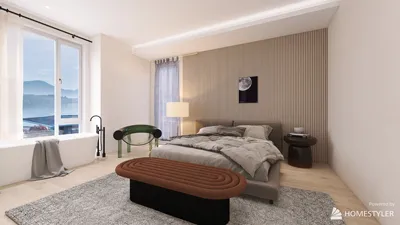


For quite some time, I have viewed the bench as the unsung hero for small spaces. It seamlessly fits into tight corners, enhances storage capabilities, and serves multiple purposes without overwhelming the visual space of a room. In compact living environments, strategically placed benches can liberate useful areas along walls, beneath windows, or at entry points, reclaiming about 8 to 15 square feet of functionality. When designed thoughtfully, benches also contribute positively to posture, lighting, and flow within the room. According to research from Gensler, environments that foster focus and choice lead to increased effectiveness, while Herman Miller highlights that seats designed within a height range of 16 to 18 inches (41 to 46 cm) support comfort through proper knee angles ranging from 90 to 100 degrees. My designs typically adhere to these established guidelines as a standard.
The significance of comfort and wellness cannot be overstated, even within limited spaces. WELL v2 emphasizes the importance of accessible seating and controlling glare; optimal task lighting near benches should be set between 200 to 300 lux for activities such as reading or altering shoes, alongside inviting warm-neutral color temperatures of 3000 to 3500K in living and dining areas to promote relaxation. The Illuminating Engineering Society (IES) advises a balance between vertical and horizontal light to minimize contrasts and shadows, particularly around pathways. For those interested, both WELL (wellcertified.com) and IES (ies.org/standards) provide valuable resources for effective small-space planning.
In the following section, I will outline various bench concepts that I have successfully implemented in studios and compact homes, achieving a harmonious balance between human-centric design, visual appeal, and storage solutions. If you're mapping out a limited floor plan and wish to visualize movement alongside furniture, trying out a room layout tool, such as the one provided by Homestyler, can effectively illustrate bench dimensions, spacing, and sightlines.
1) Window Bench with Concealed Storage
Dead spaces often accumulate along window walls; however, integrating a built-in bench transforms this area. Aim for a seat height of 17 inches (43 cm) and a depth of 16 to 18 inches (41 to 46 cm) for comfortable sitting. If window frames permit, consider adding a 3 to 4-inch (8 to 10 cm) cushion. Opt for a hinged top or push-to-open drawers for storage. In smaller spaces, drawers are easier to navigate than lift-tops, as they don't require extra overhead clearance. It's advisable to select soft-close mechanisms and a ventilated toe-kick (setback of 1 to 1.5 inches) to enhance legroom and ease of cleaning.
2) Narrow Entry Bench with Vertical Storage Solutions
Entries often need organization. Pair a deep bench, measuring 12 to 14 inches (30 to 36 cm), with a wall-mounted rail and shallow shoe drawers (8 to 10 inches deep). Ensure there's a clear path of 36 inches (91 cm) to align with standard circulation comfort and reduce the risk of tripping. Install pegs for coats at a height of 68 to 72 inches (173 to 183 cm). A slim tray beneath the seat can neatly hold keys and mail, with a felt lining to minimize noise and protect surfaces.
3) Floating Bench to Enhance Floor Visibility
When space is at a premium, revealing more floor area can create an impression of greater volume. A wall-mounted bench positioned 17 inches high, with a 2 to 3-inch gap underneath and accent lighting, creates an optical illusion that reduces visual congestion. Use concealed brackets rated to support at least 2.5 times the anticipated load, and be sure to check for adequate blocking in the wall. I prefer matte finishes to soften bright reflections and lessen glare. To improve acoustics, consider upholstery with a wool blend to absorb sounds in hard-surface entry areas.
4) Dining Bench to Optimize Space
Benches positioned at dining tables facilitate more seating in fewer square feet while simplifying movement. Maintain a seat depth of 16 to 17 inches for upright seating and pair it with a table height of 29 to 30 inches. For back support, opt for a low backrest (8 to 10 inches high) so it remains beneath the tabletop for an unobstructed view. A split bench idea may include one fixed side with storage drawers and the other side movable for flexibility. If space is snug for dining nooks, corner banquettes with a 4-inch scooped back cushion can enhance lumbar support without compromising depth.
5) Bedroom Bench at the Foot of the Bed with Hidden Storage
Having a bench at the foot of the bed not only stabilizes the bed frame but also offers a place to sit while dressing. Opt for a bench length that is roughly 75 to 80% of the mattress width and maintain a depth of 16 to 18 inches. Design with rounded edges and soft upholstery to prevent injuries in compact rooms. Hidden fabric bins underneath a slatted shelf can keep off-season clothing dust-free while allowing airflow, which is particularly crucial for fabrics in confined spaces.
6) Media Wall Plinth Bench
In living spaces, a low plinth bench (12 to 14 inches high) can be positioned beneath a TV or shelving, serving as extra seating during social gatherings and daily storage. Incorporate push-latch doors and cable management behind the scenes. A consistent horizontal line can visually organize the wall space and reduce clutter. Ensure that speaker grilles remain unobstructed; perforated metal or acoustic fabric panels can maintain sound quality.
7) Versatile Hallway Bench with Charging Options
Hallways often provide just enough width for a 10 to 12-inch deep ledge bench equipped with concealed power sources. Route cords through grommets and add a flush-mounted USB-C/AC module. Ensure a clear width of 34 to 36 inches for ease of movement. Top the bench with durable surfaces like linoleum or matte HPL to withstand bags and daily wear; both materials are easy to maintain and resistant to minor scratches.
8) Corner Bench for Unique Spaces
Odd corners in a room can transform into cozy reading spots. A triangular or curved bench can minimize sharp angles, providing a softer leading edge. Add side bolsters and a swing-arm sconce for flexible lighting—aim for 200 to 300 lux on reading material while avoiding glare by positioning the light source slightly behind the shoulder. In smaller areas, lighter upholstery colors in warm neutrals (such as beiges or softened greens) can enhance perceived brightness without harsh contrasts.
9) Bench as a Room Divider
Instead of cumbersome shelving units, a bench can effectively delineate spaces between living and dining areas while allowing airflow and sightlines. I utilize a unit height of 16 to 18 inches, complete with open cubbies; this design appears as a streamlined horizontal line organizing the layout. Maintain a distance of at least 12 inches from significant door swings and keep a 30 to 36-inch pathway around it. For modifiable partitions, I recommend benches with locking casters flush with a recessed base.
10) Bench with Integrated Planter
Incorporating biophilic elements can significantly enhance well-being in compact living spaces. Create a lined planting trough behind the bench back to house low-light plants like snake plants or ZZ plants. Use an ABS liner and drainage mats for protection. The greenery not only helps soften sounds but also improves visual comfort; varying plant heights can create an engaging rhythm while not obstructing views.
Material and Finish Guidelines
- Frame: Choose FSC-certified plywood or solid ash/oak with water-based finishes to limit VOC emissions. In smaller areas, the effects of off-gassing can become particularly pronounced; select Greenguard-certified finishes whenever feasible.
- Upholstery: Durable wool blends (breathable and resilient), solution-dyed acrylics for stain resistance, or recycled polyester bouclés offer texture without excess bulk.
- Tops and Facades: Opt for easy-to-clean surfaces like matte HPL, linoleum, or nanotech laminates that resist fingerprints, while warm surfaces like oiled ash require annual maintenance.
- Hardware: Implement full-extension drawer slides and soft-close hinges to minimize noise during nighttime use.
Lighting and Color Considerations
- Lighting Levels: Aim to achieve 200 to 300 lux at benches designated for reading or preparation; 100 to 150 lux is sufficient for ambiance in purely decorative areas.
- Color Temperature: A range of 3000 to 3500K encourages calm yet alert environments within living spaces; cooler temperatures of 3500 to 4000K are better suited for entry task zones when combined with warmer finishes.
- Glare Management: Utilize diffusers or fabric shades, placing fixtures out of direct sightlines. Floating benches can benefit from LED strip toe-kicks outfitted with indirect diffusion.
- Color Psychology: Soft greens and subdued blues foster restorative feelings, while warm beiges and terracotta enhance overall comfort. According to VerywellMind, blues convey stability and tranquility—beneficial in small rooms that may feel visually overwhelmed.
Ergonomics and Space Considerations
- Seat Height: 16 to 18 inches (41 to 46 cm) is suitable for most adults; 17 inches is ideal in multipurpose settings.
- Seat Depth: 16 to 18 inches is appropriate for perch seating; if backs are vertical, consider adding lumbar support cushions.
- Pathway Space: Maintain 30 to 36 inches of clearance around benches; allow for a minimum of 18 inches for tight spaces, though I advise against anything less than 24 inches except in low-traffic areas.
- Edge Radii: Aim for 3 to 10 mm to minimize the risk of injuries, especially in environments with children.
Small-Space Styling Techniques
- Monochrome schemes create an elongated and tranquil feel. Matching the bench color with the wall or flooring cultivates visual cohesion.
- Using legs or reveals can generate shadow lines, reducing perceived weight.
- Layering textures: Combine flat cabinetry finishes with tactile cushions and woven baskets to achieve depth without adding clutter.
- Conceal storage behind touch-latch panels in visible areas; traditional handles can intrude on tight traffic zones.
Planning and Visualization
Before constructing any elements, outline dimensions with painter's tape and create a cardboard model. Test seating comfort using stacked books and cushions. If you're strategizing clearances, furniture dimensions, and sightlines, utilizing a room design visualization tool like Homestyler can facilitate iterations regarding lengths, depths, and cushion thickness for the best fit.
Maintenance and Longevity
- Choose removable zippered cushion covers for easy washing; adding stain-guard treatments can further enhance longevity.
- Ensure proper ventilation for storage bases to avoid musty odors; slotted backs or hidden perforations are effective.
- Select replaceable tops for high-wear benches; a screwed-on wooden slab can be refinished or exchanged as needed.
Case Study Overview
In a 420 square foot studio, I installed a 12-foot floating bench along a window wall featuring three deep drawers and an integrated toe-kick light. This installation replaced two bulky shelves and a chair, creating a clear path of 34 inches. The client enjoyed 20% more seating during gatherings and noted an improved evening wind-down routine thanks to the warm 3000K lighting and softened visual landscape. The bench also served as a plant display, bringing nature to the peripheral areas without cluttering the floor space.
Frequently Asked Questions
For optimal comfort, aim for a seat height of 17 inches and a depth between 16 to 18 inches. If the backrest is upright, consider including a lumbar cushion of 3 to 4 inches to maintain a gentle S-curve in the spine.
For everyday movement, keep a clearance of 30 to 36 inches. In low-traffic areas, a clearance of 24 to 28 inches may suffice, but avoid reducing it below 18 inches for access behind backs against walls.
Opt for drawers since they allow easy access without needing to shift cushions and require less vertical headroom. Full-extension slides allow complete utilization of the back drawer space.
Indeed. A bench provides more seating in a shorter footprint. Maintain a height of 17 inches and a depth of 16 to 17 inches, paired with a table height of 29 to 30 inches for sufficient knee clearance.
Consider finishes like matte HPL or linoleum for their durability and cleaning ease, use wool-blend upholstery for sound absorption and longevity, and choose water-based finishes for their low VOC characteristics.
For lighting, combine a shielded sconce with LED at 3000 to 3500K, placing it slightly behind shoulder level. Target 200 to 300 lux over the seating surface and install a dimmer for flexibility.
Yes, provided you secure them to blocking or studs and employ rated concealed brackets. Ensure spans are reasonable—add hidden supports every 36 to 48 inches based on expected load.
Utilize low-contrast palettes, matching the bench to the wall or flooring, while adding texture with cushions. Soft greens, muted blues, and warm beiges promote calmness and spaciousness.
Incorporate a concealed power module with cord management routed through the wall cavity. Include a cable chase and soft-close doors to hide devices while charging.
To prevent musty odors, use ventilated storage bases and breathable bins. Incorporate cedar inserts for additional odor control, ensuring a small breathing gap behind cabinetry to prevent condensation buildup.

Vintage Distressed Solid Wood Storage Cabinet 3D Model

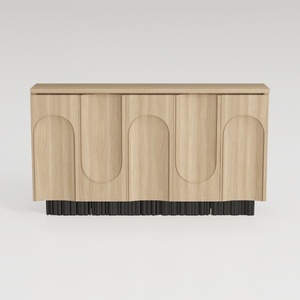
Minimalist Solid Oak Wood Sideboard with Fluted Black Base 3D Model
Discover your home’s potential with Homestyler! This user-friendly platform boasts an intuitive online design tool, stunning 3D renderings, and a plethora of design projects. Plus, its handy video tutorials empower you to create your dream space, regardless of your experience level.
Zaprojektuj teraz za darmo
































