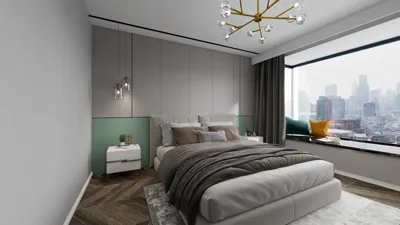


I've crafted numerous compact dining areas and open-concept kitchens where a bar table serves as a lively centerpiece. A thoughtfully selected bar-height table, generally measuring 40–42 inches, not only optimizes space but also enhances the overall atmosphere of the room. When done correctly, it positively affects posture, visibility, and movement—which are essential in smaller homes and versatile living spaces. Leveraging Homestyler can help visualize these designs effectively.
Two guiding design principles influence my methodology. Firstly, the WELL v2 guidelines advocate for tunable lighting in the 3000–6000K range and glare management to enhance alertness and comfort in dining and social settings. This emphasizes the need for indirect and task lighting layers to minimize visual contrast. Secondly, research from Steelcase shows that flexible, hospitality-inspired environments enhance engagement and comfort in shared spaces, supporting the argument for adjustable seating and standing-height tables. I ensure that lighting, materials, and seating arrangements adhere to these standards for more inviting dining experiences. For additional insights, consider exploring the WELL Building Standard (v2) resources available online.
Dimensions and clearances are equally important as design aesthetics. I recommend allowing 24–26 inches of width per stool for comfortable dining and aim for a knee clearance of 10–12 inches under the tabletop. Footrests should be positioned 8–9 inches from the ground to combat lower leg fatigue. I also ensure the ambient lighting is set around 20–30 footcandles at the table for dining, with dimmable features; if you anticipate some work being done here, I add local task lighting to achieve 30–50 footcandles, in line with IES recommendations accessible via IES standards.
Bar-Height vs. Counter-Height: Choosing the Optimal Elevation
Bar height (40–42 inches) promotes a casual, dynamic atmosphere ideal for social gatherings. In contrast, counter height (34–36 inches) harmonizes with kitchen counters and suits multipurpose environments where children study or guests linger. I opt for bar height when I require a visual barrier between kitchen clutter and dining, while choosing counter height when a seamless transition with kitchen activities is desired.
Understanding proportions, circulation, and seating spacing is essential.
Prioritizing movement flow is more significant than sheer space. I recommend maintaining 36–42 inches of circulation around the bar table whenever feasible. For tighter spaces, a 16–18 inch deep wall-mounted bar ledge accompanied by backless stools can efficiently preserve aisle width. If you are exploring layout options, a room layout simulation is invaluable—tools like Homestyler can effectively help visualize stool placements, knee clearance, and access paths.
Functional Forms: From Compact Ledges to Transformable Islands
- Slim wall bar: A solid wood or stone slab measuring 12–16 inches deep with concealed brackets, matched with 12-inch deep stools for tight spaces.
- Fold-down console: Hinged tops that can drop flat against the wall, perfect for micro-apartments or high-traffic corridors.
- Waterfall island end: An extension of the kitchen island topped with a raised bar to differentiate food prep from dining while showcasing a smooth waterfall edge.
- Two-tier peninsula: A counter-height preparation area with a 6–8 inch elevation to bar height for serving purposes.
- Round pedestal: A 30–36 inch round table at bar height helps ease circulation in small square rooms.
Material Selection: Durable, Sensory, and Simple to Maintain
- Tabletops: Options like quartz and sintered stone resist stains and heat, while oiled ash or walnut adds a cozy touch but requires upkeep. Choose matte or honed finishes for a luxurious appearance without glare.
- Table bases: Powder-coated steel provides durability and a streamlined look; solid wood bases introduce warmth and sound absorption.
- Edges: A soft chamfer or 3 mm radius reduces forearm strain; it's advisable to avoid sharp square edges on bar-height surfaces.
- Eco-Friendly Choices: FSC-certified woods and low-VOC finishes contribute to cleaner indoor air quality, in harmony with human-centric standards highlighted by WELL.
Color Psychology in Dining Spaces
For the table base, I favor muted warm neutrals while introducing vibrant hues through bar stools and wall decorations. Subtle shades of red and terracotta can invigorate appetite and conversation, whereas desaturated greens create a calming effect that helps diminish visual fatigue. If the lighting appears cool during the day, a walnut tabletop with brass accents can help balance the visual temperature. It's beneficial to keep bold colors to movable elements so the main table design remains timeless.
Layered Lighting: Pendants, Glare Control, and Dimming Options
- Pendant Lights: Hang them 28–34 inches above the bar surface. Use shades equipped with diffusers to minimize glare on reflective surfaces.
- Ambient Lighting: Wall sconces or LED strips on adjacent shelves can add soft lighting to ease harsh contrasts on faces.
- Dimming Controls: A 1–10V or phase-dim setup allows flexibility to transition the dining ambience from casual weeknight meals to more vibrant weekend gatherings without causing fatigue.
- Light Color Temperature: Keep the light at 2700–3000K for a warm dining atmosphere, ensuring a CRI of 90+ for accurately rendering food and wood tones.
Ergonomics: Stools Designed for Engaging Conversations
Although backless stools can save space, I prefer low-back or mid-back designs for meals longer than 30 minutes. The ideal seat height is 28–30 inches for a 40–42 inch bar, while maintaining that 10–12 inch knee clearance. Look for footrests and a waterfall seat edge to enhance comfort. Upholstered seats made from performance fabric also offer sound absorption and comfort without being overly bulky.
Acoustic Considerations in Open Spaces with Hard Surfaces
Bar tables frequently find their place in open kitchens with hard floors and stone surfaces. To mitigate echo, I incorporate various elements such as fabric stools, a soft rug (when circulation space allows), fluted wooden wall panels, and felt-lined art frames. Using fabric or cork for pendant shades can also reduce overhead reflections. Targeting a reverberation time of approximately 0.4–0.6 seconds for small dining areas ensures clear conversations without the space feeling too stark.
Creative Storage Solutions: Drawers, Rails, and Integrated Power Options
- Apron-style Drawers: Slim drawers in a wooden bar table for storing napkins and coasters.
- Rail System: Rails beneath the tabletop for hooks and slim baskets.
- Power Options: A recessed power grommet with USB-C underneath the bar can transform it into a convenient workspace.
- Stemware Slots: Routed channels underneath a raised bar allow for easy access to glassware while maintaining surface space.
Small Space Solutions That Make a Big Impact
- Mirror the wall opposite the bar to visually enhance depth.
- Opt for a pedestal base to maximize foot space and accommodate stools comfortably.
- Mix stool designs (two with backs, one backless) to reduce visual bulkiness.
- Position the bar table in alignment with window frames or wall paneling to create a cohesive architectural look rather than appearing as an afterthought.
Designing Transitional and Open-Plan Areas
In open layouts, a raised bar can indicate different zones without requiring heavy partitions. I maintain alignment of the bar's longer edge parallel to the main traffic flow, preserving 42 inches of clearance for movement. If the dining area is constrained, a wall-mounted ledge opposite the kitchen works well, with stools oriented at a 90-degree angle to protect the pathway. Utilizing a quick interior layout planner can aid in testing different configurations before making a decision, such as the one available with Homestyler.
Style Varieties: From Minimalist to Rustic Options to Consider
- Minimalist: Featuring a black powder-coated frame, sleek oak top, and linen drum pendant lights for a clean look.
- Mid-century: A walnut surface with well-defined edges, paired with tapered stools and opal globe lighting.
- Rustic Modern: Rough-sawn oak paired with a matte finish, steel footrest, and seeded glass pendant lights creates a warm atmosphere.
- Luxurious: Incorporating a honed marble top with a brass base, velvet stools, and dim-to-warm LED lighting for a sophisticated experience.
Installation and Safety Guidelines
Ensure wall-mounted ledges are anchored securely into studs or utilize structural brackets that meet the required load. For standalone tables, select adjustable glides to stabilize them on uneven surfaces, while considering an integrated stretcher for added lateral strength. It's important to ensure that footrests can withstand regular use as they are instinctively stepped on by users.
Maintenance and Sustainability for Longevity
Choose finishes that match your lifestyle needs: stain-resistant quartz for families, or oil-finished wood for those who appreciate a developing patina. Employ coasters, use felt pads beneath decor, and opt for microfiber cloths for daily cleaning. Regular dusting of lighting diffusers maintains consistent brightness and reduces glare.
The Big Picture: Bringing Elements Together
Begin with selecting the proper height and clearances, then choose a tactile top, comfortable seating, and adjustable, glare-free lighting. Clearly define circulation paths, soften acoustics, and incorporate storage options to keep surfaces clutter-free for dining. With attention to proportions and a touch of clean design, a bar table can transform into the most efficient use of space in the room, allowing for gatherings and meals to flourish.
Frequently Asked Questions
A 30–36 inch round bar table with a pedestal base is quite space-efficient. Reserve 36 inches of clearance around it if possible; in smaller rooms, 30 inches can suffice if traffic is minimal.
Standard bar height ranges from 40–42 inches. Pair this with stools 28–30 inches in height to ensure a knee clearance of 10–12 inches.
Plan for 24–26 inches of width per stool for optimal dining comfort. A 60-inch bar table typically seats two comfortably; while a 72-inch table accommodates three in most cases.
Utilize dimmable pendant lights with diffusers positioned 28–34 inches above the bar surface. Maintain warm lighting in the 2700–3000K range with a CRI of 90+ to ensure accurate color rendering for food and finishes while reducing glare.
Although they can maximize space and be conveniently tucked away, for meals extending beyond 30 minutes, stools with low-back or mid-back support featuring footrests and waterfall edges enhance comfort.
Incorporate soft finishes such as upholstered stools, low-pile rugs, fabric pendant shades, and textured wall treatments. These elements help reduce sound reflections and keep conversations clear within the space.
Materials like quartz and sintered stone are stain and heat-resistant, while sealed oak or walnut offer a warm touch with required maintenance. Choosing matte or honed finishes can minimize the visibility of fingerprints and glare.
Absolutely. Incorporate discreet power grommets with USB-C beneath the tabletop, ensuring task lighting can reach levels between 30–50 footcandles, and select supportive stools for enhanced posture.
Counter height (34–36 inches) integrates more smoothly with kitchen counters and is ideal for various tasks involving children. Bar height offers a visual barrier and a more sociable stance for adult interactions.
Carefully measure room clearances, mark out table footprints, and test stool spacing. If possible, use a room design visualization tool like Homestyler to simulate various traffic patterns and sightlines.
A subtle radius or small chamfer can alleviate forearm strain and prevent chipping. Avoid sharp square edges on bar-height surfaces.
I recommend using warm neutrals complemented by hints of terracotta or muted reds to enhance conversation, while softer greens can create a tranquil atmosphere. Reserve bold colors for movable items like stools.
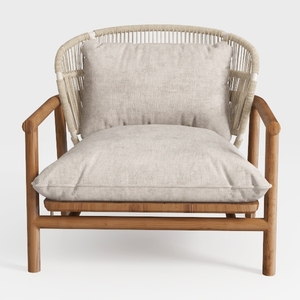
ANJ Modern Arm Chair, Mid-Century Modern Accent Ch

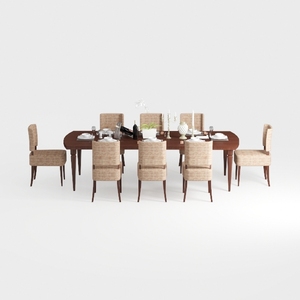
COLAMY Upholstered Parsons Dining Chairs Set of 4
Homestyler is your go-to online platform for home design! With an easy-to-use design tool, stunning 3D renderings, inspiring design projects, and helpful DIY video tutorials, you can effortlessly transform your home visions into reality. Perfect for everyone, from beginners to seasoned designers!
تصميم الآن مجانا
































