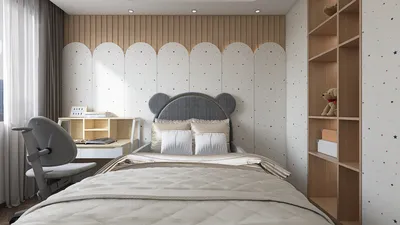


Having sized and placed numerous air conditioning units for small apartments, home offices, and studio spaces around 400 sq ft, I can attest that optimal performance begins with precise load calculations, unobstructed airflow, and quiet functionality. In a standard 400 sq ft area with 8–9 ft ceilings that feature solid insulation and moderate sunlight exposure, the ideal BTU range typically falls between 8,000 and 10,000 (approximately 2.3–2.9 kW). Research from Gensler highlights a connection between thermal comfort and productivity enhancements, while studies by Steelcase reveal that maintaining stable temperatures can decrease cognitive fatigue—thus, achieving the right unit capacity is not just a preference; it’s vital for performance (refer to gensler.com/research and steelcase.com/research for detailed findings).
The WELL Building Standard (WELL v2) prioritizes thermal comfort, humidity management (preferably between 30–60%), and acoustic quality to foster occupant health. For mixed-use rooms, I target a relative humidity of 40–55% and temperatures between 72–76°F (22–24°C), ensuring sound levels stay below NC-35 for work environments. Recommendations from the Illuminating Engineering Society (IES) provide insight into aligning lighting heat outputs with cooling needs—task lighting at 300–500 lux can generate additional heat that your AC system will need to counterbalance. Adhering to these standards avoids issues related to oversizing (like short cycling and humidity problems) or undersizing (resulting in temperature fluctuations and noisy high fan operation).
Optimally Sizing a 400 sq ft Space
To start, use the room area multiplied by 20¬–25 BTU as a quick approximation: for a 400 sq ft room, this means 8,000–10,000 BTU. Next, make adjustments based on specific conditions: add 10–20% for extensive west/south-facing windows, an additional 10% for high occupancy (regularly 3–4 individuals), and reduce by 10% if the area is well-shaded and effectively insulated. For spaces with ceilings higher than 9 ft or expansive adjacent areas, consider increasing the capacity by 10–15%. Additionally, if the room contains heat-producing electronics like gaming consoles or servers, factor in an extra 600–800 BTU per active unit during peak use.
Preferred Air Conditioning Systems for 400 sq ft
I categorize options into four groups according to their durability, noise levels, and efficiency:
Thermal Comfort Goals and Management
In multifunctional spaces, I strive for temperatures of 72–74°F (22–23°C) during daytime hours, shifting to 74–76°F (23–24°C) at night when activity levels decrease. Keeping relative humidity between 40–55% helps mitigate discomfort and preserve interior finishes. The thermal comfort principles in WELL v2 support this temperature range for overall wellness. Implementing smart thermostats or mini-split controls featuring staged deadbands (±1°F) helps to reduce noticeable temperature changes that may be perceived as drafts.
Acoustic Quality, Sound Levels, and Restful Sleep
Acoustic comfort often plays a crucial role in decision-making. Aim to maintain steady-state noise levels below NC-35 for work settings and below NC-30 for bedrooms. Mini-split systems generally excel in this aspect, with internal units registering around 26 dB(A) at their lowest settings. Window units may present more variability: opt for inverter models equipped with brushless DC fans and features like sleep mode, and ensure they have vibration-isolated structures. Avoid positioning the unit directly across from reflective surfaces; introducing a fabric panel or bookshelf can help mitigate echo effects.
Airflow Management and Installation
Effective air distribution and return pathways are essential for optimal comfort. Position a wall cassette so that the air supply moves along the ceiling and cascades down the far wall—this strategy evens out stratification and minimizes drafts. With window units, ideally center them along the longest wall and tilt the louvers to direct airflow towards the ceiling. Ensure there is a 36-inch clearance in front of the coil face, and avoid confining portable units to corner spaces. If you are experimenting with different layouts, utilizing an interior layout planner, such as the Homestyler tool, can assist in visualizing airflows and furniture arrangements.
Energy Efficiency: Essential Considerations
Humidity Management and Indoor Air Quality (IAQ)
In areas with high humidity, managing latent load is just as crucial as maintaining sensible capacity. For mixed-use settings, aim for a sensible heat ratio (SHR) of approximately 0.70–0.80. Inverter systems can naturally adjust to remove moisture longer at lower coil temperatures. Use standalone dehumidifiers only if relative humidity frequently exceeds 60% without significant sensible load during transitional seasons. Tight source control is critical: seal any window leaks, employ exhaust vents in kitchens and bathrooms, and clean filters monthly during peak periods.
Color Schemes, Lighting, and Perceptual Coolness
The psychology of color subtly influences perceived temperature. Cooler tones, such as blue-greens, can create an impression of a room feeling 1–2°F cooler, while high correlated color temperatures (CCT) between 4000–5000K enhance focus but may introduce glare. Aim for task lighting levels around 300–500 lux and incorporate diffusers to manage hotspots. While proper BTU sizing is paramount, these considerations support perceived comfort and can decrease the tendency to overcool.
My Recommendations for a 400 sq ft Space
Installation and Maintenance Guidelines
Budget Considerations and Durability
Window units range from $250 to $500 for the hardware alone, with a straightforward DIY installation and an average lifespan of 5–8 years. Mini-splits typically cost between $1,800 and $4,000 installed for a single-zone 9k BTU (costs may vary by location), with a lifespan of 12–15 years when properly maintained. Take energy savings into account; high-SEER2 mini-splits can often offset their initial costs within 3–6 cooling seasons in frequently used rooms.
Frequently Asked Questions
Most rooms of around 400 sq ft perform effectively with 8,000–10,000 BTU units. Adjust this figure by ±10–20% depending on factors like sunlight exposure, ceiling height, occupancy levels, and heating equipment.
Typically, a 9k BTU inverter mini-split is among the quietest options available, with indoor sound levels ranging from approximately 19–26 dB(A) on the low setting. Inverter window ACs can be similar, though it’s important to confirm specifications and customer noise evaluations.
Select an inverter system that can operate on long, low-speed cycles to efficiently extract moisture. Keep humidity levels between 40–55%. In extremely humid areas, consider supplementing with a dedicated dehumidifier during transitional seasons.
Yes, dual-hose portable units with a SACC of 8,000–10,000 BTU are strongly recommended. However, expect elevated noise levels and energy usage compared to window or mini-split units.
Position the supply air to flow along the ceiling towards the opposite wall, ensuring it does not blow directly onto seating or beds, while maintaining a 36-inch space in front. Utilize an interior layout planner, like the Homestyler tool, to simulate airflow paths integrated with your furniture arrangement.
For task-focused work, maintaining temperature between 72–74°F (22–23°C) and relative humidity at 40–50% is optimal. Research conducted by Gensler and Steelcase links thermal stability to enhanced cognitive performance.
For mini-split systems, focus on checking SEER2 and HSPF2 ratings (for heating). When evaluating window units, check CEER ratings. Higher values indicate greater efficiency—target a SEER2 of 20 or above, and a CEER of 11 or higher for a 400 sq ft area.
Task lighting within the range of 300–500 lux contributes additional sensible heat; utilizing LEDs aids in maintaining lower thermal loads. Cooler color palettes and 4000K lighting can create a thermally "lighter" ambiance, reducing the instinct to overcool.
It is advisable to avoid oversized units. They can lead to short-cycling, diminishing dehumidification efficiency, and creating temperature variations. A correctly sized inverter system cools rapidly while ensuring consistent humidity levels.
Maintaining clean, well-rated filters is essential. Some mini-splits provide advanced filtration options; however, effective source control alongside regular maintenance is crucial for ensuring consistent IAQ.
Window AC units can be priced between $250–$500, while a mini-split configured for single-zone operation ranges from $1,800 to $4,000 installed, offering reduced operational costs and an extended lifespan. Make sure to include annual servicing in your budget plan.
Yes—features such as geofencing, scheduling, and gradual setpoint adjustments enhance comfort and optimize energy use by preventing excessive cooling in unoccupied spaces.
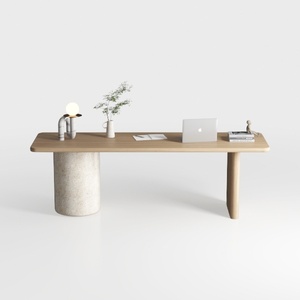
LITTLE TREE 62-Inch Home Office Computer Desk, Lar
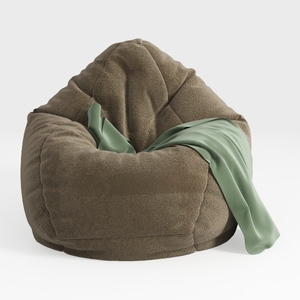
Furniliving Bean Bag Chair, Giant Bean Bag Chair


Hymus 100% Solid Oak Wood Desk - Small Writing Des
Discover the ease of home design with Homestyler! This online platform offers a user-friendly design tool, stunning 3D renderings, an extensive collection of design projects, and helpful DIY video tutorials. Transform your living space into a reflection of your style effortlessly!
Дизайн сейчас бесплатно
































