

Selecting the appropriate AC tonnage for any space involves more than a mere correlation between the numerical value and the area in square feet. I assess various heat load influencers such as orientation, window glazing, occupancy levels, equipment usage, and the effectiveness of the building envelope prior to suggesting a specific tonnage. The aim is to achieve optimal cooling, maintain healthy humidity levels, and ensure efficient energy consumption. If the unit is too small, you may experience hot spots and excessive wear on components; whereas an oversized unit can lead to frequent cycling, damp air, and unnecessary energy waste.
Creating a comfortable environment is closely linked to indoor air quality standards. The WELL v2 framework indicates that maintaining appropriate thermal comfort and humidity levels is vital for the well-being of occupants. Ideal indoor ranges typically fall between 40–60% RH and air temperatures of approximately 22–26°C, which can vary depending on the activity and season. Research from Steelcase emphasizes that environmental comfort significantly influences productivity and cognitive function in professional settings, underscoring the importance of accurate HVAC sizing. You can discover more about WELL principles at WELL v2.
Understanding the Relationship Between AC Tonnage and Room Size
One ton of air conditioning corresponds to about 12,000 BTU per hour. For typical residential areas equipped with average insulation and standard internal loads, a good initial estimate is between 18–30 BTU per square foot. This can then be fine-tuned based on various factors such as climate, window glazing, occupancy, and utility equipment. In warmer and more humid climates or spaces with extensive west-facing glass, you should consider the higher end of this spectrum, while well-insulated and shaded areas can operate sufficiently at the lower end. I start by measuring square footage and then modify the BTU requirements according to actual conditions.
Quick Calculation Guide (From BTU to Tons)
1) Measure the net conditioned area by multiplying length by width and factoring in the ceiling height. Standard calculations typically assume 8–9-foot ceilings; if the ceiling exceeds 10 feet, consider increasing the BTU by 5–10%.
2) Begin with a base of 20–25 BTU per square foot for average residential structures or 25–30 BTU per square foot for areas in hot-humid or high-solar-gain conditions.
3) Make the following adjustments:
- +10% for large single-pane windows facing west or south; +5% for double-pane, low-E glass can mitigate this adjustment.
- +3–5% for each additional regular occupant past two individuals.
- +3–8% for heat-emitting devices (computers, AV equipment, lighting exceeding 1.0 W/ft²).
- +10–15% for kitchens due to added cooking heat.
4) Translate the total BTU into tons by calculating Tons = BTU ÷ 12,000.
5) Choose the closest available system size, with a preference for variable-speed or inverter technologies to accommodate fluctuations in load without short cycling.
Comparison Example: Standard Bedroom vs. Kitchen
For a Bedroom sized at 12 ft × 14 ft, resulting in 168 ft² located in a temperate climate with decent insulation and two occupants, the basic calculation calls for 22 BTU/ft², which calculates to 3,696 BTU. Adding 5% for occupancy adjustments results in an approximate requirement of 3,880 BTU. A mini-split of 0.33 ton (about 4,000 BTU) would be adequate; however, if occurrences of high ceilings at 10 ft and afternoon sun are present, a bump to ~0.5 ton would be advisable.
For a Kitchen sized at 12 ft × 12 ft (144 ft²) utilizing cooking devices and equipped with a south-facing window, the base would begin at 25 BTU/ft², resulting in 3,600 BTU. Adding 12% for cooking and 5% for solar heat gains adjusts the total to around 4,248 BTU, suggesting that a 0.5 ton unit may be preferable, or consider a shared zone equipped with demand-based control measures.
Influence of Climate and Orientation
The orientation of a building and its local climate significantly impact both solar and latent heat loads. In regions characterized by hot and humid climates, attention must be given to managing moisture (latent load), ensuring that the system's capacity meets this demand without oversizing the sensible cooling capability. I advocate for equipment that includes effective dehumidification features and variable airflow to maintain relative humidity levels between 40–60%, in line with WELL guidelines. The choice of glazing (such as low-E and double-pane) along with the use of shading elements can notably reduce the necessary BTU output.
Ceiling Height, Volume, and Airflow Distribution
Spaces with larger volumes require increased capacity and more sophisticated air distribution. Warm air buildup at the ceiling (stratification) can be managed by utilizing ducted supplies with the correct throw distances or adjusting mini-split heads to cover the inhabited zones effectively. If you’re testing out furniture placement and airflow dynamics, employing a simple room layout tool can help visualize airflow trajectories, return placements, and overall circulation.
Humidity Control and Latent Load Consideration
Comfort is not solely determined by temperature. While oversized systems may initially cool the air quickly, they often struggle to deflect moisture, resulting in elevated humidity levels and discomfort for occupants. To ensure effective management of humidity, target longer operational cycles with variable-speed compressors to efficiently draw out latent heat. Areas such as kitchens, laundries, and bathrooms can exhibit humidity surges—consider zoned regulation or specialized ventilation for these environments.
Insulation Quality, Tight Envelopes, and Window Efficiency
Enhancing insulation with better R-values and sealing building envelopes tightly can significantly diminish both heat gain and loss, lowering BTU requirements overall. Windows frequently present the greatest variability in these calculations. Single-pane or expansive unshaded windows in sunlit orientations can sharply elevate cooling load requirements. Implementing low-E glass coatings, deploying interior shades, and utilizing external shading elements (like overhangs and fins) can markedly reduce solar heat gain, allowing for tonnage to remain closer to the lower end of the scale for BTU per square foot.
Occupancy Levels and Internal Equipment Loads
The presence of people, electronics, and lighting contributes to both sensible and latent heat loads encountered. A home office optimized with dual-monitor setups and bright lighting will demand a higher capacity compared to a quiet reading nook. Research from Steelcase consistently indicates that managing both thermal and visual comfort in workplace settings enhances focus and decreases fatigue; a similar approach applies within the home: accurately sizing the HVAC system and utilizing efficient, dimmable lighting can help lower unnecessary stress on the system
Recognizing the Dangers of Oversizing
While it may be tempting to opt for larger systems, doing so is rarely the best choice. Systems that are oversized often experience short cycling, which results in increased energy expenses, inadequate dehumidification, and potentially decreased equipment lifespan. Ensuring correct sizing in tandem with effective duct designs (or meticulously positioned mini-split heads) promotes uniform temperature distribution, quieter operation, and enhanced indoor air quality. When in doubt, favor inverter-driven systems which excel at modulating their output to maintain optimal conditions.
Tonnage Quick Reference Chart (Approximate)
- 0.5 ton (~6,000 BTU): Ideal for small bedrooms or compact offices under ~200 ft² with solid insulation.
- 1.0 ton (~12,000 BTU): Suitable for medium rooms ~200–450 ft², under average climatic and operational conditions.
- 1.5 ton (~18,000 BTU): Designed for larger living areas ~450–700 ft², where higher occupancy is expected or with significant solar gain.
- 2.0 ton (~24,000 BTU): Appropriate for open-plan spaces ~700–1,000 ft², especially in high ceilings or warm-humid areas.
Make adjustments above or below these estimates based on the outlined criteria, as they provide a foundation rather than rigid rules.
Quick Step-by-Step Sizing Guide
- First, calculate the area in square feet (ft²) and take the ceiling height into account.
- Determine a base BTU/ft² (20–30) reflecting climate characteristics and insulation quality.
- Apply percentage growth modifications for windows, occupancy, equipment, and areas prone to latent heat.
- Convert BTU figures into tons by dividing by 12,000.
- Match the calculated totals to available system capacities—prioritize variable-speed options when feasible.
- Assess the airflow dynamics and distribution to ensure a balanced supply and return throughout the space.
Lighting Color and Thermal Perception
The perceived temperature in a room is influenced by lighting and color choices. Warmer color temperatures (between 2700–3000K) can impart greater coziness, potentially making the space feel warmer; conversely, cooler colors (4000–5000K) tend to create a fresher atmosphere, possibly encouraging less reliance on excessive cooling. Research in the realm of color psychology suggests that cooler shades, such as blues and greens, can impart a sense of freshness, subtly reducing the need to overcool. Incorporate light fixtures that minimize glare and provide balanced illumination to mitigate additional heating.
Noise Comfort and Equipment Placement
Systems operating quietly and maintaining steady temperatures for longer duration are typically perceived as more comfortable. It’s advisable to avoid positioning indoor units so that airflow directly impacts occupants. Maintaining soft airflow throw in bedrooms is beneficial, and high fan speeds should be minimized during nighttime. Utilizing sealed ductwork and ensuring well-insulated lines can curtail excess noise and thermal loss.
Focus on Sustainability and Lifecycle Efficiency
Ensuring properly sized systems can enhance energy savings with every hour of operation. Coupling them with high-efficiency filters, smart thermostats, and routine maintenance can help sustain performance quality. Selecting materials, such as low-E glass, reflective roofing, and insulated drapery, contributes to long-term thermal stability, potentially allowing for smaller tonnage solutions without sacrificing comfort levels.
Frequently Asked Questions
For standard residential environments, starting with 20–25 BTU/ft² is a manageable guideline, while 25–30 BTU/ft² is appropriate for hotter, more humid spaces or areas facing significant solar gain. Adjustments should always be made for glazing types, occupancy dynamics, and equipment presence.
Often, yes. If the envelope performs well and solar gain is controlled, you might estimate the capacity for a 300 ft² area using 22 BTU/ft² to arrive at approximately 6,600 BTU (around 0.55 ton). However, with increased loads, such as in hot-humid climates or rooms facing west, you might need to approach 1 ton.
Certainly. Higher ceilings can lead to an increase in air volume requirements and may necessitate a 5–10% increase in BTU capacity. Pay attention to airflow design to alleviate potential stratification issues.
To compensate for the effects of strong solar exposure, increase BTU requirements by 5–10% for double-pane low-E glass, while for single-pane or expansive unshaded windows, 10% or more may be warranted, particularly for south or west-facing orientations.
Not necessarily. Oversizing leads to short cycling, which adversely affects moisture removal. Variable-speed systems tend to achieve better dehumidification results over longer cycles.
The sensible load relates to changing air temperature, while latent load pertains to moisture extraction. In hot-humid climates, latent loads can be substantial, making it vital to choose systems that address both kinds of loads effectively.
Indeed, these systems can adjust their capacity to accommodate real-time load variations, which improves occupant comfort, humidity management, and overall energy efficiency while minimizing short cycling.
Absolutely. Poor duct design can compel a system to operate at greater capacities to mitigate distribution losses. It is key to seal, insulate, and balance ductwork accurately; proper placement of vents may allow smaller tonnage units to provide superior comfort.
High-output or inefficient lighting can lead to excessive heat gain. It's beneficial to utilize more efficient, dimmable lighting solutions that possess appropriate color temperatures to reduce internal heat contributions while enhancing perceived comfort.
Certainly. Improved insulation values and better-sealed building envelopes can dramatically reduce the heat gain/loss, frequently allowing for smaller systems without compromising comfort.

Pemberly Row Modern Fabric Upholstered Full Platfo
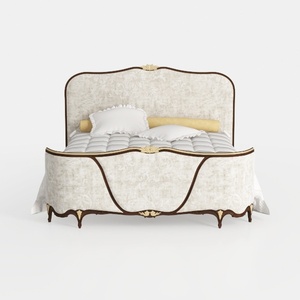

Hooker Furniture Sanctuary Tufted Queen Fabric Uph
Homestyler is your go-to online home design platform! With its user-friendly design tool, stunning 3D renderings, and a rich collection of design projects, you can easily visualize your ideas. Plus, the DIY video tutorials inspire creativity, making home design fun and accessible for everyone!
Concevez maintenant gratuitement
































