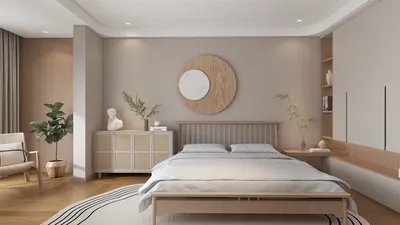


In the realm of interior design, the concept of rhythm is essential for crafting spaces that evoke feelings and achieve balance. One particularly fascinating principle within this field is the notion of opposition rhythm. This design strategy incorporates contrasting features to establish a visual flow that captures attention and stimulates thought. By harmonizing opposing elements, designers can create environments that are both energetic and cohesive. For instance, the combination of contemporary furniture with vintage decor sparks an engaging dialogue between the past and the present, highlighting the beauty found in contrast. This approach not only enhances the depth of a room but also invites curiosity and interaction. When utilizing opposition rhythm, it's important to pay attention to the scale and proportion of each component. Large, bold furnishings can be beautifully complemented by smaller, intricate accents, ensuring the space remains balanced and welcoming. Textures are another vital aspect of this rhythm; picture a luxurious velvet sofa placed alongside a sleek glass coffee table. The interaction of varied materials can elevate the overall aesthetic, encouraging touch and engagement. Additionally, contrasting colors play a significant role in achieving opposition rhythm. A color palette that combines warm and cool tones can create an invigorating ambiance. For example, pairing rich navy walls with bright yellow accents can enliven a space, resulting in a lively yet refined atmosphere. This equilibrium fosters movement within the room and can even affect the mood of those who inhabit it. Lighting is also crucial in realizing opposition rhythm. Blending natural light with artificial sources can produce layers of illumination that accentuate the contrasting elements of the design. Soft, diffused lighting can soften sharp edges, while focused beams can highlight specific features. To successfully apply opposition rhythm, designers must be aware of the overarching narrative they wish to express. Each contrasting feature should have a purpose, adding to the story of the space without overwhelming the observer. This thoughtful selection of elements allows the opposition rhythm to shine, resulting in a harmonious yet dynamic environment. Ultimately, embracing opposition rhythm in interior design fosters creativity and exploration. It encourages homeowners to think innovatively about how various elements can coexist within a single space. Whether through color, texture, scale, or lighting, these contrasts can yield stunning outcomes that resonate with the essence of design. As you embark on your design journey, consider how you can integrate opposition rhythm into your own spaces using tools like Homestyler. Experiment with diverse elements and observe their interactions. The beauty of interior design lies not only in the individual pieces but in the relationships they form. Embrace the contrasts, and you may uncover a new level of creativity in your designs!
Tips 1:
Begin with a clear vision of the ambiance you wish to create, then experiment with contrasting elements to find what resonates best with you.
FAQ
Homestyler's roots trace back to Autodesk, the global leader in design and engineering software. That heritage lives on in every feature we build. Today, with a community of more than 18 million users worldwide, Homestyler continues to make professional-quality interior design accessible to everyone — from first-time decorators to seasoned architects.
Welcome to Homestyler!
Concevez maintenant gratuitement
































