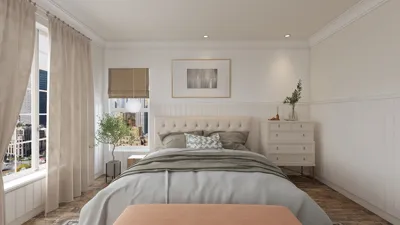


I once persuaded a client to opt for an olive green shade in a small powder room since she desired a ‘forest hug’ sensation each morning. However, we nearly lost natural light due to poor contrast. This experience taught me that selecting the appropriate olive hue along with suitable accents can transform a cramped space into a serene escape. To visualize design plans better before making a final choice on paint, utilizing a 3D mockup with tools such as Homestyler helped us avoid a repainting task.
1. Olive Accent Wall to Enhance a Compact Living Room
I employ a single olive accent wall positioned behind a sofa to foster depth while maintaining openness in the room. The darker background emphasizes the furniture and conceals scuffs, but be cautious of sightlines: opting for lighter furniture or reflective decor keeps the area feeling more spacious.
save pin
2. Two-Tone Walls: Olive Below, Light Above
A half-wall in olive beneath a soft, warm neutral on top presents a grounded yet airy appearance. This approach is budget-friendly since you cover less surface area, but achieving clean cutting lines is crucial—I always advocate for using painter's tape and a steady hand for a precise separation.
save pin
3. Olive Cabinets for a Cozy Kitchen
In a compact kitchen, I previously proposed olive-green cabinets paired with a marble-look countertop; surprisingly, the combination was successful. Olive shades disguise fingerprints better than bright whites and inject personality, but if your kitchen lacks natural light, prefer a softer olive tone and introduce under-cabinet lighting to enhance workflow and brightness.
save pin
4. Spa-like Bathroom: Olive, Brass, and Matte Tiles
Incorporating olive into a bathroom creates a spa-like ambiance, particularly when complemented with warm brass fixtures and textured matte tiles. Visually appealing and water-friendly, it’s essential to note that humidity can expose inconsistencies in paint sheen. Thus, I recommend using a semi-gloss or satin finish along with proper ventilation.
save pin
5. Textured Layers: Olive Walls, Natural Fibers, and Intelligent Lighting
For versatile styling, combine olive walls with jute rugs, linen pillows, and diverse lighting temperatures to adapt the atmosphere from bright mornings to cozy evenings. If you wish to experiment with layouts or quickly generate fresh ideas, using AI design boards can facilitate speedy decision-making—while it isn’t magic, it significantly saves time. Homestyler is a great tool for this.
save pin
FAQ
Q1: What olive shade is most suitable for small spaces?
A: Choose a muted, slightly gray olive to maintain sophistication and avoid saturation. This reduces the green undertone, preventing the room from feeling too closed in.
Q2: Will olive green shrink the appearance of my room?
A: Not if you balance it wisely—use olive as an accent, complement it with warm neutrals, and maximize reflective surfaces to enhance the sense of space.
Q3: What paint finish is ideal for olive shades?
A: Satin or eggshell are best suited for living areas due to their durability and subtle sheen; bathrooms benefit from a semi-gloss finish for moisture resistance.
Q4: Does olive green pair well with brass elements?
A: Certainly; warm metals like brass accentuate the golden undertones of olive and foster a luxurious, cozy atmosphere when utilized in lighting and hardware.
Q5: How can I test olive paint options before finalizing?
A: Paint large swatches on various walls and monitor them throughout the day; alternatively, digital mockups can be utilized to test layouts prior to purchasing paint.
Q6: Is olive green a trendy choice or a timeless one?
A: Olive stands at the intersection of trendy and timeless—its natural and versatile qualities make it a mainstay for designers. For insights regarding historical palettes and green hues, resources like Sherwin-Williams provide valuable context.
Q7: Can I incorporate olive in a child’s bedroom?
A: Absolutely—combine a gentle olive shade with playful textiles and brighter accents to keep the room vibrant instead of somber.
Q8: Any cost-effective tips for using olive green?
A: Begin with smaller projects: paint an accent wall, refresh cabinet fronts, or change textiles before committing to a complete repaint. These minor updates can yield significant visual impact without the need for substantial investment.
save pin
Homestyler is your go-to online home design platform! With its user-friendly design tool, stunning 3D renderings, and a wealth of DIY video tutorials, you can effortlessly create and visualize your dream space. Perfect for both beginners and seasoned designers!
Design jetzt kostenlos
































