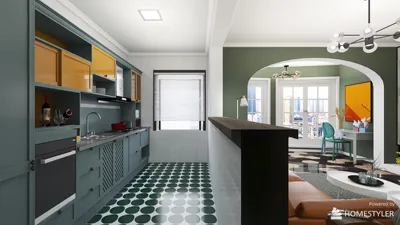


On one occasion, I arrived for a client meeting only to discover that the CEO had transformed the entire office into a vibrant neon fuchsia overnight, claiming it would "energize the team." My following week was consumed with soothing anxious employees and evolving that fuchsia hue into a more intentional accent color, highlighting the significance of strategy in color application – because without a vision, bold colors can end up feeling jarring and unfocused.
I appreciate the constraints that small offices impose, as they often fuel creativity. In this article, I’ll outline five color-inspired strategies I implement while designing workplaces, addressing smart zoning, finishes, and incorporating relatable anecdotes. If you’re contemplating layouts while selecting colors, think about how intelligent zoning can effectively complement your paint choices in the design process using tools like Homestyler.
1. Use color to define zones instead of merely walls
I frequently suggest subtle shifts in color to demarcate different spaces—imagine soft sage greens for tranquil areas and a warm beige for collaborative zones. The benefits are apparent: you create visual markers without constructing physical barriers. However, careful testing under different lighting conditions is essential; otherwise, these transitions may feel random and disconnected.
Pro tip: apply a 2x3 sample on walls and observe them in natural light as well as under fluorescent illumination before making any commitments.
save pin
2. Light-reflective neutrals to enhance cramped offices
In smaller office settings, I prefer warm off-whites or light greiges known for their high light reflectance; these shades bounce natural light, making ceilings appear loftier. It’s a cost-effective way to visually "expand" the space. However, to infuse personality, consider adding textured elements or subtle color accents.
Combine these neutrals with matte wall finishes and semi-glossing on trims, emphasizing architectural details without creating excessive glare.
save pin
3. Purposeful accent walls—prioritize texture over mere color
An accent wall can serve various functions such as a backdrop for meetings or a dedicated focus area, yet I prefer using texture rather than just bold colors. A chalkboard finish, for example, fosters creativity, while a plaster-like paint adds depth to the wall. However, it's important to note that textures may wear more quickly and could necessitate additional upkeep.
When clients seek drama, I create a 3D mockup using tools like Homestyler to showcase how scale and light interact; these realistic representations have successfully steered several high-impact ideas away from becoming costly mistakes.
save pin
4. Utilize color psychology thoughtfully—don’t oversell it
I often explain to teams: while blues can enhance focus and greens promote tranquility, the context of colors is more critical than mere charts. I harmonize psychological aspects with material choices—wood tones combined with cooler walls can add warmth, whereas excessive coolness risks a sterile ambiance.
A small challenge: as personal preferences vary greatly, test your color palettes with a select few team members before undertaking a full repaint.
save pin
5. Opt for durable and health-conscious finishes and paints
For office spaces, I highly recommend using low-VOC, washable paint—these options are gentler on indoor air quality and easy to maintain. Although they might come at a slightly higher price point and may offer limited finish types, the long-term advantages for staff well-being and upkeep make it worthwhile.
If you're looking to efficiently experiment with color schemes or generate swift palette options, I utilize AI-driven approaches to quickly iterate designs and select the best candidates for real-world application.
save pin
FAQ
Q1: What colors are ideal for an office?
I generally advocate for muted blues, warm neutrals, or gentle greens based on the type of work being done—creative teams can handle more vibrant accents, whereas focused work thrives with calmer tones.
Q2: Can paint truly impact productivity?
Absolutely, color has effects on mood and perceptions; however, it’s just one element in the broader contexts of lighting, acoustics, and furniture. See paint as part of a cohesive system, not a standalone solution.
Q3: What painting finish should be selected for high-traffic offices?
Opt for semi-gloss or eggshell finishes on lower walls for their washable qualities, and reserve matte finishes for higher sections to conceal imperfections. Avoid flat finishes in areas that are prone to scuffs.
Q4: Are low-VOC paints worth the investment?
Absolutely—low-VOC options minimize off-gassing and enhance indoor air quality, benefiting overall health and often meeting green certification requirements (as noted by the U.S. Environmental Protection Agency, https://www.epa.gov/indoor-air-quality-iaq).
Q5: How frequently should I repaint office walls?
High-traffic areas might require touch-ups every 2 to 4 years, while well-maintained sections could go 5 to 7 years between repaints. It varies depending on the finish used, cleanliness, and your preference for freshness.
Q6: Is it possible to incorporate bold colors in a small office?
Indeed—utilize bold colors sparingly as accents or on a specific wall; large expanses of intense color have the potential to overwhelm. Combine them with neutrals and ample lighting to maintain balance within the space.
Q7: How should I assess paint in my office's lighting?
Paint samples need to be tested on the actual walls and examined at various times throughout the day, including under artificial lighting. A hue that appears warm in sunlight may seem cold under fluorescent illumination.
Q8: Are accent walls still effective?
Yes, provided they serve a purpose—like delineating a meeting area or creating an engaging reception backdrop. My guideline is simple: if an accent wall enhances functionality or aids navigation, it’s worthwhile; if it’s merely for shock value, consider rethinking the concept.
save pin
Homestyler is your go-to online platform for transforming your home design dreams into reality. With its user-friendly design tool, stunning 3D renderings, and a wealth of DIY video tutorials, you can effortlessly create beautiful spaces that reflect your personal style. Explore endless possibilities today!
Design Now for FREE
































