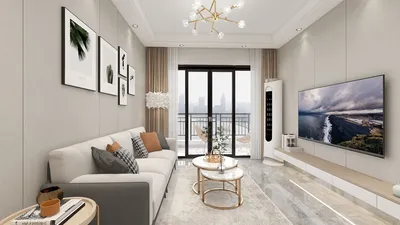


In one instance, I had a client who was adamant about painting her living room in the exact hue of her grandmother's teacup, which turned out to be a unique, warm beige that appeared pinkish under the evening light. I ended up repainting it in a more calming neutral shade that allowed us both to rest easier. Projects like these taught me that seemingly small details—such as undertones and finishes—can create significant impacts, and that compact spaces often inspire grand ideas. If you're in search of clear and practical advice, here are five neutral paint color inspirations that I frequently recommend, along with some beneficial tweaks and a quick room planning tip I offer to my clients while using Homestyler.
1. Warm Beige — the cozy, forgiving classic
Warm beige is inviting and effectively conceals minor wall imperfections, making it a fantastic choice for older homes. I suggest pairing it with white trim and natural wood accents, as it brightens the space without appearing harsh. Be mindful of undertones—some shades of beige may lean towards pink or yellow, so it’s wise to test samples at various times during the day.
save pin
2. Greige — modern and versatile
Greige combines the modern essence of gray with the warmth of beige, positioning it as my preferred choice when clients desire a contemporary yet cozy backdrop. This hue pairs beautifully with both cool metals and warm woods; however, for north-facing rooms, I occasionally warm it up a little to prevent a chilly atmosphere.
save pin
3. Soft Cool Gray — serene and refined
Soft cool grays can create a sense of spaciousness and serenity, making them ideal for open-plan living areas. I often recommend incorporating textured fabrics or a statement rug to prevent the space from feeling flat. To help clients visualize how light and shadows play within the room, I suggest creating a 3D rendering using tools like Homestyler—this can significantly reduce the need for repainting.
save pin
4. Crisp Off-White — bright yet inviting
Off-white with a subtle warmth keeps rooms luminous while avoiding the starkness associated with pure white. This shade is perfect for smaller living areas where reflectivity is needed but softness is desired. The only downside is that it may show scuffs more readily than darker neutrals, so opting for a durable eggshell finish is wise for walls in high-traffic areas.
save pin
5. Muted Sage or Greener Neutrals — fresh subtlety
Muted sage occupies the space between color and neutral, grounding a room while adding a fresh touch. It's a great match for rattan and leather elements, allowing plants to stand out beautifully. To develop cohesive color schemes, I sometimes utilize AI-driven tools for quick palette suggestions before finalizing paint — this accelerates the decision-making process, but I always advise double-checking samples under your specific lighting conditions.
save pin
FAQ
Q1: What qualifies as a neutral paint color for living rooms?
I consider neutrals to be tones that serve as a backdrop—such as whites, beiges, grays, greiges, and very muted greens. They offer versatility, allowing furniture and decor to shine as focal points.
Q2: How can I determine the right neutral undertone?
Apply large swatches on various walls and observe them in both morning and evening light. Warm undertones are flattering for south-facing rooms, while north-facing areas benefit more from cooler undertones.
Q3: Are neutrals a good choice for small living rooms?
Absolutely—light neutrals can give the illusion of spaciousness in compact areas, while slightly darker neutrals add depth and coziness. It's all about achieving balance with contrast in trim and texture.
Q4: What paint finish is most suitable for living rooms?
Eggshell or satin finishes typically work best, as they are easy to clean and reflect light gently. Reserve high-gloss finishes for trim or feature areas.
Q5: How many paint samples should I test?
I recommend testing at least three samples on different walls and assessing them at various times throughout the day. Colors that appear appealing under store lighting may look dramatically different at home.
Q6: Can neutrals seem too safe or dull?
While they may come across as safe, incorporating layered textures, accent pieces, and varied finishes can prevent them from feeling bland. Neutrals provide a timeless foundation that allows for style rotation without the need for repainting.
Q7: Do professionals advocate for specific brands or palettes?
Many designers rely on reputable brands for consistency; for example, Sherwin-Williams is known for its well-categorized color families and undertone guidance that professionals often reference when selecting neutrals.
Q8: How should I budget for a repaint?
The budget will vary depending on the size of the room, the amount of prep work needed, and the finish chosen. Don’t forget to consider primer for patchy walls and sample pots; hiring a pro for challenging ceilings or trim can save both time and money over the long haul.
Discover your dream home design with Homestyler! This user-friendly online platform offers an intuitive design tool, stunning 3D renderings, and a wealth of inspiring design projects and DIY video tutorials. Transform your space effortlessly and unleash your creativity today!
Design Now for FREE
































