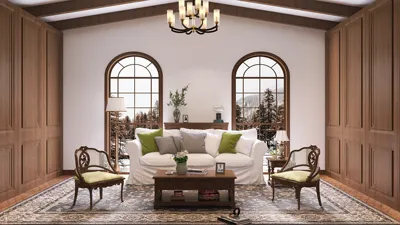


Throughout my ten years as an interior designer, I've noticed a significant shift in how neutral color schemes for living rooms are perceived. No longer just viewed as ‘safe’ options, these colors have evolved into powerful design statements. Currently, the design scene is inundated with earthy tones, warm beiges, and gentle greys, as highlighted in trend reports like those from Elle Decor, 2024. One of the remarkable aspects of small spaces is their ability to ignite creativity; by selecting the right color palette, you can dramatically alter the atmosphere of a room. In this article, I'll present 10 of my favorite color inspirations, merging my personal insights with professional data, along with some genuine project stories — including the impact of wood accents that infuse a warm vibe into even the tiniest apartments, complemented by tools like Homestyler for visualizing designs.
1. Warm Greige Comfort
My Experience: I previously transformed a 30 m² apartment using warm greige as the primary wall color. The effect was immediate — it softened the light and created a cohesive look throughout the space.
Advantages: This versatile shade pairs wonderfully with both cool and warm accents, making it an ideal choice for layering various textures and patterns. Designers, including Studio McGee, frequently use it to achieve a timeless yet contemporary aesthetic.
Disadvantages: In areas with low natural light, greige can skew too grey, which may come off as a bit cold unless balanced with warmer décor elements.
Suggestion: Combine it with oak shelves or woven materials to enhance visual warmth.
2. Soft Taupe Tranquility
My Experience: Taupe has served me well as a foundational color for clients seeking a rich yet understated backdrop, pairing beautifully with both minimalist and traditional furnishings.
Advantages: It offers a grounding effect, providing the perfect canvas for accent colors to thrive. This makes it ideal for creating layers without overwhelming the space.
Disadvantages: When overly utilized, taupe can become monotonous; it’s essential to introduce texture variation to keep it engaging.
3. Creamy White Elegance
My Experience: In a recent project, I applied creamy white to a townhouse living room, resulting in immediate transformation — the space felt larger, airier, and more peaceful.
Advantages: It’s perfect for reflecting natural light, making it a great choice for small living areas. Additionally, it serves as an ideal base for showcasing art or standout furniture pieces.
Disadvantages: Without careful layering of furniture and decor, it can come off as stark and uninviting.
Suggestion: Incorporate various shades of white through cushions, throws, and rugs to add depth and interest.
4. Stone Grey Modernity
My Experience: For a Scandinavian-inspired apartment, I opted for stone grey walls paired with bleached wood flooring — the visual impact was remarkable.
Advantages: This color beautifully complements metallic finishes like brass or black steel, imparting both modernity and sophistication to smaller living spaces.
Disadvantages: Excessive use of grey can create a moody atmosphere, particularly in smaller rooms unless softened by warm lighting.
Suggestion: Consider L-shaped layouts that maximize surface space and enhance a grey-centric theme in multifunctional living areas.
5. Mushroom Beige Sophistication
My Experience: In a loft project for a couple fond of vintage-modern fusion, introducing mushroom beige proved to be the perfect transitional color.
Advantages: This hue adds subtle depth and elegance, merging earthy browns with refined greys — excellent for pairing with textured materials.
Disadvantages: It can appear lackluster under harsh fluorescent lights; warm LED lighting is preferable.
6. Sandy Blush Warmth
My Experience: I painted an accent wall sandy blush in a cozy beachside small living area, instantly enhancing its warmth.
Advantages: This color infuses a welcoming ambiance without being overly feminine. It pairs well with natural materials like rattan for a cohesive look.
Disadvantages: It may clash with cooler furniture tones, necessitating a careful balance.
7. Charcoal Accent Drama
My Experience: A deep charcoal wall in a small living room can feel daunting — yet, if used wisely, it works wonders.
Advantages: It effectively creates a focal point, making lighter elements stand out. When balanced with suitable textures, it can lend a sophisticated feel to confined areas.
Disadvantages: Overusing it can make a room feel enclosed; it’s best utilized on a single wall or built-in unit.
8. Soft Sage Calmness
My Experience: After applying soft sage in a compact city apartment, my client remarked on a noticeable sense of calm in their living space.
Advantages: This muted green complements neutral furniture beautifully, reinforcing a connection to nature, in line with the Biophilic Design trend (Terra Green report, 2023).
Disadvantages: It can skew pastel under intense daylight; testing samples before commitment is advisable.
9. Oatmeal Texture Blend
My Experience: I have a fondness for oatmeal tones as they pair perfectly with soft fabrics and ceramics, creating a tactile and inviting living room.
Advantages: It’s adaptable for both modern and rustic interior styles, making it a safe yet stylish choice for rental homes.
Disadvantages: Without layered textures or striking accents, it may come across as overly neutral.
10. Driftwood Grey-Brown
My Experience: In a family’s open-plan living area, I used driftwood tones, resulting in a design that felt both timeless and durable against everyday use.
Advantages: This color balances grey and brown, fitting coastal, rustic, or industrial themes seamlessly. It pairs exceptionally well with glass backsplashes that make kitchens appear more spacious within open designs.
Disadvantages: In poorly lit rooms, it may look muddy; combining it with sharp white trims can enhance its appeal.
Summary
Living in small spaces doesn’t equate to limitations in design; rather, they encourage us to think smarter, more purposefully, and creatively with our color choices. Research such as the Sherwin-Williams 2024 Color Forecast illustrates that neutral shades are becoming richer and more emotional than ever. Which of these 10 neutral living room colors are you most excited to experiment with in your home? Also consider exploring options like Homestyler to visualize your choices.
FAQ
1. What constitutes neutral living room colors?
Neutral colors include shades such as white, beige, grey, taupe, and soft earth tones, creating a calm, versatile backdrop.
2. Are neutral living room colors dull?
Absolutely not — when integrated with various textures, patterns, and tones, they can present a rich and dynamic atmosphere (Houzz Color Trends 2023).
3. Which neutral color makes a small living room appear larger?
Both creamy white and light greige are fantastic options as they reflect light, contributing to a more expansive feel.
4. Is it possible to mix warm and cool neutrals?
Yes, creating a balance between warm and cool tones can add depth — for instance, combining warm beige with cooler grey furniture.
5. How do lighting influences affect neutral colors?
Natural light typically enhances warmer undertones, whereas artificial light can shift colors towards cooler or warmer shades.
6. What is the most sought-after neutral color for 2024?
Sherwin-Williams states that ‘Drift of Mist’ — a soft greige — is at the forefront of trends for contemporary homes.
7. Are neutral living rooms easy to refresh?
Yes, they offer a flexible foundation, allowing for easy updates to accessories or accents without the need for repainting.
8. Can a dark neutral be used in a small living room?
Certainly — incorporating a dark accent like charcoal on a feature wall can add drama without overwhelming the space. For ideas, consider exploring minimalist kitchen storage options that harmonize with dark tones.
Discover your home’s potential with Homestyler! This user-friendly online design platform offers a powerful design tool, stunning 3D renderings, a wealth of design projects, and engaging DIY video tutorials. Transform your ideas into reality effortlessly and inspire your next home makeover!
Design Now for FREE
































