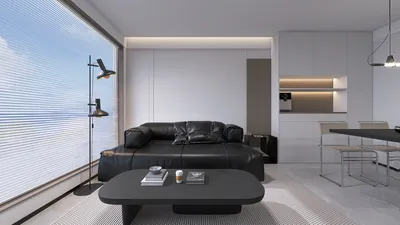


Unpleasant household smells can originate from various sources such as cooking, pets, damp fabrics, or insufficient air circulation. Instead of using synthetic sprays, which often introduce volatile organic compounds (VOCs) without addressing the root cause, I recommend opting for natural deodorizers combined with intelligent airflow and lighting solutions to maintain a truly fresh environment. Homestyler can assist in optimizing your space for both aesthetics and functionality.
Begin with Reducing Odors and Enhancing Ventilation
To effectively neutralize odors, start by eliminating their sources and improving airflow. Research from Steelcase indicates a direct link between enhanced air quality and better wellbeing and productivity in workplaces, a concept that seamlessly applies to home environments. The WELL Building Standard v2 emphasizes that adequate ventilation and filtration are vital in minimizing pollutants such as VOCs and particulates, showing that fresh air is always preferable to artificial fragrances. If you're redesigning a compact apartment, consider using an interior layout planner like Homestyler to establish pathways for cross-ventilation around windows and doors, ensuring that furniture doesn’t obstruct airflow.
Quick and Effective DIY Deodorizer Recipes
I rely on a selection of cost-effective, low-toxicity deodorizers that absorb odors instead of merely masking them; most can be prepared in under five minutes.
• Fill a small mason jar with baking soda and add 10-15 drops of your favorite essential oil for a subtle scent. Make holes in the lid or cover with breathable fabric. Refresh monthly and replace completely every 2-3 months.
• Ideal for closets, bathrooms, and areas near shoe storage.
• Utilize activated charcoal in fabric pouches. They are perfect for absorbing odors from smoke and pets. Reactivate these by placing them in the sun for 2-3 hours each month.
• Suitable for living areas and kitchens.
• Using white vinegar in a shallow bowl can help neutralize persistent food odors after cooking. Remove it once the smell dissipates; it’s crucial not to mix it with bleach.
• Simmer orange or lemon peels with cloves and a cinnamon stick for 20 minutes to create a bright, natural aroma after cleaning, although it may not eliminate strong odors.
• Spread used coffee grounds on a tray to absorb smells in pantries or near trash areas, and replace them weekly.
Light, Air Circulation, and Cleaning Schedule
Lighting plays a significant role in freshness perceptions. According to the Illuminating Engineering Society, appropriate lighting levels and glare reduction are recommended; bright and balanced lighting helps reveal dust and damp areas that might otherwise go unnoticed. For most living spaces, maintain moderate general lighting complemented by task lighting; mitigate glare in areas like trash stations to avoid visual clutter. Combine lighting with a consistent cleaning schedule: wash soft furnishings, mop near pet zones, and run exhaust fans in the bathroom for 10-20 minutes post-shower to control humidity, a primary cause of musty odors.
Color Psychology and Scent Moderation
The choice of colors can enhance the sensation of cleanliness. Cool tones—such as soft greens and light blues—often evoke a sense of cleanliness and spaciousness. According to findings by Verywell Mind, blue is associated with calmness and cleanliness. I also recommend limiting scents: using only one essential oil per mix and keeping it at a low concentration (≤ 2% dilution) helps to avoid olfactory fatigue and considers the sensitivities of guests. If you enjoy fragrances, consider changing them seasonally—using citrus scents in the summer and woodsy aromas in winter to avoid desensitization.
Choosing Non-Odor Trapping Materials
Certain materials can retain odors. Opt for tightly woven cotton for washable slipcovers and steer clear of heavy chenille in kitchens. For entryways, low-pile rugs with rubber backing facilitate easy maintenance. When it comes to bins and laundry hampers, choose ventilated designs over sealed plastic containers. In bathrooms and laundry areas, moisture-resistant paints and ceramic tiles help minimize musty buildup.
Ergonomic Considerations for Odor Control
Position deodorizers in places where you can easily access and maintain them. For instance, I place baking soda jars at eye level in closets for easy swapping; while charcoal sachets are kept in visible baskets. If they are out of sight, they are likely forgotten, resulting in returning odors. Use small labels with refresh dates to make routine maintenance hassle-free.
Acoustic and Behavioral Aspects
It may sound unusual, but acoustic comfort plays a role in how clean spaces feel. Environments with constant HVAC noise can seem stale, even if cleaned. Maintain comfortable noise levels and balance soft surfaces to absorb echoes; this way, you can spend more time tidying up without feeling the urge to escape the area. Behavioral cues are also beneficial—install hooks for gym gear, utilize trays for pet items, and maintain an accessible pathway for laundry to minimize odors before they spread.
Humidity Control, Plants, and Filtration
Keep a small dehumidifier in damp areas like basements or bathrooms to maintain relative humidity between 30-50%. Houseplants contribute to visual freshness, but remember to aerate the soil and avoid overwatering to prevent earthy smells. In situations where cooking odors or pet dander linger, consider complementing your DIY deodorizers with a HEPA air purifier and an activated carbon filter to effectively trap odor molecules. As Steelcase’s research has shown, cleaner air correlates with improved comfort, and the same applies to living spaces.
Room-by-Room Tips
• Kitchen: Use a vinegar bowl post-frying; place charcoal near the stove; remove compost daily; and sun-dry cutting boards to decrease lingering odors.
• Living Room: Position charcoal sachets under the sofa; store a baking soda jar behind books; and rotate textiles based on the season.
• Bathroom: Keep a baking soda jar on a shelf; run the exhaust fan after showers; and wash mats weekly.
• Bedroom: Use low-dose essential oil on felt pads within drawers; launder bedding regularly; and keep dirty laundry ventilated rather than sealed.
• Entryway: Place coffee grounds near the shoe tray; include a small open bin for quick airing of sneakers.
Layout Strategies for Improved Airflow
I often sketch simple airflow paths: ensuring fresh air enters while stale air exits. Keep tall shelves away from windows to prevent stagnant areas. Arrange soft seating so it doesn’t obstruct airflow. When configuring a studio or micro-apartment, you can test fan placements and door swings for optimal circulation using an interior layout planner like Homestyler.
Ensuring Safety and Sustainability
Natural ingredients do not always equate to safety. Essential oils can cause irritation; hence it’s important to use them in low doses and keep them out of reach of children and pets. Never combine vinegar with bleach, as this can produce harmful gases. From a sustainability standpoint, prioritize reusable containers, cotton sachets, and bulk refills of baking soda or charcoal to reduce packaging waste. Compost citrus peels after use for simmering.
Frequently Asked Questions
Q1: Do homemade deodorizers eliminate odors or merely mask them?
A: Baking soda and activated charcoal absorb and neutralize odors, while essential oils add fragrance without removing the source. For optimal results, combine them with proper ventilation.
Q2: How frequently should I refresh baking soda and charcoal?
A: Stir or refresh baking soda each month and change it every 2-3 months. Reactivating charcoal in sunlight should be done monthly for 2-3 hours; replace it after 3-6 months based on odor intensity.
Q3: Are essential oils safe for pets?
A: Keep essential oils highly diluted and away from areas where pets sleep or eat. Some oils can be irritating; consult a veterinarian for pet-specific advice and focus on odor absorption over fragrance.
Q4: What humidity levels help reduce musty odors?
A: Aiming for 30-50% relative humidity is ideal. Use exhaust fans after showers and employ small dehumidifiers in moist areas.
Q5: Does lighting impact the perception of freshness?
A: Yes, balanced and glare-free lighting allows for better visibility of dust and dampness, making spaces appear cleaner. Follow IES guidelines for appropriate illumination and glare reduction for comfort.
Q6: Which areas are most benefited by charcoal sachets?
A: Charcoal is most effective in living rooms, kitchens, and entryways where odors from cooking, shoes, and pets intermingle. This material excels at filtering out smoke and stubborn scents.
Q7: Is white vinegar safe for all surfaces?
A: Vinegar is suitable for glass, stainless steel, and numerous non-porous surfaces. Avoid using it on natural stone like marble or granite where acidity might cause etching, and never mix with bleach.
Q8: How do I arrange furniture to enhance airflow?
A: Keep large furniture pieces away from window paths and ensure clear pathways between openings. Arrange seating to avoid blocking air currents, and use an interior layout planner like Homestyler to visualize different setups.
Q9: Do houseplants assist with odor management?
A: While plants can enhance the atmosphere and contribute positively to wellbeing, they do not eliminate strong odors. Make sure to manage soil moisture to avoid unpleasant smells.
Q10: What’s a scent-sensitive approach to deodorizing?
A: Eschew oils in favor of natural odor absorbers like baking soda and charcoal, as well as vinegar bowls after cooking. Focus on cross-ventilation and integrate HEPA and carbon filtration systems for effective odor control without fragrance.
Looking to transform your space effortlessly? Homestyler offers an intuitive online design tool, stunning 3D renderings, and a wealth of DIY video tutorials. Whether you're a beginner or a seasoned designer, you can easily visualize and realize your dream home projects!
Progetta ora GRATIS
































